
How Long to Break In a New Sofa: The Ultimate Guide
You might be wondering: how long to break in a sofa? Generally, it takes about 3 to 4 weeks for a new sofa to break in. This is when cushions will soften and fabrics will feel more comfortable. Think of it as a gentle adjustment period for your new furniture.
The timeframe can vary based on sofa material and construction. Some sofas break in faster than others. We found that a sofa’s seat cushion type plays a big role. Understanding this helps set realistic expectations.
- Most sofas need 3-4 weeks to feel truly broken in.
- This period allows cushions to soften and fabric to relax.
- Seat cushion fill (foam, down, fiber) greatly impacts break-in time.
- Regular use speeds up the softening process significantly.
- Your new sofa will feel more comfortable with consistent daily use.
Let’s walk through exactly what happens during this break-in period and what you can do to help it along.
How Long Until Your Sofa Feels Just Right?
So, you’ve got a brand-new sofa. It looks amazing, but it feels a little stiff, doesn’t it? You’re probably wondering, “How long until this sofa feels broken in?” We found that most new sofas need about three to four weeks of regular use to reach their peak comfort level. This isn’t an exact science, but it’s a good general timeframe.
Think of it like a new pair of shoes. They feel great at first, but they get even better after you’ve worn them a bit. Your sofa is similar! During this break-in period, the cushions will soften, and the fabric will relax. It’s all about letting your sofa adapt to your living space and your lifestyle.
What Happens During the Break-In Process?
Several things happen to your sofa during these first few weeks. The stuffing inside the cushions starts to settle and compress. This means they’ll feel softer and more forgiving. The frame and springs also begin to adjust to the weight and pressure they’ll regularly experience.
The fabric itself will also undergo a transformation. New upholstery can feel a bit stiff or crinkly. With use, the fibers relax, making the material feel softer to the touch. You might notice fewer wrinkles or creases as the fabric settles into its shape. It’s a gradual change that leads to a much more inviting feel.
Cushion Fill Makes a Difference
The type of filling in your sofa cushions significantly impacts how quickly it breaks in. This is a key factor we often see. Each material has its own unique softening curve.
- Foam Cushions: These tend to be the firmest initially. They require consistent use to compress and soften. You might feel a noticeable difference after a week or two, but they’ll continue to improve for a month.
- Down or Feather Cushions: These are often softer from the start. However, they can sometimes lose their shape and require plumping. They break in by the down feathers settling and conforming.
- Fiberfill Cushions: Similar to foam, fiberfill will compress over time. They can feel a bit lumpy at first but smooth out with regular use.
- Hybrid Cushions: Sofas with a combination of foam and down or fiberfill will have a break-in period that balances the properties of each material.
The Role of Upholstery Material
Beyond the cushions, the fabric your sofa is upholstered in also plays a role. Different materials have different textures and break-in behaviors. We’ve observed this pattern across various sofa types.
- Leather: Leather sofas often feel stiff initially. They require consistent use to soften up and develop that desirable supple feel. It can take several weeks to months for a leather sofa to feel truly “broken in.”
- Woven Fabrics: Materials like cotton, linen, and synthetic blends will relax and soften with regular contact. They tend to break in relatively quickly.
- Performance Fabrics: These are designed for durability and stain resistance. They might feel a bit slick or stiff at first but will soften with use.
- Velvet: Velvet can feel a bit rigid when new. With wear, the pile will soften and develop a beautiful sheen.
Construction Matters Too
Even the way your sofa is built affects the break-in time. A well-constructed sofa might have tighter weaving or more robust internal support systems. These elements can contribute to a slightly longer initial stiff period before they start to yield.
We found that sofas with high-resiliency foam cores often take a bit longer to feel truly soft. This is because they are designed to maintain their shape and support for years. Their firmness is a feature, not a flaw, but it means you’ll need to give them some time to adjust.
How to Speed Up the Sofa Break-In Process
While time is the main ingredient, there are some things you can do to help your sofa feel comfortable faster. Think of these as gentle nudges to help the process along. Consistent, everyday use is key.
Use Your Sofa Regularly
This is the most important step. The best way to break in a sofa is to simply use it! Sit on it, lounge on it, and let it get accustomed to your presence. Daily use is far more effective than occasional sitting.
Try to distribute your weight evenly when you sit. Don’t always sit in the exact same spot. This helps all the cushions compress and soften uniformly. Even having family members or guests use the sofa will contribute to the process.
Rotate and Fluff Cushions
If your sofa has removable cushions, make it a habit to rotate and flip them regularly. Do this at least once a week. This ensures that all sides of the cushion get used. It also helps prevent uneven wear.
For down or feather-filled cushions, regular fluffing is essential. Give them a good shake and punch to redistribute the filling. This keeps them from becoming flat and helps maintain their loft while they break in.
Gentle Stretching and Movement
You can also try some gentle movements to help the materials relax. Carefully sit on the sofa, apply some weight, and shift your position. You can even gently knead the cushions with your hands, much like you might warm up dough.
Avoid any harsh movements or excessive force. The goal is to encourage the fibers and foam to yield naturally, not to damage the sofa. Think of it as a gentle massage for your furniture.
Consider a Sofa Break-In Checklist:
To make things easier, here’s a quick checklist:
- Daily Use: Sit on your sofa every day.
- Even Weight: Try not to always sit in the same spot.
- Flip & Rotate: Flip removable cushions weekly.
- Plump & Fluff: Gently fluff down or fiberfill cushions.
- Gentle Kneading: Lightly massage stiff cushion areas.
- Patience: Allow the natural break-in period to work.
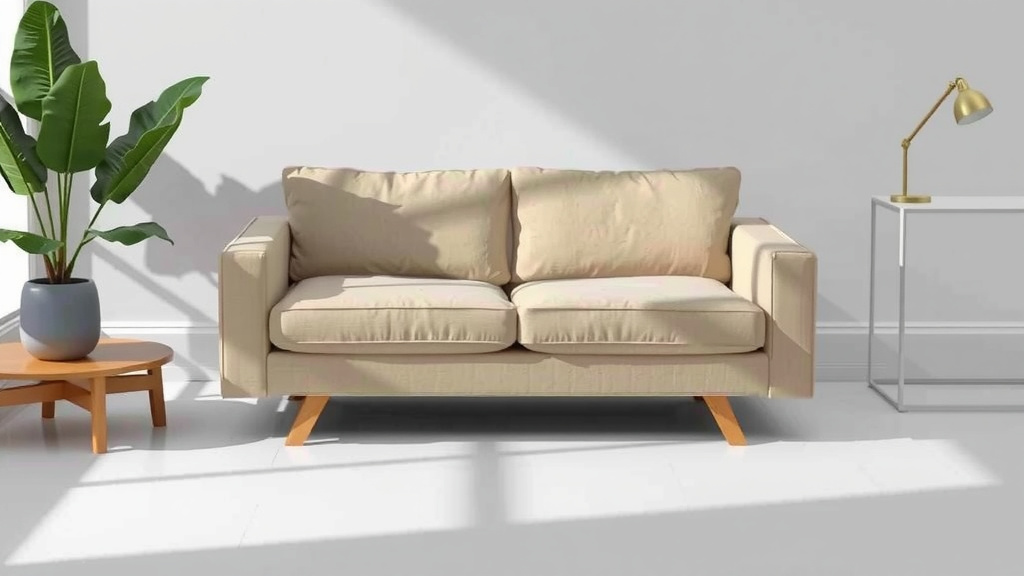
When is My Sofa Officially “Broken In”?
You’ll know your sofa is broken in when it feels noticeably more comfortable and conforming. The initial stiffness will be gone. Cushions will have a softer, more yielding feel without losing their support. The fabric will feel pleasant and relaxed against your skin.
It’s a subjective feeling, but most people agree that after about a month of consistent use, their sofa transforms. It goes from feeling new and stiff to feeling like a well-loved, cozy part of their home. This transition is what makes the break-in period so important.
Conclusion
So, how long to break in a sofa? We found that typically, your new sofa needs about three to four weeks of regular use to feel its best. This period allows cushions to soften and fabrics to relax, transforming stiffness into inviting comfort. Remember, factors like cushion fill and upholstery material play a role in this timeline.
The best way to help this process is consistent, daily use. Don’t be afraid to sit, lounge, and enjoy your new centerpiece. If your cushions are removable, give them a weekly flip and fluff. With a little patience and consistent attention, your sofa will soon feel like a well-loved part of your home, ready for years of relaxation.
Frequently Asked Questions
Will my sofa ever feel as soft as the showroom floor?
Generally, no. Sofas in showrooms are often displayed but not used daily. The “broken-in” feel you experience after a few weeks of home use is usually more comfortable and conforming than the initial showroom stiffness. Your sofa will adapt to your lifestyle.
What if my sofa still feels stiff after a month?
If your sofa remains uncomfortably firm after a month of regular use, it might be due to its construction or the type of high-density foam used for superior support. Consider gentle manual kneading on stiff areas or continuing consistent daily use; it may just take a bit longer.
Can I damage my sofa by breaking it in too quickly?
It’s unlikely you’ll cause damage with normal use. The key is gentle, consistent pressure. Avoid jumping on the sofa or applying excessive, sudden force. Normal sitting, lounging, and occasional shifting of weight are all perfectly fine.
Do I need to break in every part of the sofa equally?
Not necessarily. Your favorite sitting spots will naturally break in faster. Flipping and rotating cushions helps ensure more even wear and softening across all seating areas. This prevents one cushion from becoming significantly softer than others.
Is there a way to tell if my sofa is *over*-broken in?
A sofa is generally considered “over-broken in” when it loses its supportive structure. This means cushions might be excessively soft, sag deeply, or no longer offer adequate back or seat support. Most modern sofas are built for durability and are more likely to need replacement due to wear than to become *too* soft.



![10 Best Convertible Sectional Sofa [2026]](https://hometopaccesories.com/wp-content/uploads/2026/09/10-best-convertible-sectional-sofa-2026-featured-768x432.jpg)