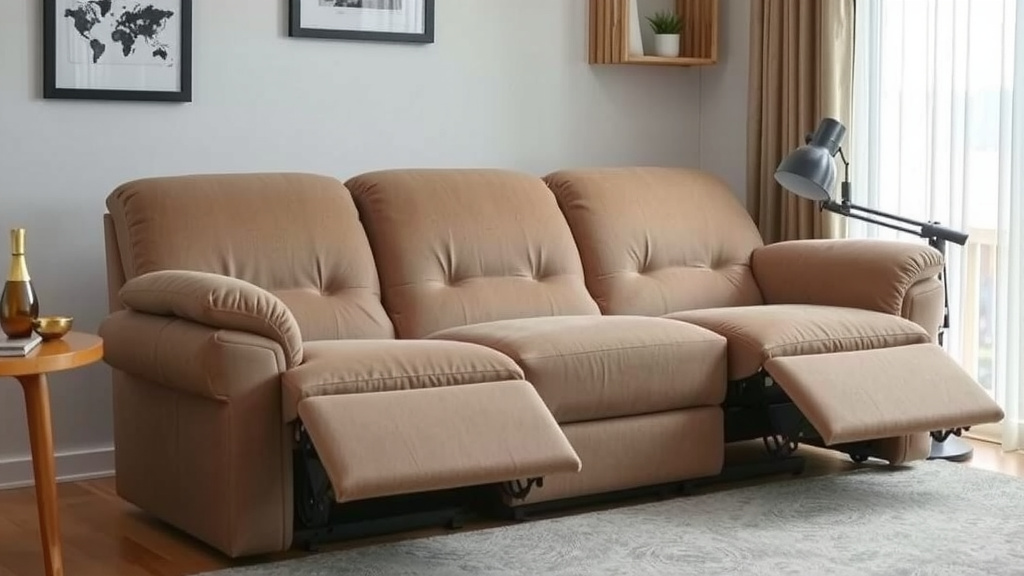
How to Break Down a Recliner Sofa: Step-by-Step Guide
The easiest way to break down a recliner sofa is to remove the backrests, take off the seat cushions, unbolt the reclining mechanisms, and carry it out in parts. Most recliner sofas come apart with just a screwdriver and a little patience. No special tools needed.
Why bother? Because a fully assembled recliner sofa rarely fits through a doorway, down a hallway, or into a moving truck. Breaking it down makes moving day or disposal day way easier, and it protects both your walls and your back. We researched tips from movers and furniture pros, and they all agree: taking it apart first saves you a lot of headache (and maybe a door frame or two).
Quick rundown:
- Unplug any power cords if your recliner is electric.
- Remove the backrests first — they usually clip or slide off.
- Take out the seat cushions and unbolt the metal mechanisms.
- Disconnect any wired or battery-powered parts carefully.
- Wrap the pieces and carry them out one at a time.
Below, we walk you through the whole process step by step, so you can get that sofa apart without breaking a sweat — or the sofa.
Taking Apart a Recliner Sofa Step by Step
Ready to get this thing apart? The whole job usually takes 30 to 60 minutes with one helper. Grab a screwdriver, a socket wrench, and some moving blankets, and let’s get started.
Step 1: Prep the Room and Unplug Everything
First things first: if your sofa has power recliners, unplug it. Check under the seat and behind the backrest for cords. Some models have a battery pack too, so look there as well.
Move the sofa away from the wall so you can walk around it. Clear a path to the door before you start. Trust us, you don’t want to discover a cluttered hallway while carrying a heavy recliner back.
Step 2: Remove the Backrests
This is the part that surprises people. Most recliner sofa backrests slide right off. They’re held on by metal brackets called lock bars, not bolts. Push the top of the backrest forward, then lift it straight up. It should pop free with a satisfying thunk.
Some models have clips you release with a flathead screwdriver. If the back won’t budge, don’t force it. Flip the sofa on its back and check for screws underneath.
Step 3: Take Off the Cushions and Arms
Once the backs are off, pull the seat cushions off. They usually just sit in place, so this takes ten seconds. Next, look for bolts holding the arms to the frame. Many are hidden under fabric flaps or Velcro panels near the base.
Here’s a quick guide to what comes off and how:
| Part | How It Detaches | Difficulty |
|---|---|---|
| Backrests | Slide up off lock brackets | Easy |
| Seat cushions | Just lift them out | Very easy |
| Arms | Unbolt at the frame | Moderate |
| Recliner mechanisms | Unbolt from base | Moderate |
| Power cords | Unplug or disconnect | Easy |
Step 4: Unbolt the Reclining Mechanisms
Now for the heavy metal part. Flip the sofa onto its back — with a helper, please. The recliner mechanisms are the scissor-like metal frames underneath. Use your socket wrench to remove the bolts connecting them to the base.
Keep the bolts in a labeled zip-top bag. Tape it to one of the pieces. Future-you will be very grateful when it’s reassembly time.
What If the Bolts Won’t Budge?
Old sofas collect dust and sometimes rust. Spray a little penetrating oil on stubborn bolts and wait ten minutes. Then try again with a steady pull, not a violent yank. If a bolt strips out, a bolt extractor kit from any hardware store costs under ten bucks.
How to Handle Powered Recliners Safely
Power recliners have wires running between the motor, the switch, and the transformer. Before you unplug anything, take a photo of the connections. Your phone camera is the best instruction manual you’ll ever have.
Most connectors are simple plugs with clips. Squeeze the clip, then pull. Never yank a wire by the cord itself. The Consumer Product Safety Commission warns that damaged power cords are a real fire and shock risk, so treat frayed or pinched wires seriously.
Battery Packs and Transformers
Some recliners use a rechargeable battery pack instead of a wall plug. Unclip it and set it aside in a safe, dry spot. If your sofa has a transformer box, unscrew it from the frame and bag it with its cord.
Moving the Pieces Without Wrecking Your Back
Even in pieces, a recliner sofa is heavy. The base alone can weigh 100 pounds or more. Movers we researched all say the same thing: lift with your legs, keep the load close to your body, and never twist while holding weight. The CDC notes that proper lifting technique is one of the best ways to prevent back injuries at home and work.
Wrap each piece in a moving blanket or old sheets. Tape it snugly. This protects your walls, your door frames, and the furniture itself.
Getting Pieces Through Tight Doorways
Measure your doorways and hallways before moving day. Sounds obvious, but so many people skip it. Measure the widest piece, too — usually the base without the arms. Our guide to measuring sofa width walks through getting accurate numbers before moving day.
Still stuck? Try angling the piece diagonally. Removing the door from its hinges is a classic trick and takes about five minutes with a screwdriver.
Your Quick Pre-Move Checklist
- Unplug all power cords and remove battery packs.
- Photograph wiring and bolt locations with your phone.
- Bag and label every screw, bolt, and bracket.
- Wrap each piece in blankets or sheets.
- Measure doorways, hallways, and the truck opening.
- Recruit at least one helper before lifting anything heavy.
What If Your Recliner Sofa Won’t Come Apart?
Some older or budget models have backrests that are bolted on instead of clipped. Flip the sofa and look along the bottom edge of the back panel. If you see bolts, remove them with your socket wrench and the back will lift free.
Still no luck? Many manufacturers post disassembly guides on their websites, and manuals often hide inside the base. If all else fails, a furniture repair pro or a moving crew can take it apart without damage. Sometimes paying a pro is cheaper than a new door frame — or a trip to the ER.
Conclusion
Breaking down a recliner sofa is one of those jobs that sounds way harder than it is. Unplug the power, pop off the backrests, remove the cushions, and unbolt the mechanisms. An hour later, you’ve got manageable pieces instead of a monster that won’t fit through the door. We researched advice from movers and furniture pros, and they all point to the same playbook: prep first, photograph the wiring, bag every bolt, and never lift alone. The trick is patience. Rushing leads to stripped bolts, torn fabric, and sore backs. Your next step? Grab a socket wrench and a friend, clear the path to the door, and start with the backrests. You’ve got this.
Frequently Asked Questions
Can one person break down a recliner sofa alone?
You can handle the backrests and cushions solo, but we don’t recommend going fully alone. The base and mechanisms are heavy and awkward. A second person makes flipping the sofa safer and keeps you from pinching fingers or straining your back.
Do I need special tools to take apart a recliner sofa?
Most of the time, no. A flathead screwdriver and a socket wrench cover nearly every model. If your sofa has stubborn bolts, a can of penetrating oil and a bolt extractor kit are cheap additions worth having on hand.
Will taking apart my recliner sofa void the warranty?
It can, depending on the manufacturer. Basic disassembly for moving is usually fine, but cutting fabric or removing rivets may cause problems. Check your owner’s manual or call the manufacturer before doing anything that isn’t a simple bolt removal.
How do I put my recliner sofa back together after moving?
Reverse the order you took it apart in, and use the photos and labeled bags you made during disassembly. Backrests usually slide back onto their brackets until they click. If anything feels off, most manufacturers post reassembly guides on their websites.
Can I sell or donate a broken-down recliner sofa?
Absolutely. Many charities accept furniture in parts if it’s clean and functional, and buyers on local marketplaces often pay less for pickup-ready pieces. Just be upfront that it’s disassembled, and keep all the hardware together so the next owner can reassemble it.