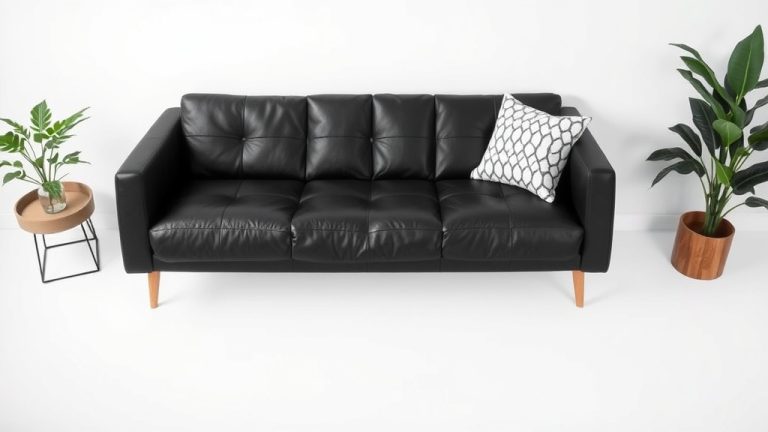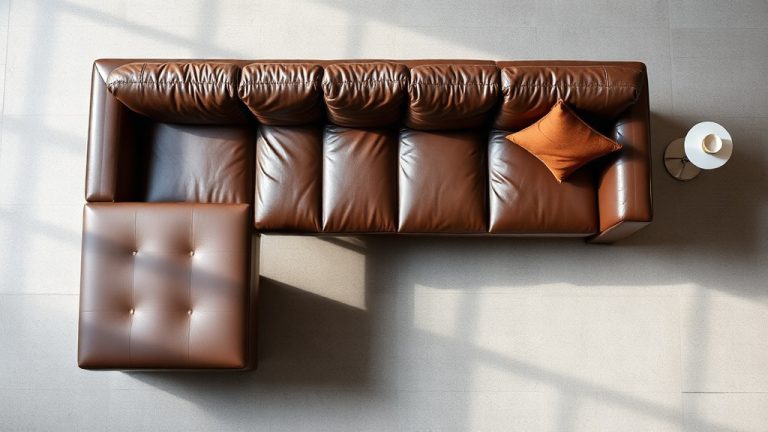
How to Build a Sofa from Scratch: Complete DIY Guide
Building your own sofa from scratch comes down to four main steps: build a sturdy frame, add springs or webbing, layer in cushioning, and upholster it with fabric of your choice. Most DIY sofas take a weekend or two and cost far less than store-bought ones. And yes, you really can do it, even if your last project was a wobbly bookshelf.
We researched dozens of DIY sofa builds and found that most first-timers succeed with simple plywood frames and basic tools. You don’t need a woodshop or years of experience. What you do need is a solid plan, the right materials list, and a little patience when things don’t line up perfectly the first time.
TL;DR — Quick takeaways:
- A basic DIY sofa frame uses plywood or 2x4s, joined with screws and wood glue.
- Expect to spend one to two weekends and roughly $200 to $500 in materials.
- Webbing or pocket springs keep your cushions from sagging over time.
- High-density foam wrapped in batting gives you that comfy, store-quality feel.
- Staple your fabric tight, and add piping or legs for a polished finish.
Below, we walk you through every step of building a sofa from scratch, from picking lumber to making that final fabric cut. Ready to build something you can actually sit on? Let’s get into it.
Building a Sofa From Scratch, Step by Step
Building a DIY sofa comes down to four big stages: the frame, the support system, the cushioning, and the upholstery. We found that tackling them in that order saves you headaches later. Skip a stage, and you’ll be redoing work. Here’s how each one goes.
Planning Your Build and Materials List
Before you cut a single board, decide on your sofa’s size and style. Measure your room, then measure again. We found that most beginner builds work best at 72 to 84 inches wide for a standard three-seater.
Your materials list doesn’t need to be fancy. Here’s what most first-time builders gather:
- 3/4-inch plywood for the frame panels and seat deck
- 2×4 lumber for legs, rails, and internal supports
- Wood screws (2.5-inch and 1.25-inch) and wood glue
- Elastic webbing or pocket springs for seat support
- High-density foam (at least 1.8 lbs/cubic foot density)
- Polyester batting and 6 to 8 yards of upholstery fabric
Many woodworking experts suggest sketching your design on paper with real measurements. That ten-minute sketch becomes your roadmap when you’re elbow-deep in sawdust.
Building the Sofa Frame
The frame is your sofa’s skeleton. Get it right, and everything else gets easier. Get it wrong, and your sofa will creak like an old staircase.
Cutting and Assembling the Base
Cut your plywood panels for the two side arms, the front and back rails, and the seat deck. Many builders use pocket-hole screws for clean, hidden joints. Add wood glue at every connection point; screws hold the pieces together, but glue is what stops that annoying squeak a year later.
Squareness matters here. Measure corner to corner, both ways. If the two diagonal measurements match, your frame is square. If not, nudge it until they do.
Adding Legs and Reinforcements
Attach your legs at the corners with heavy-duty leg plates or corner brackets. Pre-made sofa legs with metal hanger bolts are the easiest option, and we found they hold up well over time. Add a center support rail under the seat deck if your sofa is longer than 72 inches. That one extra board keeps the middle of your sofa from sagging when your uncle sits down.
Many DIY guides suggest testing your frame by sitting on it before moving forward. Better to find a weak joint now than after you’ve stapled fabric everywhere.
Adding the Support System
The support system is what keeps you from sitting on plywood, and honestly, plywood is not a good hugger. You have two main options:
| Support Type | Best For | Difficulty | Approx. Cost |
|---|---|---|---|
| Elastic webbing | Beginners, low-profile sofas | Easy | $20–$40 |
| Pocket springs | Firm feel, premium comfort | Moderate | $50–$90 |
Webbing is woven strips stretched side to side and front to back, stapled tight on both ends. Springs sit in a grid and give you that bounce you feel in nicer furniture. If this is your first build, start with webbing. It’s fast, forgiving, and surprisingly comfortable.
Cutting and Layering Your Cushions
Cushioning is where your sofa goes from “DIY project” to “place people fight over.” The recipe is simple: high-density foam wrapped in batting, then covered in fabric.
Choosing the Right Foam Density
Foam density is measured in pounds per cubic foot. Many furniture makers consider 2.0 to 2.5 lbs/cubic foot the sweet spot for seats that last. Lower density foam feels fine at first, then flattens like a pancake within a year or two. Our guide to how long sofa foam lasts explains why density is the biggest factor in cushion longevity.
Buy foam one inch larger than the seat opening in length and width. Foam compresses when you sit, and you want it to fill the space fully.
Wrapping Foam With Batting
Spray adhesive on the foam, then wrap it in a layer or two of polyester batting. Smooth it as you go, like wrapping a gift with stretchy paper. The batting softens the foam’s hard edges and gives cushions that plump, store-bought look.
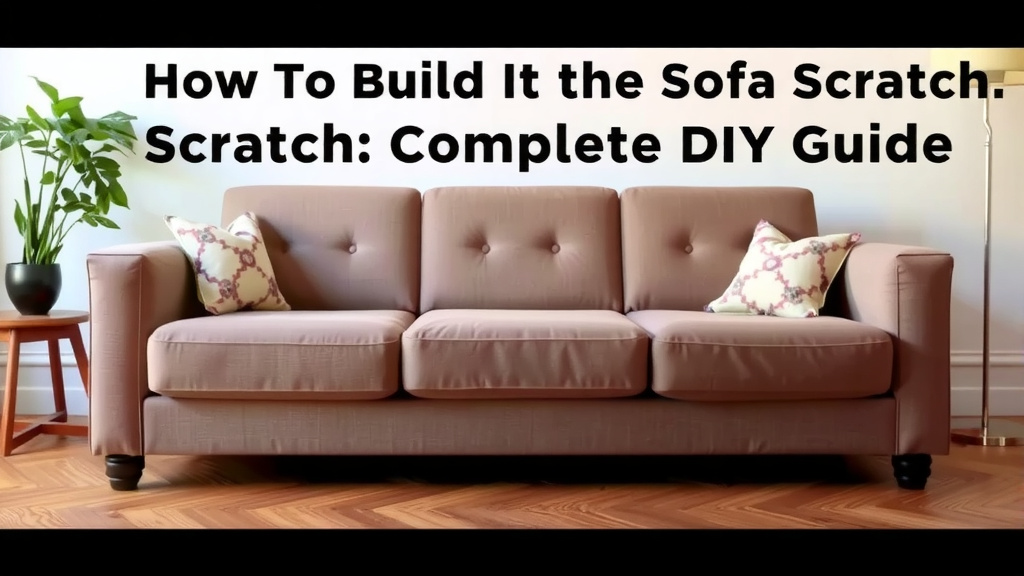
Upholstering the Frame and Cushions
Upholstery scares people more than it should. The secret, according to many upholstery pros: pull tight and staple often. Start stapling from the center of each panel outward to the corners, working opposite sides like you’d tighten lug nuts on a tire.
Corners are the tricky part. Fold them like you’re wrapping a present, pleating the extra fabric flat. Your first corner will look rough. Your fourth will look great. That’s just how it goes.
For the seat cushions, sew simple box covers or use a no-sew approach with fabric glue and staples underneath. Zipper closures let you wash covers later, and future-you will thank present-you for that.
Finishing Touches That Make It Look Professional
Small details separate a homemade sofa from a handmade one. Consider these upgrades:
- Piping along cushion seams for a crisp, tailored edge
- Tapered wooden legs instead of basic blocks for a mid-century look
- Contrast fabric on the base to hide wear and add character
- Non-slip padding between the seat deck and cushions
None of these take long. All of them make people ask, “Wait, you built this?”
Safety and Comfort Tips Before You Sit Down
Woodworking is safe when you slow down. Wear safety glasses when cutting, and always let power tools do the work instead of forcing them. Many safety guidelines from OSHA recommend keeping your workspace clear of cords and debris, and we found that a clean shop floor prevents more accidents than any fancy equipment.
Once your sofa is done, give it the real test. Sit down hard, lean back, and wiggle around. Check for wobbles, creaks, or shifting fabric. If it passes, grab a book and enjoy the best seat in the house — the one you built yourself.
Conclusion
Building your own sofa is one of those projects that looks intimidating until you start cutting boards. A solid frame, webbing or springs, foam wrapped in batting, and fabric stapled tight — that’s the whole recipe. We found that most first-time builders spend one to two weekends and a few hundred dollars, then end up with a sofa that fits their space better than anything at the store. Your first corner fold might look rough, and that’s fine. Every builder learns by doing. So grab your tape measure, sketch your design, and pick up that plywood this weekend. The best seat in your house is the one you haven’t built yet.
Frequently Asked Questions
What tools do I need to build a DIY sofa?
You can get by with a circular saw or table saw, a drill, a staple gun, a tape measure, and a square. A pocket-hole jig helps with clean joints but isn’t required for your first build. If you’re buying one tool, we found the staple gun earns its keep fastest.
How long does a homemade sofa last?
A well-built sofa with a plywood frame and high-density foam can easily last 10 to 15 years. The key is foam density and tight webbing, not fancy materials. If you use 2.0 density foam or higher and reinforce your joints with glue, yours should hold up just as well as store-bought furniture. Our guide to how long the average sofa lasts breaks down what drives that 7-to-15-year range.
Can I build a sofa without sewing anything?
Yes, absolutely. Many first-time builders use a no-sew approach with fabric glue, staple guns, and pre-made cushion covers. Box-style covers with zipper closures can be bought online and slipped over your batting-wrapped foam. You’ll get a clean look with zero stitching required.
What’s the best fabric for a beginner to upholster with?
Start with a medium-weight upholstery canvas or a durable polyester blend. These fabrics are forgiving, easy to pull tight, and won’t tear when you wrestle with corners. Avoid silk, velvet, or anything slippery for your first attempt — they show every staple and wrinkle.
How much weight can a DIY plywood sofa frame hold?
A properly built 3/4-inch plywood frame with reinforced corners and a center support rail handles two to three adults sitting at once, no problem. The weak points are usually unsupported spans and joints without glue. Sit-test your frame before upholstering, and add a center rail if you notice any flex.