How to Buy a Sleeper Sofa: A Complete Buyer’s Guide
Buying a sleeper sofa comes down to three things: measure your space, pick the right mattress type, and test the mechanism before you pay. Do those, and you’ll skip 90% of the regrets most buyers have.
Here’s the thing most people miss: a sleeper sofa isn’t just a couch with a bed stuffed inside. It’s two pieces of furniture in one, so it needs to be comfortable sitting AND sleeping. That means checking seat depth, mattress thickness, and how easily the bed folds out. We researched dozens of models and buyer reviews, and the pattern was clear — the people who measured first were the happy ones.
- Measure everything — the sofa, the opened bed, and your doorways.
- Choose your mattress type — innerspring, memory foam, or air-over-coil.
- Test the pull-out mechanism in person if you can.
- Set a realistic budget — decent sleepers usually start around $800.
- Match the size to your guests, not just your room.
Below, we walk you through each step in plain English, so you can pick a sleeper sofa your guests will actually thank you for. Ready? Let’s get started.
Buying a Sleeper Sofa Step by Step
Start with your measurements, then pick the mattress, then test the frame. That order saves you time and money. We found that buyers who flip the order almost always end up returning something heavy.
Step 1: Measure Your Space (All of It)
Grab a tape measure before you shop. Measure the wall where the sofa will sit, plus the space needed when the bed is fully pulled out. A queen sleeper needs about 84 inches of depth when open.
Don’t forget your doorways, hallways, and stairwells. Many delivery teams won’t remove a sofa that can’t fit through the door. We’ve read plenty of reviews from people who learned this the hard way — don’t be one of them.
Step 2: Know Your Sleeper Sizes
Sleeper sofas come in the same sizes as regular beds. Here’s a quick comparison so you can match the size to your guests and your room.
| Sofa Size | Bed Size | Sleeps | Best For |
|---|---|---|---|
| Chair sleeper | Twin | 1 adult | Small apartments, offices |
| Full sleeper | Full | 1–2 adults | Couples occasionally |
| Queen sleeper | Queen | 2 adults | Most guest situations |
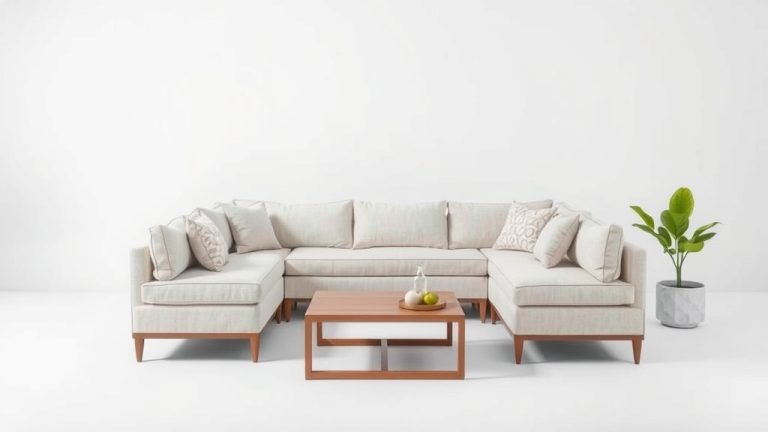
| Sectional sleeper | Queen or king | 2+ adults | Big rooms, frequent guests |
Step 3: Pick the Right Mattress Type
This is where comfort lives or dies. You have three main choices, and each feels different.
Innerspring
Coils inside the mattress give a classic, bouncy feel. They’re lighter and usually cheaper. The downside? Coils can press against your back over time.
Memory Foam
Foam spreads your weight evenly and hides the feel of the support bars underneath. Many experts say memory foam is the safest bet for guest comfort. It’s heavier, though, so check the mechanism is sturdy.
Air-Over-Coil
An air chamber sits on top of coils, so you can adjust firmness with a small pump. Guests can tune it to their liking. Expect to pay more for this setup.
Step 4: Test the Pull-Out Mechanism
If you can visit a showroom, open and close the bed yourself. It should glide smoothly with one hand. If it fights you in the store, imagine wrestling it after a long day.
Shopping online instead? Watch video reviews and read what owners say about the mechanism after a year. We found that stiff bars and flimsy latches are the most common complaints.
Step 5: Set Your Budget
Decent sleepers start around $800 and climb past $2,500 for premium models. Paying a little more usually buys a thicker mattress and a smoother frame. Cheap sleepers often sag within two years.
Step 6: Match the Sofa to Daily Life
Remember, you’ll sit on this thing every day. Check seat depth, cushion firmness, and fabric durability. A bed you use twice a year shouldn’t ruin your TV time the other 363 days.
Performance fabrics like microfiber or treated polyester resist stains and pet hair. Leather looks sharp but costs more and can stick to skin in summer.
What to Check Before You Pay
Run through this quick checklist at the store or before clicking “buy.” It takes five minutes and can save you a very expensive mistake.
- Measure doorways, hallways, and the open bed footprint.
- Sit on the sofa for at least 10 minutes.
- Open and close the sleeper mechanism twice.
- Check the mattress thickness — 4.5 inches or more is a good sign.
- Ask about the frame warranty (aim for 10+ years).
- Review the return policy and delivery fees.
Common Sleeper Sofa Mistakes to Avoid
The biggest mistake? Buying for the bed and ignoring the couch. You’ll live with the seating side far more often.
Another trap: skipping the weight limit. Most queen sleepers hold 500–600 pounds, but cheaper frames hold less. Overloading bends the bars and voids the warranty.
Finally, don’t ignore mattress upgrades. Many brands sell thicker memory foam toppers made to fit sleeper frames. For about $150–300, your guests go from “that was fine” to “can I stay again?” A good mattress matters for sleep quality — the CDC notes most adults need seven or more hours of quality rest, and an uncomfortable bed works against that.
Quick Buying Checklist
- ✅ Measured room, open bed, and entryways
- ✅ Chose mattress type (foam, coil, or air)
- ✅ Tested or researched the mechanism
- ✅ Confirmed weight limit and frame warranty
- ✅ Picked a stain-friendly fabric
- ✅ Budget set between $800 and $2,000
Conclusion
A sleeper sofa is a big purchase, but it doesn’t have to be a stressful one. We’ve found that the happiest buyers did three things: they measured every space their sofa would touch, they picked a mattress type that matched their guests’ comfort needs, and they tested the pull-out mechanism before spending a dime. Keep your seating comfort in mind too — you’ll use it far more than the bed. Set a budget between $800 and $2,000, check the warranty, and don’t skip the weight limit. Ready to shop? Grab your tape measure, write down your doorway widths, and take that checklist with you. Your future guests will thank you.
Frequently Asked Questions
Can a sleeper sofa be as comfortable as a regular bed?
Honestly, not quite — but a good one comes close. Memory foam and air-over-coil mattresses hide the feel of the support bars better than basic innerspring models. Adding a mattress topper narrows the gap even more for occasional guests.
How long should a sleeper sofa last?
A well-built sleeper sofa should last 7 to 10 years with normal use. We’ve found that frames with kiln-dried hardwood and a 10-year warranty tend to hold up best. Cheaper models often develop sagging cushions or sticky mechanisms within a few years.
Do sleeper sofas need special sheets or bedding?
Most sleeper mattresses use standard bed sizes, so regular sheets usually fit. The catch is mattress depth — some sleeper mattresses are thinner than standard ones, so sheets with deep pockets may fit loosely. Check your mattress thickness before buying bedding.
Is a sleeper sofa hard to open and close?
It shouldn’t be. A quality mechanism pulls out smoothly with one hand and requires no heavy lifting. If a floor model fights you in the showroom, trust your gut — it won’t get easier at home.
Can I move a sleeper sofa upstairs by myself?
We don’t recommend it. Queen sleepers often weigh 150 to 200 pounds because of the metal frame and mattress inside. Many retailers offer white-glove delivery for a fee, and it’s usually worth every penny.