How to Build a Pallet Sofa: Step-by-Step Guide for Beginners
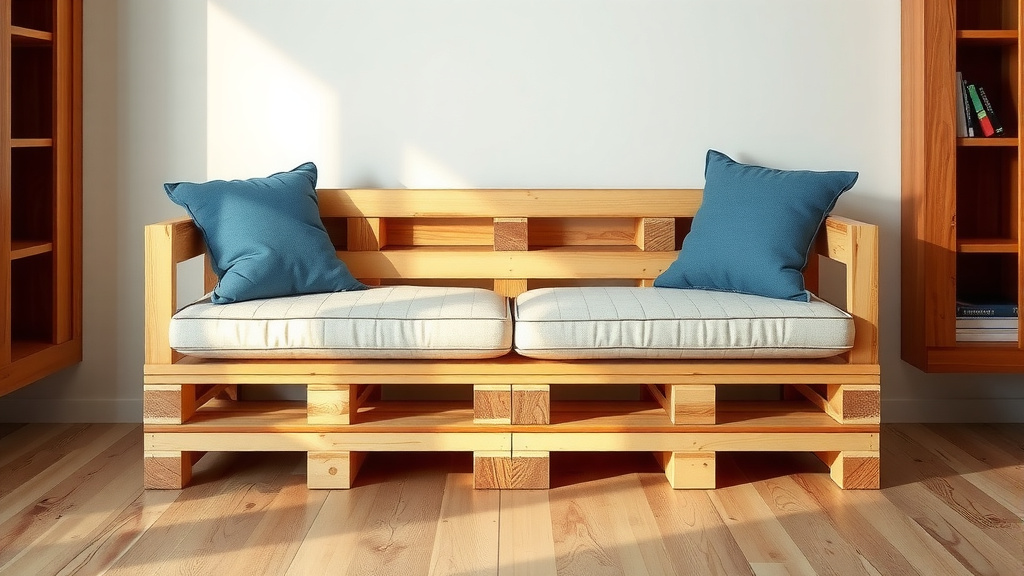
Building a pallet sofa is simple: stack and secure two or three wooden pallets for the base, add another pallet (or pallet halves) for the backrest, then screw everything together and top it with cushions. Most people finish the whole project in a single weekend for under $150.
Why build one instead of buying? Because pallet sofas are cheap, sturdy, and totally customizable. You can size them to fit your patio, paint them any color, and swap cushions whenever you want a new look. We researched popular DIY plans and found that pallet furniture is one of the easiest beginner projects out there — no fancy tools or woodworking skills required.
- Source free or cheap pallets and check them for safety stamps.
- Sand and clean the wood so you don’t get splinters.
- Stack pallets for the base and attach a backrest.
- Screw everything together securely, then add legs if you want height.
- Finish with paint, sealant, and comfy outdoor cushions. Loose pallet boards can make seat pads shift, so our guide to how to stop sofa cushions from sliding shares simple fixes.
Sounds doable, right? Below, we walk you through exactly how to build a pallet sofa, step by step — from picking the right pallets to styling the finished piece.
Building a Pallet Sofa Step by Step
The whole project comes down to five stages: gathering pallets, prepping the wood, building the base, attaching a backrest, and finishing up. Give yourself a weekend and you’ll be sitting on your creation by Sunday.
What You’ll Need Before You Start
Nothing here breaks the bank. Most of it is probably already rattling around in your garage.
- 2–3 standard wooden pallets (48″ x 40″ is the common size)
- 2″ and 3″ exterior-grade wood screws
- Electric drill or screwdriver
- Coarse sandpaper (80 grit) and fine sandpaper (120 grit)
- Saw (optional, if you want pallet halves)
- Outdoor cushions and a sealant or paint
How to Pick Safe Pallets
Not all pallets are created equal — some have been soaked in chemicals you don’t want on your skin, let alone your patio. Check the stamp on the wood before you drag anything home.
Reading the Pallet Stamp
Look for the letters HT, which means heat-treated, not chemically treated. The USDA requires heat-treated pallets used in international shipping to be treated without pesticides, which makes them the safest choice for furniture. Avoid pallets stamped MB (methyl bromide) or ones with no stamp at all. Skip any pallet that’s stained, oily, or smells strange. Trust your nose — it’s smarter than you think.
Step 1: Clean and Sand Everything
Wash your pallets with soapy water and let them dry fully in the sun. Then sand every surface, starting with coarse grit and finishing with fine. This is the boring part, but it’s the difference between a sofa and a splinter machine. Many experts recommend wearing a dust mask while sanding, since old pallet wood can carry dust and debris (CDC).
Step 2: Build the Base
Stack two pallets flat on top of each other. That gives you a seat height of about 6 inches — comfy once the cushions go on. Want a taller, lounge-style seat? Add a third pallet or screw on a set of 2×4 legs.
Screw the pallets together at the corners using 3-inch screws. Go from the top pallet down into the lower one. Four to six screws does the job. Give it a wiggle test. If it wobbles, add more screws.
Step 3: Attach the Backrest
Take one pallet and screw it vertically to the back of the base — or saw one in half if you want a lower backrest. Angle it back slightly, about 10 degrees, for a more relaxed feel. A couple of scrap 2x4s make perfect braces behind the backrest.
We found that most beginner plans skip the angle and just screw it straight up. That works too, but your back will thank you for the slight recline.
Step 4: Decide on Arms or No Arms
Armrests turn a basic bench into a proper sofa. They also give you a spot to rest a drink, which we consider a critical feature. The easiest option is cutting pallet halves and screwing them to the sides. No arms? That’s fine too — it keeps the build simple and the look modern.
Step 5: Paint, Seal, and Protect
Outdoor furniture takes a beating from sun and rain, so a finish isn’t optional if this sofa lives outside. The EPA notes that exterior paints and sealants are formulated to resist moisture and UV damage, unlike indoor products (EPA).
Best Finishing Options
- Exterior paint in any color you love — two thin coats beat one thick one
- Clear outdoor sealant if you want to show off the natural wood
- Wood stain plus sealant for a warm, natural finish
- Rust-resistant screws, so you don’t get orange streaks running down the paint
Let everything cure for 24 hours before adding cushions. Patience is hard. We know.
Pallet Sofa Sizes and Costs Compared
Here’s a quick comparison to help you plan before you start screwing things together.
| Design | Pallets Needed | Avg. Cost | Best For |
|---|---|---|---|
| Small loveseat | 2 | $50–80 | Small patios and balconies |
| Standard sofa | 3–4 | $80–120 | Most backyard setups |
| Sectional style | 5–6 | $120–150 | Large decks and entertaining |
Common Mistakes to Avoid
We found that most pallet furniture problems come from rushing the prep. Here’s your quick checklist before you call it done:
- Only use pallets stamped HT — never MB or unmarked ones
- Sand twice, once coarse and once fine
- Pre-drill screw holes to keep the wood from splitting
- Use exterior screws, not drywall screws, for anything outdoors
- Test stability by pushing on the backrest firmly
- Let paint or sealant cure fully before setting cushions
Styling Your Finished Sofa
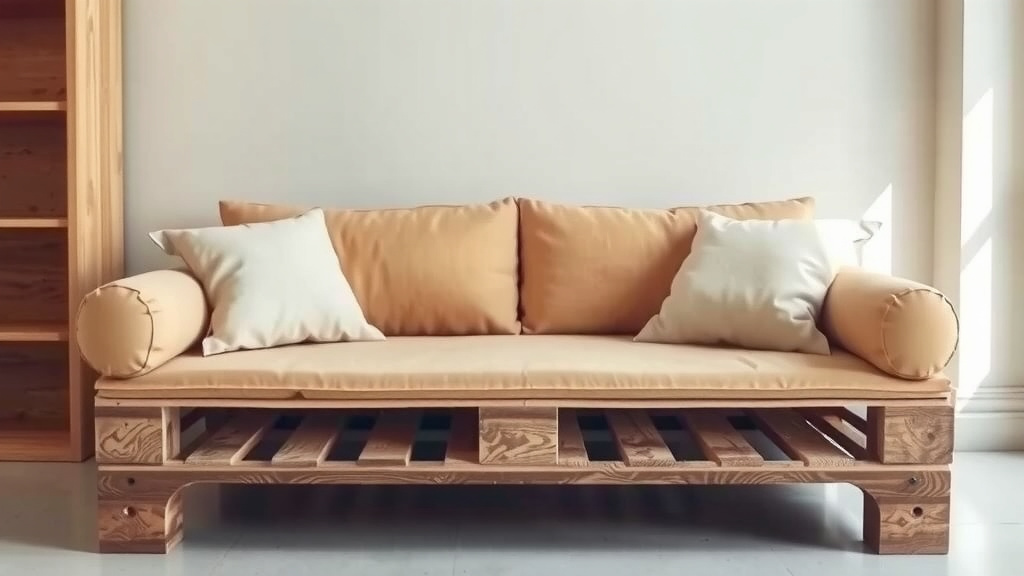
Now the fun part. Chunky outdoor cushions in a bold color instantly make the sofa look store-bought. Add a throw blanket, a tray table on one arm, and string lights overhead. Instant backyard lounge, no interior designer required.
Conclusion
And there you have it — a real sofa, built with your own two hands, for a fraction of what a store would charge. The formula is simple: safe HT-stamped pallets, a weekend of sanding and screwing, and a weatherproof finish that keeps everything looking sharp for years. We found the whole project stays forgiving for beginners, and mistakes are easy to fix with an extra screw or a second coat of paint. Add cushions you love, and you’ve got a backyard spot that’s genuinely yours. So grab two pallets this weekend, clear some garage space, and start with Step 1. Your first outdoor movie night is closer than you think.
Frequently Asked Questions
Can a pallet sofa stay outside in the rain?
Yes, but only if you protect it. Wood pallets will warp and rot if left bare, so seal or paint every surface, including the underside. For extra longevity, store cushions indoors during storms or use a weatherproof furniture cover.
How much weight can a pallet sofa hold?
A standard pallet is rated to hold roughly 2,500 pounds when the weight is spread evenly, so a two-pallet base handles several adults comfortably. The weak point is usually the backrest, not the seat. Use 3-inch screws at every connection point and do the wiggle test before guests arrive.
Where can I get free pallets near me?
Check behind hardware stores, garden centers, warehouses, and big-box retailers — many give them away rather than pay disposal fees. Always ask permission first; taking pallets without asking counts as theft in some areas. Avoid pallets from chemical plants, grocery stores with leaky shipments, or anywhere with spills.
Do I need to treat pallets for bugs or termites?
If you’re using heat-treated pallets and applying a quality sealant, you’re mostly covered. Store-bought pallet wood is kiln-dried, which kills most pests already. Keep the sofa slightly off the ground with legs or pavers, since ground contact invites moisture and termites.
Can I use indoor pallet furniture instead of outdoor?
Absolutely — pallet sofas look great in living rooms, dens, and dorms. Indoors, you can skip the exterior sealant and use regular paint or stain. Many people build an indoor version first to practice before committing to the patio build.