
How to Change L Shape Sofa Covers: Easy Step-by-Step Guide
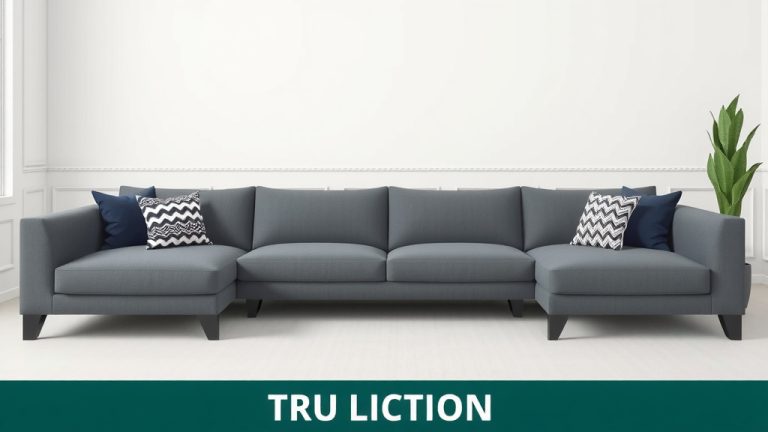
To change an L-shape sofa, start by removing the cushions and detachable parts, then disconnect the two sections if they’re modular. Most L-shape sofas come apart at the corner, so you can move them piece by piece instead of wrestling with one giant chunk of furniture. Easy, right?
Here’s the thing — L-shape sofas look intimidating because of their size, but they’re usually smarter than they appear. Many are modular designs that split into two or three sections. Some even have hidden clips or brackets holding the pieces together, and once you know where those are, rearranging your living room becomes a ten-minute job instead of a back-breaking nightmare.
- Measure first — know your doorways, hallways, and the sofa’s new spot before you lift anything.
- Remove cushions, legs, and pillows to make each section lighter.
- Check for connectors underneath the corner piece and detach the sections.
- Carry sections vertically or on their side to fit through tight doorways.
- Reassemble and level the pieces once they’re in the new position.
We researched what professional movers and furniture makers recommend, and we found that a little planning saves a lot of sweating (and swearing). Let’s walk through exactly how to change your L-shape sofa, step by step.
Rearranging Your L-Shape Sofa the Right Way
The fastest way to change an L-shape sofa is to break it into sections, plan your path, and move each piece one at a time. That’s the whole job in one sentence. Now let’s get into the details so nothing gets dinged up along the way.
Step 1: Measure Your Space and Your Sofa
Before you touch the sofa, grab a tape measure. Measure the width of your doorways, the hallway turns, and the spot where the sofa will land next. Then measure each sofa section. If the numbers don’t add up, you’ll want to know before you’re stuck mid-move.
Write the measurements down. Trust us, nobody remembers “78 inches” twenty minutes later. Professional movers measure everything twice, and we found that’s not because they love math. It’s because one bad measurement can cost you a scratched wall or a wedged sofa.
Check Your Doorways and Turns
Doors are the usual villain here. Measure the door frame opening, not just the door itself. Also check ceiling height on any stairs and the diagonal of tight corners. A sofa can often fit through a space sideways or tilted even when it can’t fit straight on.
- Measure doorway width and height.
- Measure hallway width and turning angles.
- Measure stair clearance if there are steps involved.
- Measure each sofa section’s length, depth, and height.
Step 2: Strip the Sofa Down
Take off everything that comes off. Cushions, throw pillows, blankets, and removable legs all go. Every pound you shave off makes the carry easier and the doorways more forgiving.
Most sofa legs unscrew by hand or with a simple wrench. Flip each section gently onto its back or side to reach them. Put all hardware in a zip-top bag and tape it somewhere you won’t forget, like under one of the cushions. Losing a leg bolt mid-project is a special kind of frustration.
Step 3: Detach the Sections
Here’s where the magic happens. Most L-shape sofas split at the corner connection. Slide the sofa away from the wall, lift the corner piece if needed, and look underneath. You’re hunting for brackets, hooks, bolts, or interlocking plates.
Common Connector Types You’ll Find
Different sofas use different hardware, and knowing what you’re looking at saves time. We found that most fall into one of these categories:
| Connector Type | How It Works | How to Release It |
|---|---|---|
| Alligator clips | Plate with teeth that interlock | Lift one section straight up |
| Bolt-and-bracket | Metal plate held by screws | Unscrew with a drill or wrench |
| Hook-and-loop pins | Pins drop into slots | Pull pins out, then separate |
| Velcro or snap straps | Fabric fasteners underneath | Simply pull apart |
Some sofas have no connectors at all and just butt up against each other. If that’s yours, you’re in luck. Just pull the pieces apart and move them separately.
Step 4: Move Each Section Safely
Now for the heavy lifting. The golden rule: lift with your legs, not your back. The CDC notes that back injuries are among the most common workplace injuries, and furniture moving is a classic cause. Bend at your knees, keep the load close, and don’t twist while holding weight.
Get a helper. Yes, even for a “small” section. Sofa pieces are awkward, heavy, and full of opinions about which way they want to fall. Two people moving in sync beat one hero every time.
How to Fit Sections Through Tight Spots
When a section won’t fit flat, try these angles. Movers use these tricks daily, and they work in most homes:
- Carry the section vertically, like a book sliding onto a shelf.
- Tilt it at a diagonal through narrow doorways.
- Remove the door from its hinges for an extra inch or two.
- Use furniture sliders on hard floors to reduce friction.
- Wrap pieces in blankets to protect walls and fabric.
Protect Your Floors and Walls
Furniture sliders cost a few dollars and save hundreds in floor repairs. For carpet, use hard plastic sliders. For wood or tile, use soft felt ones. Corner guards or old towels protect door frames when pieces squeeze past. A little padding now beats repainting later.
Step 5: Reassemble and Set Up the New Layout
Once both sections are in the new spot, reattach any connectors, screw the legs back on, and reconnect the corner. Then step back and check the level and alignment. Uneven floors can make an L-shape sofa rock or look crooked, so adjust the feet if yours are adjustable.
Before you lock everything down, sit on it. Seriously. Test the corner from both sides. If it wobbles or the seam looks uneven, fix it now while the pieces are still easy to nudge.
Pre-Move Checklist
Here’s a quick checklist we put together so you can skim it before starting:
- Measure all doorways, hallways, and the new sofa location.
- Remove cushions, pillows, blankets, and legs.
- Bag and label all hardware and connectors.
- Clear the moving path of rugs, cords, and clutter.
- Grab a helper and wear closed-toe shoes.
- Set out sliders and moving blankets before lifting.
When to Call Professional Movers
Sometimes DIY isn’t the smart move. If your sofa has welded frames, doesn’t separate at the corner, or needs to climb a narrow spiral staircase, hiring pros is worth it. Many moving companies charge by the hour, and a two-person team can often finish in under an hour.
Back injuries from heavy lifting can linger for months. The Mayo Clinic recommends avoiding heavy lifting alone and using proper form whenever you must lift something big. If any part of this job feels beyond your comfort zone, there’s no shame in calling for backup. Your sofa will thank you, and so will your spine.
Conclusion
Changing an L-shape sofa comes down to three things: measure everything, break it into sections, and never lift alone. We researched what professional movers actually do, and their playbook is simple. Strip the sofa down, find the connectors at the corner, and move each piece through your space at the right angle.
The job might sound big, but it usually takes less than an hour once you start. And if your sofa won’t split or your stairway is impossible, calling a two-person moving crew is a smart move, not a defeat.
Your next step? Grab that tape measure and check your doorways today. Once you have your numbers, the rest of the job practically plans itself.
Frequently Asked Questions
Can I rearrange an L-shaped sofa into a different configuration?
Often, yes. If your sofa is modular, you can flip the chaise to the opposite side or separate the pieces into a straight couch and a standalone loveseat. Check underneath the corner for connectors first. If the sections bolt together with fixed brackets, your options may be limited to flipping the layout as-is.
Will moving my L-shape sofa void the warranty?
Usually not. Disassembling and reassembling a modular sofa for normal use is expected by most manufacturers. But keep your hardware, avoid forcing connectors, and check your warranty paperwork if your model uses glued or welded joints. When in doubt, a quick call to the manufacturer can save you a headache later.
How do I know if my L-shape sofa is modular?
Look underneath the corner section for clips, brackets, pins, or velcro straps. If you see any of these, your sofa separates. You can also check your owner’s manual or the manufacturer’s website. As a rule, most modern sectionals are modular, while some budget models are built as one fixed frame.
What tools do I need to disassemble an L-shape sofa?
For most sofas, you’ll only need a wrench or screwdriver, plus a drill if there are bolt-and-bracket connectors. Add a tape measure, furniture sliders, and moving blankets to the list. Zip-top bags for hardware round out your kit. Everything fits in one small toolbox.
Can one person move an L-shape sofa alone?
You can safely handle small sections by yourself using sliders, especially on hard floors. But we recommend a helper for anything over roughly 60 pounds or any move involving stairs. Solo lifting is where most backs get hurt. If no one’s available, professional movers are cheaper than a doctor’s visit.