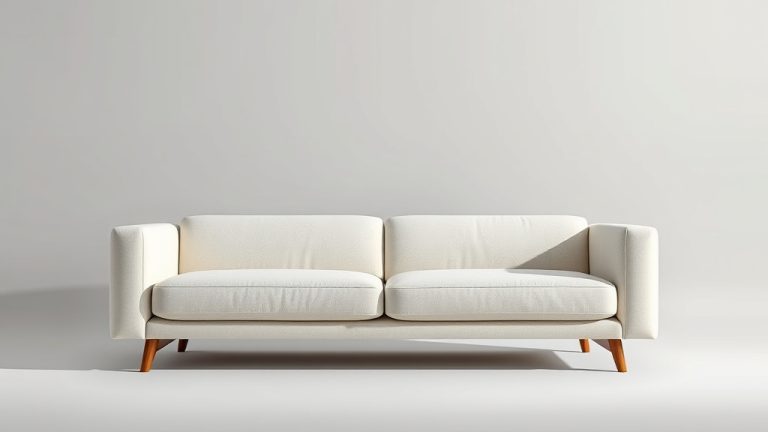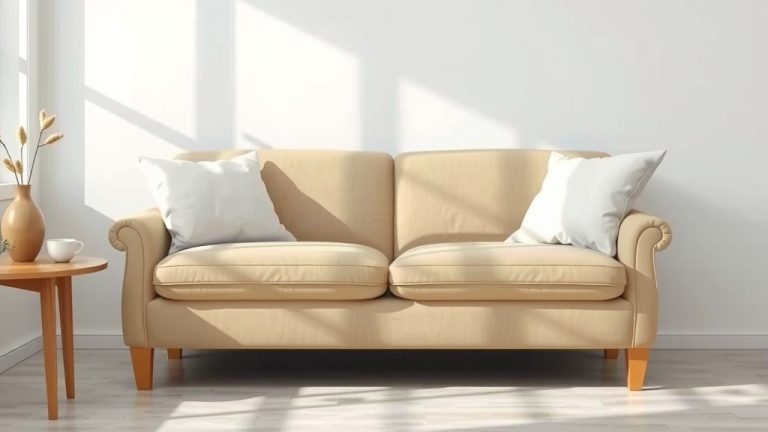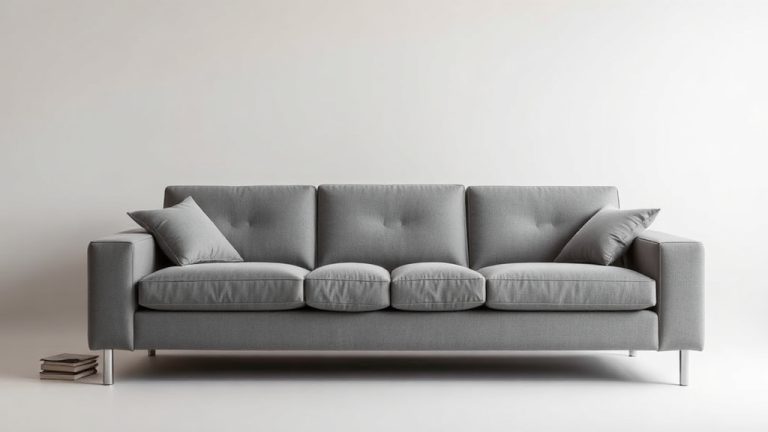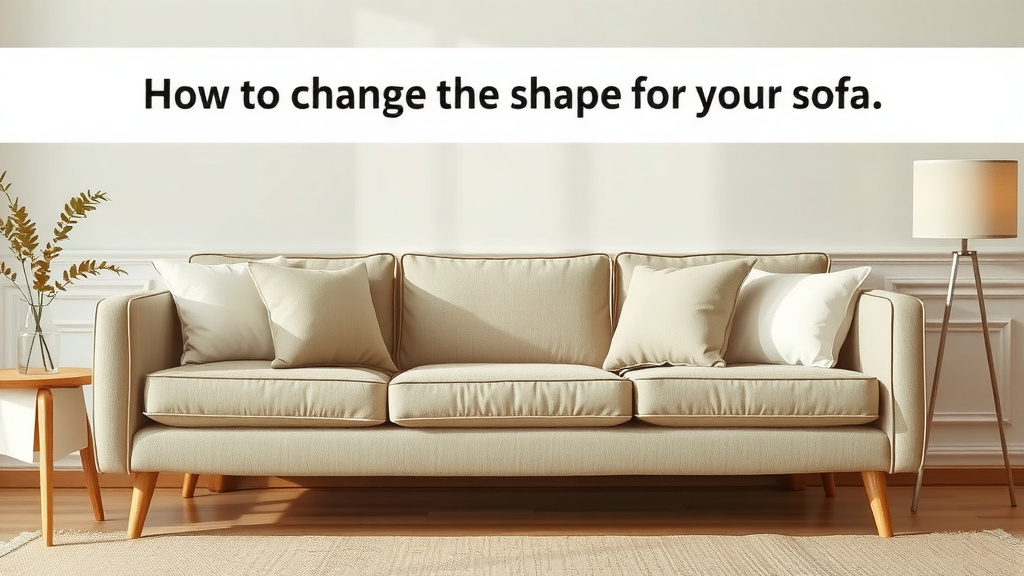
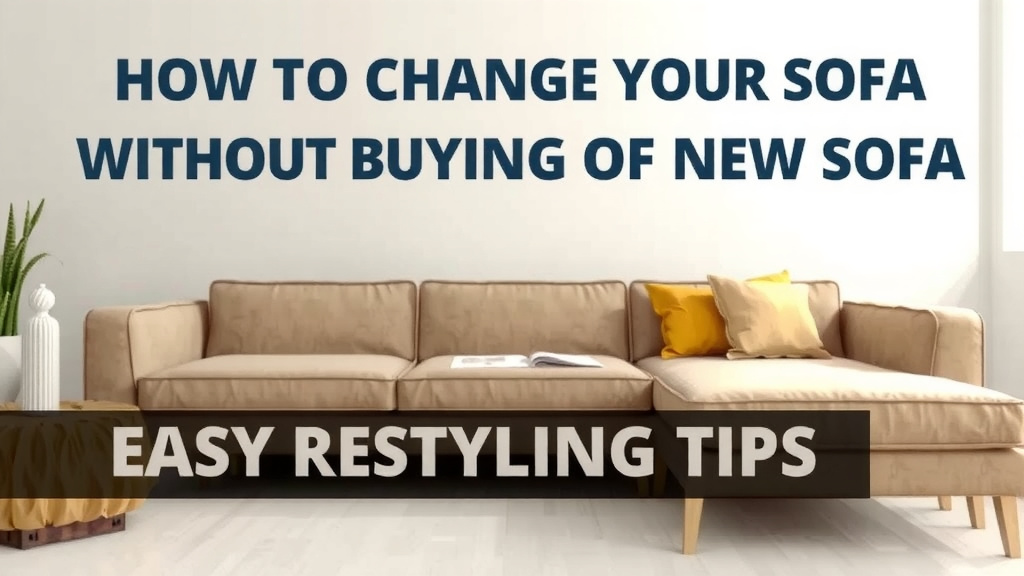
How to Change the Shape of Your Sofa: Easy Restyling Tips
The easiest way to change the shape of your sofa is to rearrange its internal cushions, add supportive inserts like foam wedges or bolsters, and adjust the legs or frame padding. These simple fixes can turn a sagging couch into a fresh, modern look without buying anything new. In fact, many people transform their sofa in a single afternoon.
Maybe your L-shaped sectional feels too big, or your square couch looks outdated. We researched the most popular methods and found that you can reshape a sofa by swapping cushion fills, reupholstering key sections, or even converting it into a different style altogether. Some options cost almost nothing. Others, like professional reupholstery, take more time and money but deliver a full transformation.
Here’s the quick version:
- Reshape saggy cushions by adding foam inserts, batting, or new fill.
- Change a sofa’s overall look with slipcovers, throws, and reshaped back pillows. Our explainer on how sofa covers work shows why they transform a couch so well.
- Convert a sectional by detaching pieces or repositioning the chaise.
- Adjust the frame or legs to raise, lower, or restyle your sofa’s silhouette.
- Know when a DIY fix works and when it’s time to call a professional.
Below, we walk through each method step by step, so you can pick the one that fits your budget, your skills, and the sofa you already have. Ready to give your couch a makeover? Let’s dig in.
Reshaping Your Sofa Without Buying a New One
You can change the shape of your sofa by working from the inside out. Start with the cushions, because they control most of what you see and feel. We found that cushion fixes give the biggest visual change for the least money.
Think of your sofa like a face. The frame is the bone structure, but the cushions are the cheeks. Plump those up, and everything looks younger.
Fixing Saggy Cushions with New Fill
Sagging is the number one reason a sofa loses its shape. We found that most sag comes from compressed foam or flattened fiberfill inside the cushions. The fix is simple: open the cushion cover, remove the old fill, and add fresh material.
Many sofa covers have a zipper. If yours does not, you can open a seam with a seam ripper and sew it back by hand. It takes about twenty minutes per cushion.
Choosing the Right Foam Density
Not all foam is equal. High-density foam holds its shape longer, while low-density foam feels soft but flattens fast. We found that a 1.8 to 2.5 density rating works well for everyday seating.
Buy foam slightly larger than the cushion cover, then trim it with an electric carving knife. Yes, the one from your kitchen drawer. Just clean it before Thanksgiving.
Wrapping Cushions in Batting
Batting is the fluffy wrap that goes around the foam. It softens hard edges and gives cushions that rounded, pillow-like look. Many experts say a layer of polyester batting is the easiest way to soften sharp corners (Mayo Clinic also notes that supportive seating helps reduce back strain, so firmer is often better).
Wrap the foam like a gift. Pin the batting, tuck the corners, and slide the whole thing back into the cover.
Using Inserts and Bolsters to Redefine the Shape
If you want a different silhouette, not just a firmer one, inserts are your friend. A foam wedge placed under the back cushions can tilt your seat back for a more relaxed, slouchy vibe. Removing it creates a more upright, formal look.
Bolsters work well too. Swap square back pillows for round bolsters, and suddenly your boxy couch reads as mid-century modern. It is the same trick hair stylists use: change the volume, change the whole vibe.
Changing the Overall Look of Your Couch
Sometimes the shape is fine. The style is the problem. That is where slipcovers and textiles come in.
Slipcovers, Throws, and Back Pillows
A fitted slipcover can hide bulky arms and squared-off cushions. Stretch slipcovers hug your sofa’s existing shape, while tailored slipcovers can make a soft sofa look crisp and structured. We found that measuring your sofa before ordering saves a lot of returns and curse words.
Throws and pillows are the fast lane. Drape a throw diagonally across one side to soften a rigid rectangle. Cluster three pillows in different sizes at one end to break up the symmetry. Symmetry is nice, but a little chaos reads as cozy.
Rearranging a Sectional
Got an L-shaped sectional that eats your living room? Most sectionals detach at the connectors underneath. Check for metal clips or brackets, lift the pieces apart, and rebuild it in a new arrangement.
Try these quick wins:
- Flip the chaise to the opposite end to change the room’s traffic flow.
- Split a large sectional into two separate sofas.
- Push the chaise against a wall to create a daybed-style lounge.
- Angle one piece at 45 degrees to soften a boxy corner.
Every move is reversible. Experiment freely, because nothing is glued down. Well, almost nothing.
Adjusting Legs and Frame for a New Silhouette
The legs do more than you think. Short blocky legs make a sofa look squat and traditional. Taller, tapered legs make the same sofa look lighter and more modern.
Raising or Lowering the Sofa Height
Screw-on replacement legs come in every style and height, and most attach with standard bolts. Raising your sofa even two inches can make a small room feel more open. Just keep seat height comfortable; experts note that seats around 17 to 19 inches high are easiest on your knees and back (Cleveland Clinic).
Adding a thin plywood board under sagging seat cushions can also firm up a tired frame. Slide it in, cut to size, and cover the edges with tape so nothing snags.
Adding Frame Padding for Softer Lines
Boxy arms making your sofa look stiff? Wrap the arms in foam padding and batting, then re-cover with fabric. You get rounded, cloud-like arms for a fraction of a new sofa’s cost. This is a step up in difficulty, but still a weekend project.
DIY or Call a Pro?
Honest answer: it depends on the job. We put together a quick comparison so you can decide without guessing.
| Method | Cost | Time | Skill Needed |
|---|---|---|---|
| Foam inserts and batting | $30 to $100 | 1 to 2 hours | Beginner |
| Slipcover swap | $50 to $200 | Under 1 hour | Beginner |
| New legs or frame pads | $20 to $80 | 1 to 3 hours | Beginner to intermediate |
| Arm re-padding | $50 to $150 | 4 to 8 hours | Intermediate |
| Full reupholstery | $500 to $2,000+ | 1 to 3 weeks | Professional |
When DIY Works
DIY shines when the frame is solid and the problem is soft stuff: fill, fabric, or pillows. If your sofa does not wobble, creak, or lean, you can handle the rest yourself. Use this checklist before you start:
- Zipper or accessible seam on every cushion cover
- Solid frame with no wobble or broken joints
- Foam cut slightly larger than the cushion cover
- Batting and a staple gun or needle and thread on hand
- Measurements of your sofa written down before ordering anything
- A free afternoon and zero pets “helping”
When to Hire a Professional
Call an upholsterer if the frame is cracked, springs are broken, or the fabric is attached with no way in. Also consider a pro for antiques; stripping old fabric can reveal horsehair filling, and some older padding may contain materials you should not handle yourself. Many experts recommend professional reupholstery for structural repairs, since a rebuilt frame can add years of life (CPSC also warns against using loose foam near open flames, so keep space heaters at a distance).
One last tip from our research: photograph your sofa before you start. When the cushions come out and the arms are off, that photo becomes your map back to sanity.
Conclusion
You don’t need a new sofa to get a new look. We found that the biggest changes start small: fresh foam in saggy cushions, batting for softer corners, a swap of bolsters, or taller legs to lift the whole silhouette. Slipcovers and rearranged sectionals handle the rest. Save the professional reupholstery for cracked frames and broken springs, and handle the soft stuff yourself. Your budget, your timeline, your rules. So here’s your next step: grab a tape measure, take a photo of your sofa, and pick one fix from this list to try this weekend. One afternoon is all it takes.
Frequently Asked Questions
Can I make my square sofa look curved or rounded?
Yes, and it’s easier than it sounds. Wrap the arms in foam padding and batting to soften those hard edges, then swap square back pillows for round bolsters. A draped throw across one corner also breaks up the boxy lines. We found these three moves together create the biggest visual shift.
Will new foam inserts actually fix my sagging cushions?
In most cases, yes. Sagging usually comes from compressed foam, not a broken frame. If your sofa doesn’t wobble or creak, fresh high-density foam wrapped in batting will restore the shape. If the springs or frame are damaged, though, no amount of new fill will fix the underlying problem. Not sure if replacement is worth it? Our guide to how long sofa cushions last covers the warning signs.
How much does it cost to change the shape of a sofa?
It depends on the method. Foam inserts and batting run $30 to $100, while a slipcover swap costs $50 to $200. Adding new legs is one of the cheapest fixes at $20 to $80. Full reupholstery is the splurge at $500 to $2,000 or more.
Can I convert my sectional into a regular sofa?
Most of the time, yes. Flip the cushions or look underneath for the metal connectors holding the pieces together. Detach the chaise and use it as a separate lounge seat, then arrange the remaining pieces as a standard sofa. Every move is reversible, so experiment until the layout feels right.
Is it safe to cut foam for cushions at home?
It’s safe with a few precautions. Use an electric carving knife on a hard, flat surface, and keep loose foam away from open flames or space heaters. Measure your cushion cover first and cut the foam slightly larger, since trimming down is easy but stretching foam that’s too small is not.