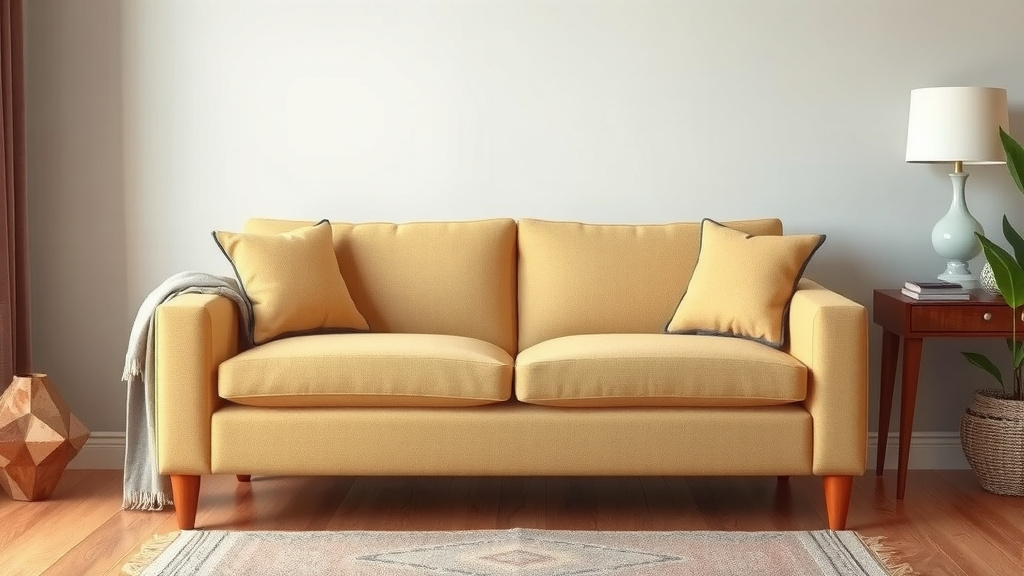
How to Change Sofa Upholstery: A Step-by-Step Guide
The easiest way to change sofa upholstery is to remove the old fabric, use it as a template to cut your new fabric, then reattach it with a staple gun. With basic tools and a free weekend, you can give a tired couch a fresh new look for a fraction of the cost of buying new. Yes, it takes patience—but it’s very doable.
Maybe your sofa still feels comfortable but the fabric has seen better days. Or maybe you just picked up a solid secondhand frame that deserves a second life. We researched reupholstering guides and expert tips, and we found that reupholstering typically costs far less than replacing a quality sofa. Plus, you get to pick exactly the fabric you want.
- Check that your sofa frame is sturdy before starting.
- Gather tools: staple remover, staple gun, fabric scissors, and new upholstery fabric.
- Remove the old fabric carefully so you can use it as a pattern.
- Cut and attach the new fabric, working one section at a time.
- Take photos as you go so reassembly stays simple.
Below, we break down everything you need to know about changing your sofa upholstery, step by step. Grab a coffee—your couch is about to get a glow-up.
Reupholstering Your Sofa: A Step-by-Step Guide
Reupholstering a sofa means stripping off the old fabric and stapling fresh fabric onto the same frame. We found that most first-timers finish a basic sofa over a weekend. The key is patience and working one section at a time.
Before you grab a screwdriver, know this: some sofas are easier than others. A simple, boxy couch is a beginner’s dream. A fancy curved sofa with tufting? That’s an advanced project.
Is Your Sofa Worth Reupholstering?
Not every couch deserves a second chance. Check the frame first. Sit on it, rock it, and press the arms. If it wobbles or creaks like an old wooden ship, you may be better off buying new.
Many furniture pros suggest this simple rule: if the frame and springs are solid, reupholstering is worth it. If the bones are broken, it rarely is.
Signs Your Sofa Is a Good Candidate
- The frame feels sturdy with no wobble or cracked wood.
- The springs bounce back instead of sagging.
- It was expensive or high quality when new.
- You love the size, shape, and comfort.
- The damage is mostly cosmetic—stains, tears, faded fabric.
When to Walk Away
Sometimes the math just doesn’t work. If fabric alone will cost you more than a decent new couch, step back. We found that budget sofas often use particleboard frames that fall apart within a few years. Reupholstering those is like painting a car with a rusted engine.
Tools and Materials You’ll Need
Most of these items live at your local hardware store. You might even have some in a junk drawer already.
- Staple gun with plenty of staples (a heavy-duty one works best)
- Flathead screwdriver or staple remover
- Fabric scissors—sharp ones, not the kitchen pair
- Fabric marker or chalk
- Measuring tape
- Pliers (for stubborn old staples)
- Sewing machine (only if your sofa has cushion covers)
One tip we found repeated across pro guides: buy more fabric than you think you need. Extra fabric is cheap regret insurance.
How Much Fabric Do You Need?
A standard sofa typically needs 12 to 14 yards of fabric. Add more for patterned fabric, since you’ll need to match stripes or prints. A simple armchair usually takes 5 to 7 yards.
| Project | Approx. Fabric Needed | Difficulty |
|---|---|---|
| Ottoman | 2–3 yards | Beginner |
| Dining chair seat | 0.5–1 yard | Beginner |
| Armchair | 5–7 yards | Intermediate |
| Sofa | 12–14 yards | Intermediate–Advanced |
| Sectional | 20+ yards | Advanced |
Choosing the Right Upholstery Fabric
Fabric choice makes or breaks your project—literally, if you pick something too delicate. Look for fabric labeled for upholstery use, not drapery. Drapery fabric looks pretty but wears out fast under daily sitting.
Want something that survives kids, pets, and spilled popcorn? Many experts recommend tightly woven fabrics with a high rub count. Think canvas, twill, or performance blends. If allergies are a concern in your home, the EPA notes that tightly woven, washable fabrics are easier to keep clean. To keep your new upholstery fresh for years, our guide to cleaning sofa fabric walks through the basics.
Patterns vs. Solids
Here’s a beginner secret: solids are forgiving. Patterns must be matched at every seam, which doubles your cutting time. If this is your first rodeo, a solid color (or a subtle texture) will save your sanity.
Removing the Old Upholstery
This is the demolition phase, and honestly, it’s kind of fun. Start by flipping the sofa over and removing the dust cover underneath. Then pull out staples one by one with your screwdriver or staple remover.
Work slowly here. Every piece you remove becomes your pattern for the new fabric. Rip it carelessly and you lose your template.
Label Everything as You Go
As you detach each fabric piece, label it with masking tape: “left arm,” “front panel,” “inside back.” Take photos before and after each step. Your future self will thank you during reassembly.
Ever tried assembling furniture without the instructions? Labeling is how you avoid that feeling.
Precautions Before You Start
Old furniture can hide surprises. Some vintage sofas contain materials you shouldn’t disturb carelessly, and staples can hide sharp tacks underneath. The CDC recommends wearing gloves and working in a well-ventilated space when handling old household materials.
- Wear work gloves and safety glasses.
- Ventilate the room while working.
- Check for mold or pest damage before you commit.
- Keep kids and pets out of the work zone.
Cutting and Attaching the New Fabric
Lay your old fabric pieces on the new fabric and trace around them with chalk. Add about two inches on every side for tucking and stapling. Cut slowly—fabric scissors reward patience.
Now comes the stapling. Start in the center of each panel and work outward, pulling the fabric taut as you go. Think of it like stretching a bed sheet: smooth in the middle, then smooth the edges.
Working Around Corners and Curves
Corners trip up most beginners. The trick is to pleat the extra fabric, folding it neatly like you’re wrapping a gift. Staple each pleat down. Curved areas need small, gradual pulls rather than one big stretch.
Reattaching Cushions, Trim, and Finishing Touches
Once the main panels are stapled, reattach any piping, skirt, or trim. Sew new cushion covers using your old covers as patterns, or staple new fabric directly onto cushion frames if they’re attached.
Snap the dust cover back on the bottom, flip the sofa upright, and step back. Look at that. You did that.
Final Quality Checklist
- Run your hands over every surface—no loose spots or wrinkles.
- Check that all staples are flush and secure.
- Sit on the sofa and test the cushions.
- Trim any excess fabric underneath the frame.
- Spot-check seams for gaps and restaple if needed.
- Vacuum the finished sofa to remove lint and threads.
Common Mistakes to Avoid
We found a few recurring themes in DIY horror stories. Avoid these and you’ll be ahead of the curve.
- Skipping photos during teardown—reassembly becomes a guessing game.
- Buying too little fabric and dye-lot mismatching on a second purchase.
- Stapling fabric too loosely, which sags within weeks.
- Using regular fabric instead of upholstery-grade fabric.
- Rushing corners instead of pleating carefully.
Remember, mistakes cost fabric, not fingers. Go slow, double-check your cuts, and enjoy the process. Your sofa—and your wallet—will thank you.
Conclusion
Changing your sofa upholstery is one of those projects that looks intimidating until you actually start. We found that the whole process boils down to three things: a solid frame, careful labeling during teardown, and fabric pulled taut as you staple. Choose upholstery-grade fabric, buy extra yardage, and give corners the patience they deserve.
Will your first attempt be perfect? Probably not. But even a slightly imperfect reupholster job beats a sagging, stained sofa—and the savings can be serious. So here’s your next step: test that frame today, measure your sofa, and order your fabric this week. Your weekend project is officially on the calendar.
Frequently Asked Questions
Can I reupholster a sofa without sewing?
Yes, you can, as long as your cushions don’t have removable covers. Staple the main panels directly to the frame and staple new fabric onto attached cushion bases. If your cushions have zip-off covers, a basic sewing machine makes the job much easier.
Is it cheaper to reupholster or buy a new sofa?
For a quality sofa with a sturdy frame, reupholstering usually wins on cost. Fabric and staples might run a few hundred dollars, while a comparable new sofa can cost thousands. For a cheaply made couch with a weak frame, buying new is often the smarter move. If you do decide to buy instead, our guide to choosing the right sofa covers what to look for.
Can I put new upholstery fabric over the old fabric?
We don’t recommend it. Layering fabric hides problems like worn foam, loose springs, or hidden damage, and it adds bulk that can make panels fit poorly. Removing the old fabric also gives you the clean pattern you need for accurate cuts.
How long does it take to reupholster a sofa?
Most first-timers need one to two full weekends. Teardown and labelings take the first day, and cutting, stapling, and finishing take the rest. Rushing is what causes loose fabric and sloppy corners, so build in extra time.
Can I use a staple gun meant for crafts or should I buy a heavy-duty one?
Use a heavy-duty staple gun for a sofa. Light-duty craft guns struggle to drive staples into hardwood frames, and halfway-set staples leave fabric loose. If you’re only covering a dining chair seat or ottoman, a standard gun may be enough.