How to Choose a Sofa for Your Living Room: Expert Tips
Choosing a sofa comes down to three things: your room size, your lifestyle, and your budget. Get those right first, and the fun stuff like color and fabric becomes easy. It sounds simple, but most people skip these steps and regret it later.
We researched what designers and real homeowners say, and we found that measuring your space matters more than almost anything else. Seat depth, cushion firmness, and fabric durability also make a huge difference in everyday comfort. After all, this is the couch you’ll nap on, spill snacks on, and argue over the remote from.
Here’s the quick version before we get into the details:
- Measure your room and doorways before you fall in love with anything.
- Pick a size that leaves at least a few inches of walking space around it.
- Choose fabric based on your real life, not just looks.
- Test seat depth and cushion firmness whenever possible.
- Set a budget that covers delivery and a protection plan too.
Below, we break down everything you need to know about picking the perfect sofa, step by step. Grab a coffee, and let’s find the one your living room has been waiting for.
Picking the Right Sofa for Your Living Room
The right sofa is the one that fits your space and your life, not just the showroom. Start with measurements, then think about how you actually sit, lounge, and live. Everything else builds from there.
Measure Before You Shop (Seriously)
We found that the number one regret buyers share is a sofa that doesn’t fit. Not just in the room, but through the front door. Measure your doorways, hallways, and any tight turns first.
Then measure the room itself. Mark the sofa’s footprint on the floor with painter’s tape. Live with that tape square for a day or two. Does it block your walking path? Many design guides suggest leaving about 18 inches between the sofa and coffee table so you can move around comfortably.
Getting Size and Proportion Right
A sofa that’s too big swallows the room. Too small, and it looks like it wandered in from a dollhouse. Here’s a quick guide:
| Room Size | Sofa Length | Best Style |
|---|---|---|
| Small (under 12 ft wide) | 72 inches or less | Apartment sofa or loveseat |
| Medium (12–15 ft) | 75–90 inches | Standard three-seater |
| Large (over 15 ft) | 90+ inches or sectional | Sectional or oversized sofa |
Also check seat height. Most sofas sit between 17 and 19 inches tall. Taller family members may want a higher seat that’s easier to get out of, something physical therapists often mention for joint comfort (Cleveland Clinic).
Matching Your Sofa to Your Lifestyle
Be honest here. Are you a shoes-off, no-food-on-the-couch household? Or does movie night mean popcorn, pets, and kids piled on every cushion?
Choosing Fabric for Real Life
Fabric matters more than color. We found that performance fabrics like microfiber and treated polyester hold up best to spills and pets. Leather wipes clean but scratches. Linen looks lovely and wrinkles like yesterday’s shirt.
If you have kids or dogs, skip delicate materials entirely. You’ll thank yourself later. And if you love velvet? Get a performance velvet. It’s tougher than it looks.
Cushions, Firmness, and Seat Depth
This is where comfort lives or dies. Sit on the sofa the way you actually sit, not how the showroom expects you to. Curl up. Slouch. Put your feet up if that’s your thing.
- Shallow seat (about 20 inches): Better for upright sitting and smaller rooms.
- Deep seat (24+ inches): Great for lounging and tall folks.
- Firm cushions: Keep their shape and offer back support.
- Soft cushions: Cozy, but check that the foam is high-density so it doesn’t sag fast.
Many sleep and spine experts say your lower back should feel supported, not strained, after 20 minutes of sitting (Mayo Clinic). If your back complains, keep shopping.
Style, Color, and Shape That Last
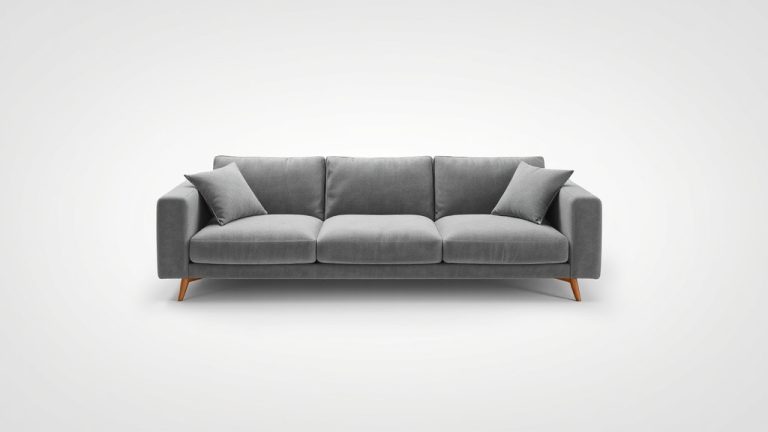
Trends are fun, but your sofa is a long-term relationship, not a fling. Choose a silhouette that won’t look dated in three years. Simple arms and clean lines age well.
Picking a Color You Won’t Regret
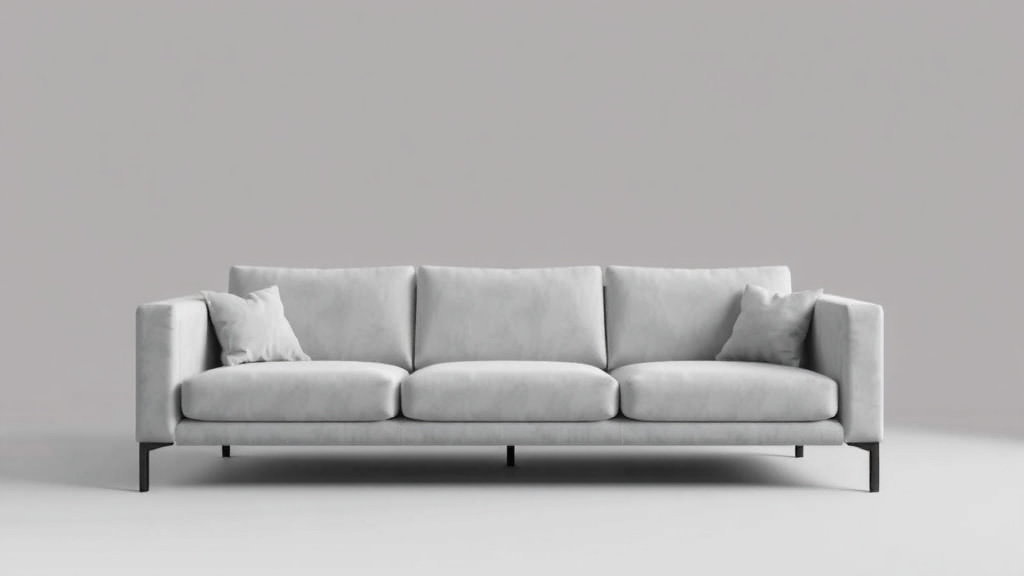
Go neutral on the big piece. Gray, beige, navy, and olive all play nicely with changing decor. Then bring personality in with pillows and throws. They’re cheap to swap and easy to wash.
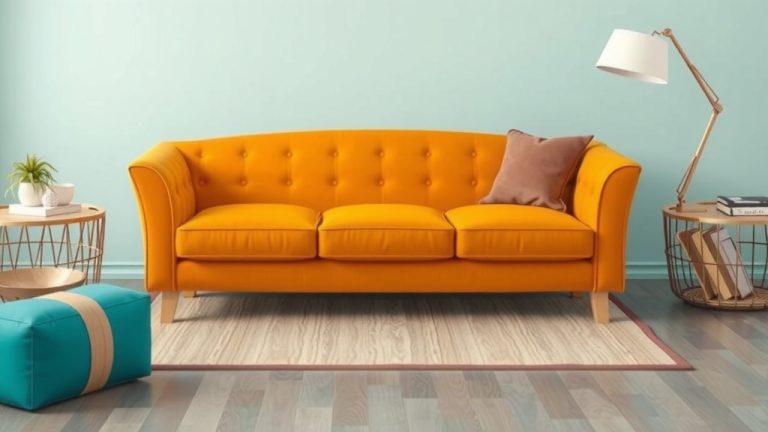
Bold-colored sofas can work, we’ll admit. But ask yourself: will you still love that burnt orange in five years? If the answer is a giggly maybe, pick something calmer.

Setting a Budget That Actually Works
Decent sofas start around $500, mid-range options run $1,000 to $2,000, and quality pieces can go well beyond that. Decide your number before browsing, or showroom lighting will talk you into everything.
Don’t forget the extras:
- Delivery and hauling-away fees
- A stain protection plan (worth it for busy homes)
- Replacement cushion covers, if offered
- Assembly, if it ships flat-packed
Check the Warranty and Frame
Ask what the frame is made of. Kiln-dried hardwood frames last longest. Particleboard frames sag and wobble sooner. A good warranty often signals a maker who stands behind the build.
Your Quick Sofa-Shopping Checklist
Print this, screenshot it, or tape it to the fridge:
- Measured doorways, hallways, and the room itself
- Left 18 inches of walking space around the sofa spot
- Chosen a fabric that matches pets, kids, and real messes
- Sat (and slouched) on the actual sofa to test depth and firmness
- Picked a neutral color with swap-friendly pillows
- Budget includes delivery, protection, and any fees
Follow those steps and you won’t just buy a sofa. You’ll buy the right one, and your future naps will thank you for it.
Conclusion
Finding the right sofa doesn’t have to feel like a gamble. We found that the winning formula is simple: measure everything first, match the fabric to your real life, sit-test before you commit, and set a budget that includes the sneaky extras. Get those four things right, and style becomes the fun part instead of the stressful one. Remember, this is the piece of furniture you’ll use more than almost anything else in your home, so it deserves a little patience. Your next step? Grab that tape measure and check your doorways tonight. Future naps, movie nights, and your lower back will all be glad you did.
Frequently Asked Questions
How long should a good sofa last?
A well-made sofa with a hardwood frame and high-density foam cushions should comfortably last 7 to 15 years. Budget models often start sagging within 3 to 5 years. If you flip or rotate your cushions regularly, you’ll stretch that lifespan even further.
Should I buy a sofa online or in a store?
Stores let you test seat depth and firmness, which matters more than most people expect. Online retailers usually offer better prices and free return windows. If you go online, check the return policy carefully and read reviews that mention long-term comfort, not just delivery.
What is the best sofa for a small living room?
An apartment-sized sofa or loveseat with visible legs works best in tight spaces. The exposed floor underneath makes the room feel more open. Lighter colors and a sofa backed against a wall also help a small room breathe. For exact numbers, our guide to apartment sofa dimensions covers typical lengths and depths.
Is a sectional a good idea for a living room?
Sectionals shine in larger rooms and for households that love lounging together. They can overwhelm a small space, though, and are harder to move later. If your room is under 15 feet wide, a standard sofa plus a chair is usually the smarter pick.
How much should I spend on a sofa?
Most people find the sweet spot between $1,000 and $2,000 for everyday use. Below that, frames and cushions often wear out quickly. Above that, you’re usually paying for custom fabrics, designer names, or extras you may not need.