Armchair vs Sofa: Which Seating Option Fits Your Living Room?
When you’re standing in your living room looking at that empty space, wondering what furniture will complete your design, the decision between an armchair and a sofa can feel surprisingly complicated. It’s not just about picking something comfortable to sit on—it’s about understanding your lifestyle, your space, and what will actually work for you day after day.
I’ve seen people make hasty furniture purchases only to regret them months later. They either end up with a massive sofa that dominates their apartment or an armchair that leaves them feeling isolated during family gatherings. The truth is, there’s no one-size-fits-all answer here. Let me walk you through everything you need to know to make the right choice for your home.
Understanding the Basics: What Exactly Are We Comparing?
Before diving into the nitty-gritty, let’s establish what we’re actually talking about. An armchair and a sofa might seem self-explanatory, but understanding their fundamental differences sets the stage for making an informed decision.
What Defines an Armchair?
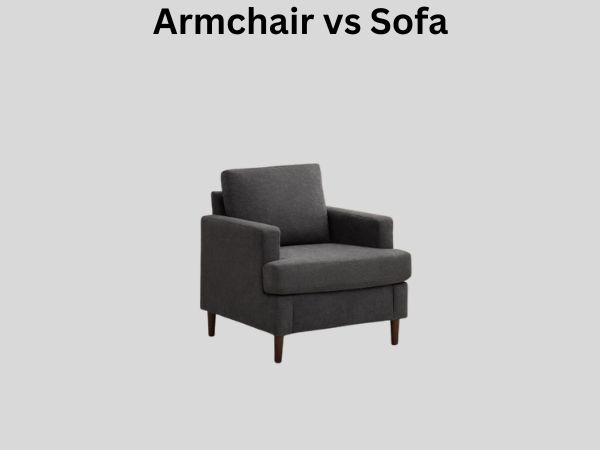
An armchair is essentially a single-seat piece of furniture designed for one person. It comes with arms on both sides, a backrest, and typically sits on legs or a base. Think of it as the solitary throne of relaxation—it’s intimate, cozy, and perfectly sized for one individual to curl up with a book or watch television.
The beauty of an armchair lies in its simplicity. You’re not negotiating space with anyone else. It’s your personal retreat within your living room, offering privacy and comfort without the complexity of multiple seating zones.
What Defines a Sofa?
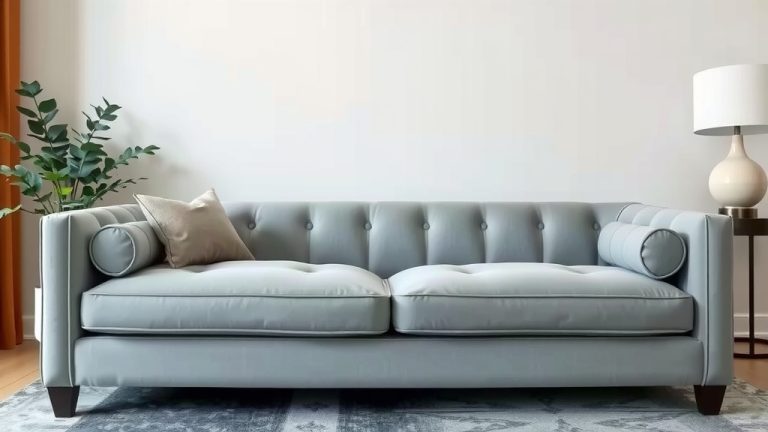
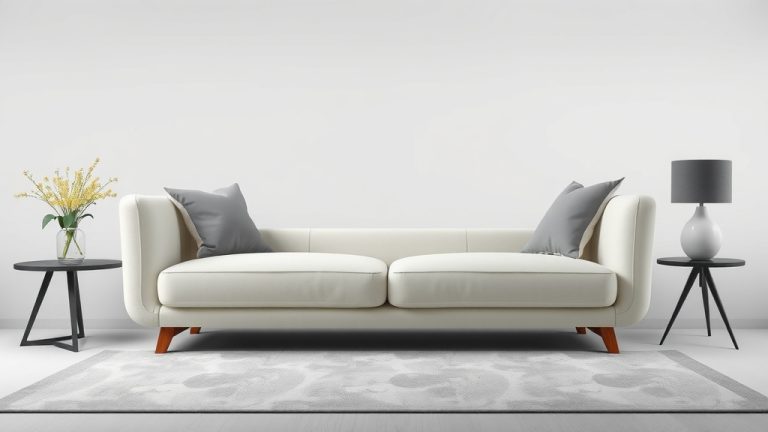
A sofa, on the other hand, is a multi-seat furniture piece designed to accommodate two or more people comfortably. It features a longer frame, a continuous seating surface, arms on both ends, and a backrest. Sofas come in various configurations—from simple two-seaters to elaborate sectionals that can seat an entire family.
The sofa is the social hub of furniture. It’s where conversations happen, where families gather for movie nights, and where guests feel welcome. It’s a statement piece that often becomes the centerpiece of your living room design.
The Space Factor: Does Your Room Have Room?
Here’s where many people stumble—they fall in love with a piece of furniture without considering whether it actually fits their space. Size matters tremendously, and it’s probably the most practical consideration you’ll need to make.
Measuring Your Living Room
Before you even think about shopping, grab a measuring tape and assess your space. Measure the wall where you’re considering placing your seating, but don’t stop there. Consider the traffic flow through your room. Can people move comfortably from the entrance to other areas without feeling cramped?
An armchair typically requires about 35 inches of width and 40 inches of depth. A standard sofa, meanwhile, usually needs at least 72 inches of width and 35 inches of depth. But sectionals? They can sprawl across entire rooms, sometimes needing 8 feet or more of continuous space.
Small Space Solutions
If you’re working with a modest living room or studio apartment, the armchair versus sofa decision becomes clearer. Multiple armchairs arranged in a conversation circle can create an intimate gathering space without monopolizing your square footage. This approach gives you flexibility—you can move pieces around, adapt to different needs, and still feel like you have breathing room.
Alternatively, a compact loveseat or apartment-sized sofa (usually around 60 inches wide) might offer the best of both worlds: multiple seating without overwhelming your space.
Large Space Considerations
When you’re blessed with a spacious living room, both options become viable. A full-sized sofa or sectional can create a welcoming anchor point for your room. Alternatively, you could pair multiple armchairs with ottomans and side tables, creating distinct conversation zones throughout your space.
Lifestyle Needs: How Do You Actually Live?
Your furniture should reflect your lifestyle, not the other way around. Consider how you genuinely spend your time in your living room.
Solo Living and Small Households
If you’re living alone or in a household where people rarely gather simultaneously in the living room, an armchair might be perfect. You get everything you need without extra bulk. Plus, one quality armchair often costs less than a sofa, leaving your budget for other design elements.
An armchair with an ottoman gives you the option to stretch out and relax, effectively creating a lounging experience similar to a small sofa but with more compact dimensions.
Family Life and Entertainment
Do you have children? Do friends and family visit regularly? Does movie night mean gathering everyone in the living room? If you answered yes to any of these, a sofa becomes increasingly important. It’s the difference between having enough seating for everyone and having people perched on the edges of armchairs or sitting on the floor.
Families with kids often benefit from sectional sofas or large traditional sofas. They provide enough space for comfortable lounging, and let’s be honest, kids need room to sprawl out.
The Work-From-Home Factor
If your living room doubles as a workspace, you might want to think about multifunctional seating. A sofa can serve as both a work zone (using one end as a desk surface) and a relaxation spot. An armchair might feel too restrictive if you need flexibility throughout the day.
Comfort Considerations: Your Personal Preference Matters
Comfort is entirely subjective, but there are some general considerations that apply to each option.
Armchair Comfort Features
Armchairs typically offer excellent back support and arm support for reading or lounging. They’re ideal if you like to curl up in a defined, cozy space. The contained nature of an armchair can feel womb-like and protective—perfect for introverts or anyone who values a personal retreat.
Many armchairs come with reclining mechanisms, allowing you to adjust your position for maximum comfort. Some even include built-in footrests or can be paired with ottomans for extended lounging.
Sofa Comfort Features
Sofas offer a different kind of comfort. They allow you to stretch out fully, sprawl across multiple cushions, or shift positions frequently. If you’re someone who gets restless or likes to change positions often, a sofa’s extended surface provides more flexibility.
Modern sofas come with various comfort options: deep seats for sinking-in coziness, firm seats for better support, modular cushions you can adjust, and even built-in recliners at the ends. It’s about finding the style that matches your comfort philosophy.
Design and Aesthetics: Making a Visual Statement
Your furniture contributes significantly to your room’s overall aesthetic. Each option carries different design implications.
Armchair Design Flexibility
Armchairs are design wildcards. Want a mid-century modern accent piece? A sleek contemporary statement chair? A cozy traditional wingback? Armchairs come in virtually every style imaginable, and they’re often more visually interesting than sofas because they stand alone.
You can pair multiple armchairs in the same style for cohesion, or mix different designs for an eclectic look. The smaller footprint means you can feature interesting details—like turned legs, unique fabrics, or distinctive arm styles—without them dominating your space.
Sofa Design Presence
A sofa is a statement piece by definition. It will likely be one of the largest items in your living room, so its design sets the tone for everything else. Choose a sofa that resonates with your aesthetic because it’s not a subtle choice.
The upside? A beautiful sofa becomes the anchor for your entire room’s design scheme. The downside? If you change your style preferences down the road, you’re stuck with your sofa decision for years to come.
Budget Reality: What Can You Actually Afford?
Let’s talk money because it’s a significant factor in this decision.
Armchair Pricing
Quality armchairs typically range from $400 to $2,000, with designer pieces commanding even higher prices. But here’s the advantage: you can invest in one truly exceptional armchair that becomes a beloved piece without spending what a sofa costs.
If budget is tight, buying one quality armchair now and adding another later is perfectly reasonable. You’re not committed to a massive purchase upfront.
Sofa Pricing
Sofas generally run $800 to $3,500 or more, depending on size, materials, and brand. You’re making a bigger financial commitment, which can be intimidating. However, you’re also getting more seating for your investment, which spreads the cost-per-person.
The flip side is that if you buy a sofa you eventually dislike, you’re stuck with a significant financial decision that didn’t work out. With multiple armchairs, you have more flexibility to adjust your setup.
Maintenance and Durability: Long-term Considerations
Different furniture pieces wear differently based on usage patterns.
Armchair Wear and Tear
Since armchairs concentrate wear in one seating spot, they can develop indentations more noticeably. However, they’re easier to rotate if they have legs, and you can reposition them regularly to distribute wear more evenly.
Cleaning is simpler with a smaller piece—you’re managing less fabric overall. If you need to replace cushions or reupholster, doing it on a single chair is more affordable than doing it on a sofa.
Sofa Wear and Tear
Sofas distribute weight across more cushions, which can mean more even wear. However, certain spots—like the center cushion where multiple people sit—can develop impressions more quickly.
The advantage is that many modern sofas feature removable, washable cushion covers, extending the life of the actual cushions. Some even offer replacement cushion options, letting you refresh your sofa without complete reupholstering.
The Hybrid Approach: Can You Have Both?
Here’s something many people don’t consider: you don’t necessarily have to choose just one. A hybrid approach might be your ideal solution.
Combining Sofas and Armchairs
Many successful living room designs pair a sofa with accent armchairs. The sofa serves as the primary seating and visual anchor, while the armchairs flank it or sit at angles, creating additional seating and visual interest.
This approach offers flexibility. You get the family-gathering capacity of a sofa plus the focused comfort and design interest of armchairs. When you’re alone, you might prefer the armchair. When guests arrive, everyone has a place to sit.
Space-Saving Combinations
In smaller spaces, you might combine a loveseat (small sofa) with one or two armchairs. This gives you multiple seating options without overwhelming your room. Each piece remains independently moveable, giving you design flexibility.
Sectionals: The Third Option Worth Considering
We’ve focused on traditional sofas and armchairs, but sectionals deserve mention. They’re essentially large sofas with multiple configurations, and they solve certain problems uniquely.
When Sectionals Make Sense
A sectional provides extensive seating in a space-efficient way. Instead of spreading multiple chairs around a room, a sectional consolidates seating into one sculptural form. If you have a large family or frequently host gatherings, a sectional is hard to beat.
Modern sectionals come modular, meaning you can configure them based on your needs. L-shaped, U-shaped, or custom arrangements let you customize your seating to match your exact space.
Sectional Drawbacks
The main downside is commitment. Sectionals are large, typically immobile pieces. Moving them requires effort, and if your design preferences change, you’re with this configuration for years. They also dominate a room’s visual landscape, limiting flexibility in future design updates.
Practical Tips for Making Your Final Decision
You’ve absorbed a lot of information. Now let’s boil it down to actionable steps.
Step One: Assess Your Space
Measure your living room. Determine realistic dimensions for your potential furniture. Don’t just measure width—consider the depth, ceiling height, and traffic flow. A sofa that fits spatially but blocks your room’s natural movement won’t feel right, even if it fits the measurements.
Step Two: Evaluate Your Lifestyle
Be honest about how you live. Do you actually host regular gatherings, or are you mostly alone? Will this furniture support your genuine lifestyle, or are you buying for a life you wish you had?
Step Three: Test Before Buying
Visit furniture showrooms and physically sit on options. Don’t just look—actually lounge, stretch out, and get a feel for how the piece interacts with your body. What feels amazing for five minutes in a showroom might feel uncomfortable after an hour at home.
Step Four: Consider Your Budget Holistically
Don’t just think about the purchase price. Consider long-term value, maintenance costs, and replacement options. Sometimes a more expensive piece with better durability is smarter financially than a cheap piece you’ll replace in two years.
Step Five: Think Future-Proof
Where will you be in five years? If your living situation might change—maybe you’ll move, downsize, or change jobs—consider furniture that adapts. Modular pieces or separate armchairs offer more flexibility than a massive fixed sofa.
Common Mistakes to Avoid
Let me share mistakes I’ve seen people make repeatedly with seating furniture.
- Ignoring measurements: This is number one. People fall in love with furniture then discover it doesn’t fit. Measure everything.
- Buying for guests: If you rarely have guests but live alone most of the time, don’t sacrifice your daily comfort for occasional visitors. Get what works for your actual life.
- Neglecting delivery logistics: A beautiful sofa means nothing if it can’t navigate your stairwell or building entrance. Check delivery feasibility before purchasing.
- Underestimating comfort importance: Furniture you don’t enjoy sitting on wastes money and space. Comfort matters more than aesthetics.
- Forgetting about maintenance: Light-colored fabric in a home with children or pets is a recipe for regret. Consider your actual lifestyle when selecting materials.
The Environmental Consideration
In today’s world, it’s worth considering the environmental impact of your furniture choices.
Armchairs, being smaller, generally require fewer materials to produce and generate a smaller carbon footprint. If you’re environmentally conscious, choosing one high-quality, long-lasting armchair over multiple disposable pieces aligns with sustainable principles.
For sofas, look for manufacturers using sustainable materials, responsible production practices, and durable construction. A sofa that lasts decades and doesn’t end up in a landfill has a better environmental profile than a cheap sofa replaced every five years.
Conclusion
The armchair versus sofa decision