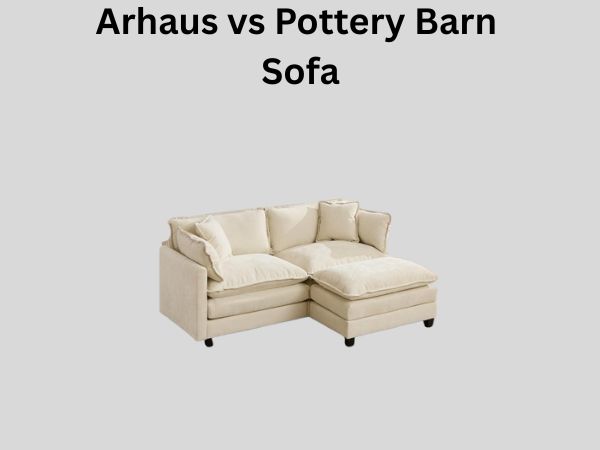
Arhaus vs Pottery Barn Sofa: A Comprehensive Guide to Quality, Comfort & Price
When you’re ready to invest in a sofa, you want to make sure you’re making the right choice. Two names that keep popping up in conversations about quality furniture are Arhaus and Pottery Barn. But here’s the thing—just because both brands are well-known doesn’t mean they’re the same. So let me walk you through what makes these two furniture powerhouses different, and help you figure out which one might be the perfect fit for your living room.
Understanding the Two Titans of Furniture
Let me start by saying that both Arhaus and Pottery Barn have earned their reputations for good reason. These aren’t fly-by-night furniture companies. They’ve been around long enough to understand what customers want, and they’ve built loyal followings because they generally deliver on their promises. But understanding which one suits you better requires looking at how they approach things differently.
The Arhaus Story: Craftsmanship Meets Modern Living
Arhaus started as a family-owned business with a clear mission: create furniture that’s built to last. Their philosophy centers on artisanal craftsmanship, which means they really care about how things are made. If you walk into an Arhaus showroom or browse their website, you’ll notice they emphasize materials like solid wood, hand-stitched details, and upholstery that’s meant to age beautifully.
What really sets Arhaus apart is their focus on timeless design. They’re not chasing every trend that comes along. Instead, they create pieces that you’ll still love looking at in ten years. Think of them as the furniture equivalent of a well-tailored blazer—it just works, year after year.
The Pottery Barn Approach: Accessible Luxury and Style
Pottery Barn, on the other hand, has built an empire by making stylish furniture accessible to more people. They understand that not everyone has an unlimited budget, but everyone deserves a home that looks good and feels welcoming. Their approach is more about contemporary styling with practical considerations built in.
Pottery Barn excels at creating furniture that fits into various design aesthetics—whether you’re going for farmhouse, coastal, modern, or traditional. They’re constantly updating their collections to reflect current interior design trends, which means you’ll find more variety and more options to match your specific style vision.
Design and Style: Which Aesthetic Speaks to You?
Arhaus Sofa Designs: Classic Beauty with Modern Comfort
When you look at Arhaus sofas, you’re looking at pieces that lean heavily on timeless silhouettes. Their collections feature clean lines, understated elegance, and a focus on proportion. You won’t find wild colors or outlandish patterns. Instead, you’ll see neutral tones, quality fabrics, and designs that are sophisticated without screaming for attention.
Their sofa collections often include:
- Deep-seated options perfect for that sink-in comfort
- High-armed styles that provide excellent back support
- Rolled-arm designs that evoke a sense of classic sophistication
- Sectional configurations for larger spaces
- Minimalist modern pieces for those with contemporary tastes
Pottery Barn Sofas: Trend-Forward Style with Options Galore
Pottery Barn’s sofa collection is like walking through a style encyclopedia. They’ve got something for practically everyone. Their designs range from trendy mid-century modern vibes to cozy farmhouse aesthetics to sleek contemporary pieces.
You’ll notice Pottery Barn offers:
- A wider range of colors, patterns, and fabric options
- Regular updates to match current design trends
- Versatile styles that work in various interior settings
- Modular and sectional options with tons of configurations
- Accessories and coordinating pieces to complete your look
Materials and Construction: What’s Under That Beautiful Fabric?
Arhaus Construction Quality: Built Like They Used To
Here’s where Arhaus really distinguishes itself. Their sofas are constructed with a level of attention to detail that you might think was lost to time. Let me break down what goes into an Arhaus sofa.
Most Arhaus sofas feature solid wood frames, often made from hardwoods like kiln-dried ash or oak. They don’t use particleboard or cheap veneers. The joints are typically hand-screwed and corner-blocked, which means they’re designed to withstand years of use without wobbling or creaking.
The upholstery process is equally meticulous. Many pieces feature hand-tufting or hand-stitching details. They often use premium fabrics like performance textiles, linen, or high-quality leather. These aren’t just pretty surfaces—they’re chosen for durability and how they’ll look after years of real living.
Pottery Barn Construction: Quality with Practical Considerations
Pottery Barn has definitely improved their construction standards over the years. Most of their sofas now feature solid hardwood frames, and they’ve moved away from the cheaper construction methods that plagued furniture retailers in the past.
However, there’s a noticeable difference in some details. While Arhaus might use solid wood throughout, some Pottery Barn pieces use engineered wood in certain areas. This isn’t necessarily bad—it’s actually a smart way to keep costs down while maintaining structural integrity.
Their upholstery also varies more widely depending on which collection you’re looking at. You’ll find performance fabrics, natural fibers, and synthetic blends. This variety is actually a strength because you get options at different price points, but it also means quality can be less consistent across their range.
Comfort Factor: How Does It Feel to Actually Sit on These Sofas?
Arhaus Comfort Profile: Deep, Supportive, and Luxurious
If you love sinking into a sofa and staying there for hours, Arhaus designs often deliver. Many of their pieces feature deep seats, which means your legs stretch out instead of sticking up in the air. The cushioning tends to be generous and supportive without feeling like you’re sitting on a cloud that will collapse.
Their approach to comfort involves using high-quality foam cores, often wrapped in batting or other natural materials. The result is a sofa that feels substantial and durable. You won’t experience that annoying situation where you sink into the middle of the cushion after a few months of use.
The firmness level tends to be medium to firm, which appeals to people who want their sofa to provide actual support rather than just feeling squishy.
Pottery Barn Comfort: Varies by Model and Price Point
This is where things get a bit tricky with Pottery Barn. Because they have such a wide range of products at different price points, the comfort experience can vary significantly. Some of their sofas are genuinely comfortable and well-designed. Others, particularly at the lower end of their price range, might feel less supportive or might use lower-quality cushioning that breaks down more quickly.
That said, their popular collections generally offer good comfort. Many customers report being satisfied with how their Pottery Barn sofas feel. The key is understanding which collection you’re buying from, because comfort isn’t universal across their entire range.
Price and Value: Where’s Your Money Actually Going?
Arhaus Pricing: Premium Investment
Let’s be honest—Arhaus sofas aren’t cheap. You’re typically looking at a starting price somewhere in the $2,000 to $3,500 range for a standard sofa, and it goes up from there. A sectional can easily exceed $5,000 or $6,000.
But here’s the thing about pricing: you get what you pay for. When you buy an Arhaus sofa, you’re paying for:
- Solid wood construction throughout
- Premium upholstery materials
- Meticulous craftsmanship
- Better longevity (you’ll have it longer)
- Better resale value (these sofas hold their worth)
If you think of it as a cost-per-year of use, that premium price starts to make more sense. A sofa that lasts fifteen years is actually cheaper per year than one that only lasts eight.
Pottery Barn Pricing: Accessible with Options
Pottery Barn’s pricing is considerably more accessible. You can find decent sofas starting around $1,000 to $1,500, with many popular models in the $1,500 to $3,000 range. This makes them appealing if you’re working with a tighter budget or if you like updating your furniture more frequently.
The trade-off is that you might not get the same longevity or the same consistent quality as Arhaus. But Pottery Barn does offer decent value within their price range, especially if you catch sales (and they do have them regularly).
Customization Options: Making It Uniquely Yours
Arhaus Customization: Deep Choices
Arhaus really lets you customize your sofa. You can choose from numerous upholstery options, select different leg styles, pick specific cushioning firmness levels, and adjust dimensions. This level of customization means your sofa is actually tailored to your preferences and your space.
The downside is that this customization comes with a longer wait time. You’re not getting a sofa off the showroom floor—it’s being made for you. Expect delivery times anywhere from 8 to 16 weeks depending on what you order.
Pottery Barn Customization: Good but Less Extensive
Pottery Barn offers customization, but it’s more limited. You typically get choices in fabric and maybe leg finish, but you won’t have the same level of control over structural details or cushioning options. What they do offer is faster delivery because many items are made to more standard specifications.
Durability and Long-Term Performance: Will It Last?
Let’s talk about what matters most: will your sofa still be beautiful and functional five years from now? Ten years?
Arhaus Longevity: Built to Last Generations
Based on customer reports and the company’s construction methods, Arhaus sofas genuinely seem to hold up over time. People report owning them for over a decade with minimal issues. The solid wood frames don’t warp, the joinery holds strong, and even the upholstery maintains its appearance because they choose quality fabrics.
This isn’t accidental—it’s by design. When a company uses solid wood, reinforced joinery, and premium fabrics, they’re making a sofa meant to last. And the fact that Arhaus pieces often command good resale prices suggests that they do indeed age well.
Pottery Barn Durability: Generally Good with Caveats
Pottery Barn sofas generally hold up reasonably well, especially the ones at the higher end of their price range. However, you’ll find more variability. Some pieces last wonderfully; others might show wear more quickly. This depends on the specific model, your usage, and how well you maintain it.
The key variable is the quality of the specific collection you’re buying. Their premium collections will last longer than their budget lines. So if you’re buying from Pottery Barn, pay attention to which collection you’re choosing from.
Customer Service: More Than Just the Sale
Arhaus Customer Service: Personal and Attentive
Because Arhaus is smaller and still family-owned (in spirit if not entirely in practice), their customer service tends to be more personal. Staff can often spend time understanding what you actually need. If something goes wrong, they’re generally responsive and willing to work with you.
You can shop in their physical showrooms, which means you can sit on sofas and see materials in person. This is genuinely valuable when making a big investment.
Pottery Barn Customer Service: Efficient but Less Personal
Pottery Barn has larger customer service operations. This means they can be efficient and responsive, but you might feel like you’re being processed rather than being personally helped. Their staff is generally knowledgeable, but there’s less room for customized attention.
They do have physical stores, which is helpful for seeing pieces in person. However, their return and warranty policies tend to be more standardized and sometimes stricter than Arhaus.
Warranty and Return Policies: What Happens If Something Goes Wrong?
Arhaus Warranties: Comprehensive Coverage
Arhaus typically offers a warranty that covers structural issues and manufacturing defects, usually for a substantial period. Their approach seems focused on standing behind their products because they’re confident in their construction.
Return policies are generally reasonable, though you’ll want to confirm specifics since they can vary. The company’s philosophy seems to be that if you’re unhappy, they want to make it right.
Pottery Barn Warranties: Standard Industry Terms
Pottery Barn offers warranties, but they’re more in line with standard retail furniture warranties. Coverage typically includes manufacturing defects but might not cover as much as Arhaus. Return windows and conditions are clearly specified, but they tend to be stricter.
Delivery and Setup: Getting Your Sofa Home
Arhaus Delivery: Professional and Careful
Because Arhaus sofas are custom-made and represent significant investments, their delivery service tends to be careful and professional. They typically charge for delivery, but the service is thorough. Assembly and positioning are usually included.
The waiting period for custom orders can be several months, which you’ll want to factor into your timeline.
Pottery Barn Delivery: Convenient Options
Pottery Barn offers various delivery options, from standard shipping to white-glove delivery. For items they have in stock, delivery can be relatively quick. The range of options means you can choose what fits your budget and timeline.
What Real Customers Are Saying
Arhaus Owner Experiences
When you read reviews from actual Arhaus customers, certain themes emerge. People consistently praise the quality and longevity of their sofas. They mention that the furniture holds up beautifully over years. Complaints are relatively rare, though some mention the high price and long wait times for delivery.
The real testament is that many customers say they’d buy from Arhaus again and that they consider their sofas to be investments rather than purchases.
Pottery Barn Owner Experiences
Pottery Barn reviews are more mixe

![10 Best Costco Leather Sofa [2026]](https://hometopaccesories.com/wp-content/uploads/2026/09/10-best-costco-leather-sofa-2026-featured-768x432.jpg)
![10 Best Cleaner For White Leather Sofa [2026]](https://hometopaccesories.com/wp-content/uploads/2026/09/10-best-cleaner-for-white-leather-sofa-2026-featured-768x432.jpg)