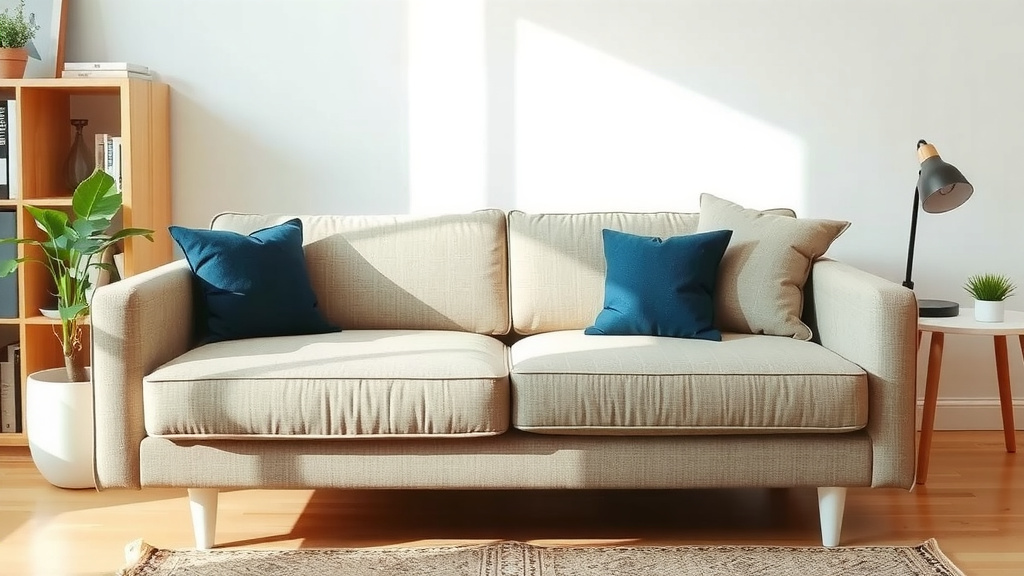
How to Clean a Dirty Sofa at Home: Simple Steps That Work
The easiest way to clean a dirty sofa at home is to vacuum it thoroughly, then spot-treat stains with a mild soap and water solution, depending on your couch’s fabric code. Let it air dry completely before anyone sits down. That’s really the core of it.
Sounds simple, right? Well, kind of. The tricky part is that different fabrics need different care, and using the wrong cleaner can leave water rings or worse. We researched what actually works, and we found that most sofa disasters come from skipping two steps: checking the care tag and vacuuming before cleaning. Many experts say that second one matters more than people think.
Here’s the quick version before we get into the details:
- Vacuum the whole sofa first, including crevices and under the cushions
- Check the care tag for cleaning codes like W, S, or WS
- Spot-treat stains with the right cleaner for your fabric type
- Blot, never scrub, to avoid spreading the mess
- Let everything dry fully before use to prevent mildew and smells
Below, we walk you through everything step by step, from decoding that mysterious tag on your cushion to tackling stubborn stains like a pro. Grab your vacuum, and let’s get started.
Cleaning Your Dirty Sofa at Home, Step by Step
Start with a good vacuum session, then move to stain treatment, and finish with deodorizing. That order matters more than you’d think. Skipping straight to the soap is like mopping a floor without sweeping first — you just push the mess around.
Step 1: Vacuum Every Inch of the Sofa
Before any liquid touches your couch, vacuum it. We found that crumbs, dust, and pet hair can turn into mud when wet, so this step saves you headaches later. Use the brush attachment and go slow.
Don’t Forget the Hidden Spots
Lift those cushions and peek underneath. You’ll probably find popcorn, spare change, and maybe a sock you lost in 2019. Vacuum the seams, the crevices, and the back panel too. Dust mites love to settle in fabric, and regular vacuuming helps reduce allergens in your home (Mayo Clinic).
Step 2: Decode the Care Tag
Flip a cushion and look for a tag with a letter code. This little tag tells you exactly what your sofa can handle, so treat it like the instruction manual you actually read for once.
| Code | What It Means | What You Can Use |
|---|---|---|
| W | Water-based cleaner safe | Mild soap and water |
| S | Solvent only | Dry-cleaning solvent, no water |
| WS | Either works | Water or solvent cleaner |
| X | Vacuum only | No liquids at all |
Step 3: Spot-Treat Stains the Right Way
Blotting is your best friend here. Scrubbing just spreads the stain and roughs up the fabric, so press gently and work from the outside of the stain toward the center.
Water-Safe Fabrics (W and WS Codes)
Mix a few drops of dish soap into warm water. Dip a clean cloth, wring it out well, and blot the stain. Many experts say using too much water is the most common DIY mistake, so keep the cloth damp, not dripping.
Solvent-Only Fabrics (S and X Codes)
For an S code, apply a dry-cleaning solvent to a cloth first, never straight onto the sofa. Open a window while you work. For an X code, stick to vacuuming and maybe a dry brush — that’s it.
Step 4: Deodorize with Baking Soda
Sprinkle a light layer of baking soda over the fabric and let it sit for 15 to 30 minutes. It absorbs odors naturally, then you vacuum it up. This works great for pet smells and that “lived-in” scent we all pretend not to notice.
Step 5: Let It Dry Completely
Patient people win this round. Point a fan at the sofa or open nearby windows to speed things up. Sitting on a damp couch can trap moisture inside the cushions, and that leads to mildew and musty smells. The CDC notes that keeping indoor surfaces dry is one of the best ways to prevent mold growth.
Tackling Tough Stains by Type
Different spills need different moves. Here’s how we’d handle the usual suspects.
Food and Grease Stains
Sprinkle baking soda or cornstarch on fresh grease to soak up the oil first. Wait about 15 minutes, vacuum it off, then blot with your soap solution. Grease panic is real, but patience usually beats frantic scrubbing.
Pet Accidents and Urine
Blot up as much as you can right away, then treat the area with an enzyme cleaner made for pets. These break down the odor compounds instead of just covering them up. Regular soap can leave residue that actually attracts pets back to the same spot.
Ink and Marker Marks
A little rubbing alcohol on a cotton ball works for small ink marks on most fabrics. Test it in a hidden spot first, like the back corner near the floor. Alcohol can lighten some dyes, so a quick test saves you from a bigger problem.
Common Sofa Cleaning Mistakes to Avoid
We found that most couch disasters come from a few avoidable habits. Check yourself against this list before you start.
- Skip the care tag check and guess the cleaner
- Soak the fabric with too much water
- Scrub aggressively instead of blotting
- Use bleach or harsh chemicals on upholstery
- Test cleaners in plain sight instead of a hidden spot
- Sit on the sofa before it’s fully dry
That last one gets everybody. You clean the couch, feel proud, then someone flops onto it an hour later and undoes all your work. Set a timer if you have to. If you’re unsure when it’s safe, our guide to sofa drying times after cleaning walks through what to expect.
How Often Should You Clean Your Sofa?
Vacuum weekly if you use the couch daily, and do a deeper cleaning every three to six months. Homes with pets, kids, or allergy sufferers benefit from more frequent vacuuming, since fabric furniture can hold dust and pet dander. Many allergy guidelines from sources like the NIH recommend regular cleaning of soft furnishings to reduce indoor triggers.
Your Quick Sofa Cleaning Checklist
Pin this list or snap a photo before you start. It keeps the whole job moving.
- Remove cushions and vacuum everything, including crevices
- Find the care tag and confirm your cleaning code
- Test any cleaner on a hidden area first
- Blot stains with the right solution, working outside-in
- Deodorize with baking soda, then vacuum again
- Let the sofa dry fully before anyone sits down
When to Call a Professional Cleaner
Sometimes DIY has limits. If your sofa has an X code, a lingering smell that won’t quit, or water damage deep in the cushions, a professional upholstery cleaner has the tools to handle it safely. We found that deep-set moisture problems often need commercial extraction equipment to fix properly. Paying for one cleaning can cost less than replacing a couch, so it’s worth the call when things get out of hand.
Now you’ve got the full picture. Vacuum first, check the tag, blot gently, and dry completely. Your sofa — and everyone who naps on it — will thank you.
Conclusion
Cleaning a dirty sofa at home doesn’t require fancy products or a professional on speed dial. It comes down to a few smart habits: vacuum first, read the care tag, blot gently, and give the fabric plenty of time to dry. We also found that patience matters as much as technique — rushing leads to soaked cushions, water rings, and mildew smells you’ll regret. Start small this week. Flip a cushion, find that care tag, and give your couch a thorough vacuum. Once you know your fabric code, you’re ready for the deeper cleaning whenever stains show up. Your sofa takes a beating every day, so a little regular care goes a long way toward keeping it fresh for years.
Frequently Asked Questions
Can I use a steam cleaner on my couch?
Only if your care tag shows a W or WS code. Steam adds a lot of moisture, so S and X fabrics can’t handle it. Even on water-safe fabric, we found that over-wetting is the top cause of mildew, so keep passes quick and dry the sofa fast afterward.
What home remedies work for cleaning a fabric sofa?
Mild dish soap mixed with warm water handles most stains on W-coded fabric, and baking soda works well for odors. A little rubbing alcohol can tackle ink marks, but always test it in a hidden spot first. Skip vinegar on delicate fabrics, since it can leave its own smell behind.
How do I clean a sofa with no care tag?
Treat it gently. Vacuum thoroughly, then test a mild soap solution on a hidden area like the back corner near the floor. If the fabric shows no water rings or color change after it dries, you can proceed with light blotting. If you’re unsure, a solvent-based upholstery cleaner tested discreetly is a safer bet.
Why does my couch smell after cleaning it?
Lingering smells usually mean moisture got trapped inside the cushions or the source of the odor is still there. Make sure the sofa dries completely with a fan or open windows, and use an enzyme cleaner for pet odors, since soap alone won’t break them down. A round of baking soda before your next vacuum helps too.
Can I use carpet cleaner on my sofa?
We’d hold off. Carpet cleaning solutions are formulated for rugs and can leave residue or discolor upholstery fabric. Some are also too harsh for the dyes used in couches. Stick with cleaners labeled for upholstery, or a simple dish soap solution on water-safe fabric.