How to Vacuum Your Sofa: A Quick Guide
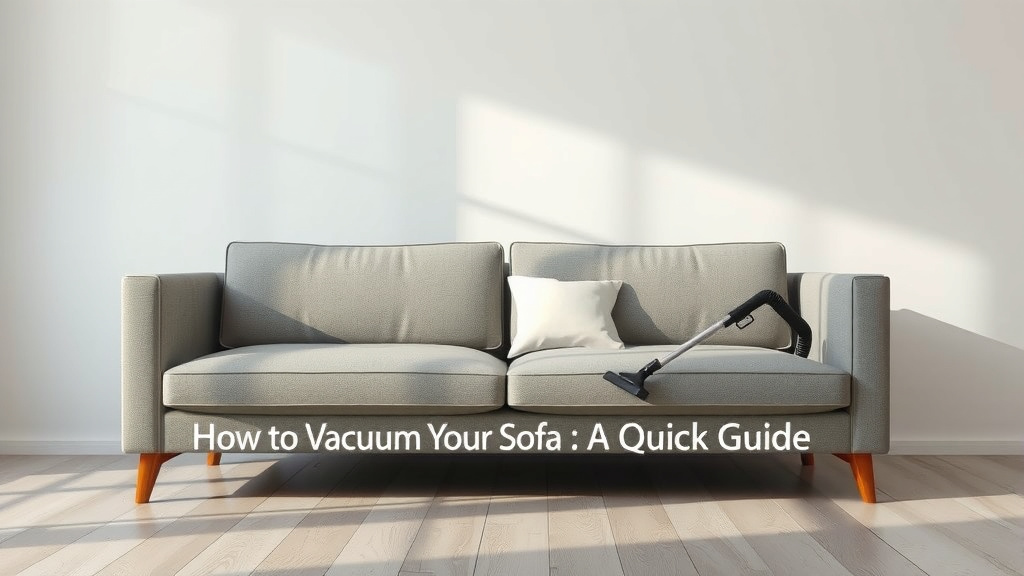
The best way to clean your sofa with a vacuum is to start with the right attachments and work systematically. You’ll want to use the upholstery tool and the crevice tool for a thorough clean. This method helps remove dust, debris, and allergens effectively, keeping your sofa looking and feeling fresh.
Regular vacuuming is key to maintaining your sofa’s appearance and lifespan. It removes the dirt that can wear down fabrics over time. Many experts agree that consistent vacuuming prevents deeper stains from setting in. It’s a simple yet highly effective maintenance step for your furniture.
- Use the correct vacuum attachments.
- Work from top to bottom.
- Don’t forget the crevices.
- Vacuum regularly for best results.
Ready to give your sofa a spa day? Let’s walk through exactly how to vacuum your sofa step by step to get it looking its best.
Your Guide to Vacuuming Your Sofa Like a Pro
Cleaning your sofa with a vacuum cleaner is one of the easiest ways to keep it looking great. It also helps remove dust and allergens that can build up over time. You don’t need fancy products or a lot of elbow grease. Just a few simple steps and the right tools will make a big difference.
Getting Started: What You’ll Need
Before you begin, gather your supplies. Having everything ready makes the process much smoother. Think of it like prepping for a recipe – you need your ingredients before you start cooking.
Your Vacuum Cleaner’s Best Friends: Attachments
Most vacuum cleaners come with a few attachments. These aren’t just for show; they are designed for specific cleaning tasks. For your sofa, two attachments are absolute stars. These are the upholstery tool and the crevice tool. The upholstery tool usually has a wider mouth and sometimes a fabric brush. It’s perfect for the main surfaces of your couch. The crevice tool is long and narrow, ideal for those hard-to-reach spots.
Check Your Sofa’s Tag
Just like your clothes have care tags, your sofa might too. Look for a tag, often found on the underside or back. This tag can give you important cleaning codes. These codes tell you what cleaning methods are safe for your sofa’s fabric. They might say “W” for water-based cleaners or “S” for solvent-based cleaners. Some might say “X,” meaning only vacuuming or brushing is recommended. Always check this first to avoid damaging your sofa. Many manufacturers recommend routine vacuuming as the safest cleaning method (Good Housekeeping).
The Vacuuming Process: Step-by-Step
Now that you have your tools ready, let’s get cleaning. We’ll tackle your sofa section by section.
Prepare Your Sofa Area
Start by removing everything from your sofa. This includes cushions, throws, and any decorative pillows. This gives you clear access to all the surfaces you need to clean. It also lets you vacuum under the cushions.
Tackle the Cushions First
Begin with the removable cushions. Place them on a clean floor or an old sheet. Use the upholstery attachment on your vacuum. Go over each side of the cushions thoroughly. Pay attention to the seams and any textured areas. You’d be surprised what lurks in the fabric weaves!
Dealing with Loose Debris
For cushions with loose crumbs or pet hair, you might want to use a brush attachment first. A soft-bristled brush can help loosen dirt. Then, follow up with the upholstery tool. This makes sure you get the deepest dirt.
Move to the Sofa Frame and Base
Once the cushions are clean, it’s time for the sofa’s main body. Start at the top and work your way down. This way, any dust you dislodge will fall downwards. You can then vacuum it up. This prevents you from cleaning the same spot twice.
Vacuuming the Back and Arms
Use the upholstery tool for the back of the sofa and the arms. These areas often collect dust and oils from your hands. Gently move the vacuum back and forth. Ensure you cover the entire surface area.
Don’t Forget the Underside (If Possible)
If your sofa has exposed fabric on the underside, vacuum it too. Dust and debris can accumulate here. This is especially true if your sofa sits on a carpeted floor. A quick vacuum of the underside can help reduce allergens.
The All-Important Crevices
This is where the crevice tool shines. Look between cushions, along the seams, and in any other tight spots. These areas are magnets for crumbs, pet hair, and forgotten change. The crevice tool is designed to get into these narrow spaces. Move slowly and deliberately to pick up as much as possible. You might be amazed at what you find!
Underneath the Sofa
If your sofa is raised off the floor, take a moment to vacuum underneath it. Dust bunnies love to gather in these hidden spots. This is another area where the crevice tool can be helpful, especially if the space is tight.
Special Considerations for Different Sofa Types
Not all sofas are created equal. The fabric type can influence how you vacuum.
Delicate Fabrics
For sofas made of silk, velvet, or other delicate materials, use the gentlest setting on your vacuum. Many vacuums have an upholstery brush with soft bristles. Consider using this attachment. Always vacuum in the direction of the fabric’s nap. This prevents damage or matting. If you’re unsure, test in an inconspicuous area first.
Leather Sofas
Leather sofas are different. You’ll want to use a soft brush attachment for your vacuum. This prevents scratching the leather. Avoid using the upholstery tool directly, as it can be too abrasive. Pay attention to the seams where dust can collect. After vacuuming, a damp cloth can help remove any remaining surface dust.
Performance Fabrics and Microfiber
These fabrics are generally durable and easy to clean. You can usually vacuum them without much concern. Use the standard upholstery tool. For stubborn pet hair, you might try a rubber brush attachment before vacuuming.
How Often Should You Vacuum Your Sofa?
Consistency is key to keeping your sofa looking its best. How often you vacuum depends on your lifestyle. For most households, once a week is a good target. If you have pets or young children, you might need to vacuum more often. Think of it as routine maintenance. Regularly removing dirt prevents it from becoming ingrained.
Consider these points:
- High-traffic areas: If your sofa is used daily, vacuum it weekly.
- Pets: Pet hair and dander can build up quickly. Aim for twice a week.
- Allergies: Frequent vacuuming helps reduce allergens. This can be beneficial for allergy sufferers.
- Spills and crumbs: Vacuum up spills and crumbs as soon as they happen. This prevents stains.
We found that a simple weekly routine significantly reduces the wear and tear on sofa fabrics. It also contributes to better indoor air quality.
Quick Checklist for Sofa Vacuuming Success
Here’s a quick rundown to keep handy:
- Gather upholstery and crevice tools.
- Remove cushions and all items from the sofa.
- Vacuum cushions first, then the sofa frame.
- Use the crevice tool for all tight spots and seams.
- Vacuum regularly based on your household needs.
- Check your sofa’s fabric care tag if unsure.
Conclusion
You’ve learned how simple yet effective vacuuming can be for your sofa. By using the right attachments like the upholstery and crevice tools, you can remove hidden dust and debris. Regular vacuuming, especially if you have pets or kids, keeps your sofa fresh and extends its life. Remember to check your sofa’s care tag for any specific instructions. Now, go ahead and give your sofa that much-needed deep clean!
Frequently Asked Questions
What if my vacuum doesn’t have an upholstery tool?
If your vacuum lacks a dedicated upholstery tool, you can often use the main floor brush attachment on a lower setting. Alternatively, you can cover the nozzle of a regular attachment with a piece of thin, breathable fabric like cheesecloth. This helps protect delicate sofa fabrics while still allowing suction.
Can I use a handheld vacuum for my sofa?
Yes, handheld vacuums are often perfect for sofa cleaning, especially for spot cleaning or smaller spaces. Many come with specialized attachments for upholstery and crevices. Just ensure it has enough suction power to effectively lift dirt and dust from the fabric.
How do I remove pet hair that’s stuck in the sofa fabric?
For stubborn pet hair, try using a rubber glove or a squeegee. Rub your gloved hand or the squeegee over the fabric in one direction. This will help gather the hair into clumps that you can then easily pick up or vacuum. A specialized pet hair attachment for your vacuum can also be very effective.
Should I vacuum my sofa before or after cleaning spills?
It’s best to vacuum *before* addressing spills, unless the spill itself is dry debris. Vacuuming first removes loose dirt and prevents it from being pushed deeper into the fabric when you try to clean a wet stain. Always blot spills, never rub them, and check your sofa’s care tag for appropriate cleaning solutions.
What if my sofa has loose threads or is a delicate material?
For delicate fabrics or sofas with loose threads, use the gentlest setting on your vacuum. Employ a soft brush attachment if you have one, or an upholstery tool with soft bristles. Always vacuum in the direction of the fabric’s natural weave or nap. If you’re unsure, test on an inconspicuous area first.