How to Clean a Light Grey Fabric Sofa Without Damaging It
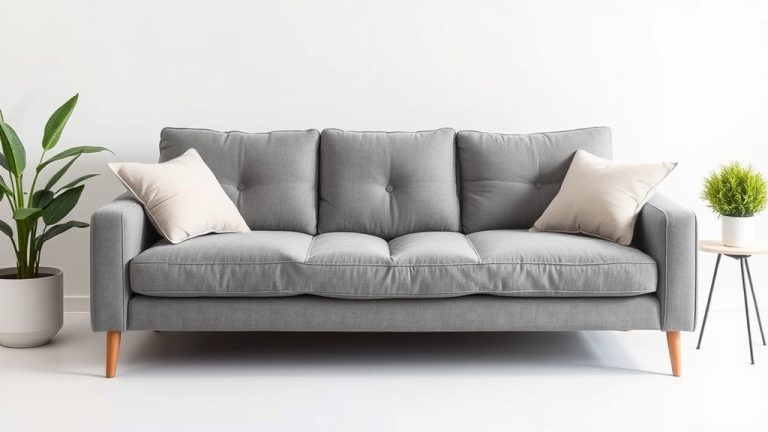
The easiest way to clean a light grey fabric sofa is to vacuum it thoroughly, spot-treat stains with a mild dish soap solution, and let it air dry. Light grey fabric looks stunning, but it shows every crumb, smudge, and mystery stain. The good news? Keeping it clean is simpler than you might think.
We know the struggle. One cup of coffee or one muddy paw print, and your beautiful sofa suddenly looks like it’s been through a war. After digging through expert cleaning guides and testing common methods, we found that regular upkeep matters far more than fancy products. Many experts say that consistent weekly care prevents most deep-cleaning headaches down the road.
TL;DR — Quick Takeaways:
- Vacuum your sofa weekly using an upholstery attachment.
- Blot spills immediately — never rub, or you’ll spread the stain.
- Spot-clean with dish soap and warm water for most stains.
- Always check the manufacturer’s care tag before using any cleaner.
- Skip bleach and harsh chemicals that can discolor light grey fabric.
Below, we break down everything you need to know about cleaning a light grey fabric sofa — step by step, stain by stain. Let’s get that sofa looking fresh again.
Cleaning Your Light Grey Fabric Sofa the Right Way
The best method is simple: vacuum first, then spot-clean with a gentle soap solution, and always work from the outside of a stain inward. Light grey fabric is a little like a white t-shirt — gorgeous on day one, but it remembers everything you’ve ever done to it.
Before you grab any bottle from under the sink, there’s one thing you must do. Check the manufacturer’s tag. It’s usually tucked under a cushion or stapled to the frame, and it tells you exactly what your sofa can handle.
Decoding the Care Tag on Your Sofa
Those cryptic letters on the tag aren’t a secret code to annoy you. They’re instructions. Here’s what each one means:
- W — Water-based cleaners are safe. Good news for most of us.
- S — Solvent-based cleaner only. Keep water away.
- WS — You can use either one. Lucky you.
- X — Vacuum only. No liquids, period.
If your tag says X, don’t risk it. Many experts say calling a professional cleaner is the smarter move than experimenting with homemade mixes on delicate fabric.
Supplies You’ll Need Before You Start
You don’t need a cleaning aisle in your closet. Most light grey sofas respond well to a handful of household basics you probably already own.
- Vacuum with an upholstery brush attachment
- Mild dish soap (the plain kind, not the fancy scented stuff)
- Warm water in a spray bottle
- Clean white microfiber cloths (white matters — dyes can transfer)
- Baking soda for odors
- A soft-bristled brush, like an old toothbrush
One quick warning from our research: skip the bleach. Even diluted, it can leave permanent pale patches on grey fabric. Think of it as a tattoo — there’s no easy undo button.
Step-by-Step: Deep Cleaning Your Sofa Safely
Ready to roll up your sleeves? Follow this order and you’ll avoid the most common mistakes we found in cleaning guides.
Step 1: Vacuum Everything, Even the Hidden Spots
Start by removing cushions and vacuuming every surface. Don’t forget the crevices where crumbs, dust, and pet hair hide. Those gaps between cushions are basically a snack graveyard.
Use slow strokes with the upholstery attachment. Many experts recommend vacuuming weekly, since dust buildup can wear down fabric fibers over time (per general care guidance from textile experts and home maintenance resources).
Step 2: Freshen Up with Baking Soda
Sprinkle a light layer of baking soda over the fabric and let it sit for 15 to 20 minutes. It absorbs odors like a sponge absorbs spaghetti sauce — quietly but effectively.
Then vacuum it all up. If you have pets, this step alone can make a surprising difference.
Step 3: Mix Your Cleaning Solution
Mix a few drops of dish soap into two cups of warm water. Dip a cloth in it, then wring it out well. Your cloth should be damp, not dripping.
Why so careful? Too much moisture can soak into the cushion and cause mold or mildew deep inside. The CDC notes that damp indoor materials can harbor mold growth, which you definitely don’t want in the place you nap.
Step 4: Spot-Clean Stains Gently
Blot, don’t scrub. Press the damp cloth onto the stain and lift straight up. Rubbing pushes the stain deeper and frays the fabric — like trying to erase pen marks by pressing harder. It never ends well.
Work from the stain’s outer edge toward the center. This keeps it from spreading into a bigger, sadder blob.
Step 5: Rinse and Dry Properly
Go over each cleaned spot with a cloth dampened in plain water. This removes leftover soap, which can otherwise attract more dirt later.
Then let everything air dry completely. Open a window or run a fan. Sitting on a damp cushion feels gross, sure, but trapped moisture is the real problem.
Quick Reference: Stains and How to Handle Them
Different spills need slightly different game plans. Here’s a cheat sheet for the usual suspects:
| Stain Type | Best First Move | What to Avoid |
|---|---|---|
| Coffee or tea | Blot immediately, then dish soap solution | Hot water at first — it can set the stain |
| Red wine | Blot fast, then cold water and soap | Scrubbing or salt piles |
| Pet accidents | Blot, then an enzyme-based cleaner | Ammonia-based products (they smell like urine to pets) |
| Grease or oil | Blot excess, then a tiny bit of dish soap | Water first — it spreads the oil |
| Ink | Dab gently with a cloth | Pressing hard or soaking the area |
We found that acting within the first few minutes matters more than any fancy product. Speed beats technique almost every time.

Common Mistakes That Ruin Light Grey Fabric
Even well-meaning cleaners make these errors. Avoid them and your sofa will thank you.
- Using colored cloths that bleed dye onto pale fabric
- Soaking the cushion instead of using a damp cloth
- Skipping the care tag check entirely
- Using bleach or harsh all-purpose sprays
- Rubbing stains instead of blotting
- Putting cushions back before they’re fully dry
That last one sneaks up on people. Trapped moisture can lead to musty smells and mold issues, and health sources like the CDC warn that indoor mold can aggravate allergies and breathing problems.
Keeping Your Grey Sofa Clean Week After Week
Here’s the honest truth: the easiest deep clean is the one you never need. A little routine maintenance goes a long way.
Your Weekly Care Checklist
Print it, pin it, or just remember it. Six small habits:
- Vacuum all surfaces and crevices once a week
- Flip and rotate the cushions
- Blot any spills the moment they happen
- Wash throw blankets and pillow covers regularly
- Keep food and drinks off the sofa (we know, we know)
- Give your sofa a monthly baking soda refresh
Smart Ways to Protect Light Grey Fabric Long-Term
If your sofa lives in a sunny spot, UV rays can fade the fabric over time. Rotating cushions helps even out the exposure.
A washable throw blanket is also your best friend. It takes the hit from pets, kids, and movie-night snacks so your sofa doesn’t have to. Think of it as a bodyguard with better style.
And if your sofa has gotten seriously grimy? There’s no shame in calling a professional upholstery cleaner once a year. Many experts say an annual deep clean extends fabric furniture’s life — which beats buying a new sofa.
Conclusion
A light grey fabric sofa doesn’t have to be high-maintenance. Check your care tag first, vacuum weekly, blot spills fast, and spot-clean with a simple dish soap solution. Skip the bleach, use white cloths, and let everything dry fully before you flop back down. We found that those small, consistent habits beat any deep-cleaning rescue mission — and they cost almost nothing. Your sofa stays fresh, and your weekends stay free. So here’s your next step: grab your vacuum and give those cushions a quick once-over today. Ten minutes now saves you a serious scrub session later.
Frequently Asked Questions
Can I use a steam cleaner on a light grey fabric sofa?
It depends on your care tag. If your sofa has a W or WS code, a handheld steam cleaner can work well for a deep clean. If it has an S or X code, skip the steam entirely — heat and moisture can shrink or damage the fabric. When in doubt, test a small hidden spot first.
How do I get yellowing out of a light grey sofa?
Yellowing often comes from body oils, sweat, or years of sitting near a sunny window. Try a gentle mix of dish soap and warm water, blot lightly, and rinse with a damp cloth. We found that adding a splash of white vinegar to the solution can help with older buildup. Just avoid bleach — it won’t fix yellowing on grey fabric, it’ll create pale patches.
Why does my grey sofa smell even after cleaning?
Lingering odor usually means moisture or residue is trapped inside the cushions. Sprinkle baking soda over the fabric, let it sit for 20 minutes, and vacuum thoroughly. If the smell sticks around, the cushion inserts themselves may need attention — some covers can be washed, but foam inserts should stay dry. Persistent musty smells are worth a professional cleaning call. For smells that won’t budge, our guide to stubborn sofa odors covers enzymatic cleaners and deeper deodorizing.
How often should I deep clean my fabric sofa?
For most households, a full deep clean every 3 to 6 months is a solid rhythm. Homes with kids, pets, or allergy sufferers benefit from doing it every couple of months. In between, stick to your weekly vacuuming and quick spill blotting. Consistency really is what keeps light grey fabric looking new.
Is it safe to use vinegar on a light grey fabric sofa?
Yes, in small amounts. Mix one part white vinegar with two parts water, dampen a white cloth, and blot gently. Vinegar handles odors and light grime well, and it’s much safer than harsh chemicals on pale fabric. Always test an inconspicuous area first, and follow up with a plain-water rinse so no residue is left behind.
Can I wash my sofa cushion covers in the washing machine?
Only if the label says so. Some cushion covers are machine washable, while many are dry-clean only — and washing the wrong ones can cause shrinking or fading that won’t match the rest of the sofa. If yours are machine-safe, use cold water, a gentle cycle, and air dry them completely. Never toss them in the dryer, or the fabric may not fit the cushions anymore. Our step-by-step guide to washing sofa covers explains how to check the label and dry covers safely.