How to Clean a Sofa with a Pot Lid: Easy DIY Hack
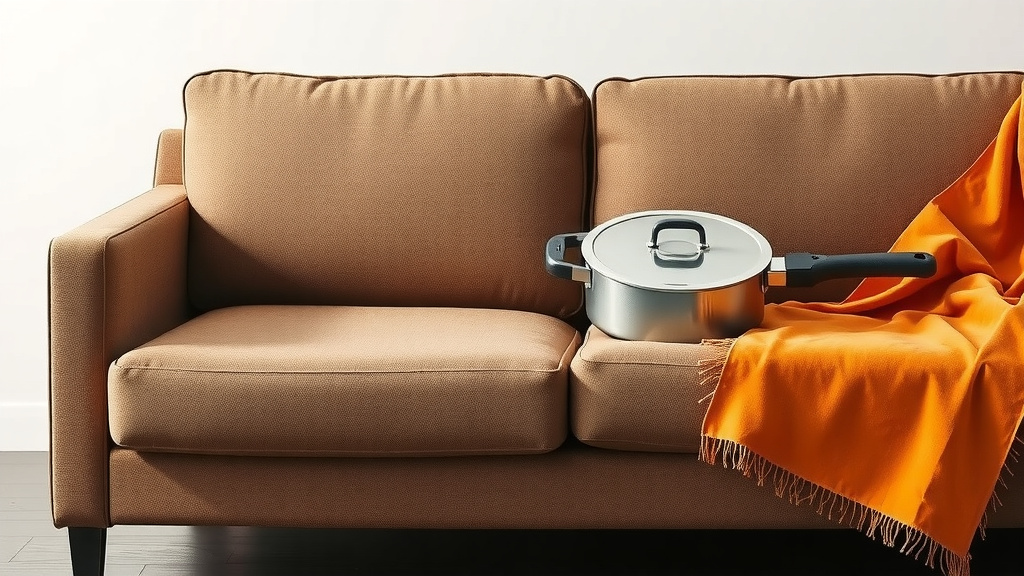
The easiest way to clean a sofa with a pot lid is to press a hot lid over a damp cloth laid on the stain. The steam loosens dirt and lifts grime right out of the fabric. It’s a simple trick that works surprisingly well.
We researched this method and found that many cleaning fans swear by it for fresh stains and everyday grime. The heat softens the mess, and the flat, wide surface of the lid spreads even pressure across the area. You also skip harsh chemicals, which is great if you have kids or pets at home. Who knew your kitchen drawer held a cleaning tool?
Here’s the quick version:
- Dampen a clean cloth and place it over the stain on your sofa.
- Heat a pot lid in hot water for a minute or two, then dry it.
- Press the warm lid firmly over the cloth for 30 seconds.
- Repeat until the stain fades, then let the area air dry.
- Always test a hidden spot first to protect your fabric.
Below, we break down everything you need to know about cleaning your sofa with a pot lid, step by step. Let’s get your couch looking fresh again.
Cleaning Your Sofa With a Pot Lid Step by Step
The whole process takes about 15 minutes. You need three things: a metal pot lid, a clean white cloth, and hot water. That’s it. No fancy sprays, no rental machine, no trip to the store.
We found that the steam-and-pressure combo works best on fresh spills, coffee rings, food smudges, and general grime. It’s less effective on old set-in stains, but it can still fade them with a few rounds.
What You’ll Need Before You Start
Gather everything first so you’re not running back and forth mid-clean. Trust us, it’s annoying.
- A metal pot lid (the heavier, the better)
- A clean white cloth or microfiber towel
- A bowl or sink of very hot water
- A dry towel for blotting
- A vacuum with an upholstery attachment
Why white cloth? Because dyes can transfer from colored fabrics onto your sofa when heat is involved. A white towel removes that risk entirely.
Step 1: Vacuum the Area First
Don’t skip this. Loose crumbs, dust, and pet hair will smear if you press a hot lid over them. Vacuum the whole cushion and the seams, where debris loves to hide.
Think of it like sweeping before you mop. Same logic, same payoff.
Step 2: Test a Hidden Spot
Heat can affect some fabrics, especially delicate ones like velvet, silk, or rayon. Pick a spot behind the sofa or under a cushion. Warm your lid, press it over a damp cloth there, and check for color change or texture damage after a few minutes.
If the fabric looks fine, you’re good to go. If not, stop here and stick with gentle blotting instead. Many fabric care guides recommend checking manufacturer tags before any heat treatment (Mayo Clinic).
Step 3: Heat and Prep the Lid
Run hot tap water over the lid or soak it in a bowl of hot water for one to two minutes. Then dry it completely with a towel. You want it warm, not scalding.
Here’s a quick rule: if the lid feels uncomfortable against your inner wrist, it’s too hot for most fabrics. Let it cool for a minute.
Why Metal Lids Work Best
Metal holds heat longer and spreads it evenly. Glass lids can work in a pinch, but they cool fast and can be awkward to grip. Flat lids give you better contact than curved ones, too.
Step 4: Press, Hold, and Repeat
Lay your damp cloth over the stain. Place the warm lid on top and press down firmly for about 30 seconds. Don’t scrub. The heat does the work while the cloth wicks the loosened grime upward.
Lift, check the cloth, and repeat. Move to a clean section of the cloth each time so you’re not pressing dirt back into the fabric. We found that three to five rounds handles most fresh stains.
How Much Pressure to Use
Firm but gentle. Imagine pressing a big book flat, not stomping on it. Too much force can push moisture deeper into the cushion, and that’s how you end up with a musty smell later.
Step 5: Dry the Spot Completely
Blot the area with a dry towel to soak up leftover moisture. Then let it air dry with good airflow. A fan on low speeds things up. Damp fabric left alone can grow mold, and indoor mold guidance from health agencies stresses keeping furnishings dry (CDC).
Which Stains Respond Best to the Pot Lid Method
Fresh, water-based stains respond best. Older or oil-based stains need extra help, sometimes with a drop of dish soap on the cloth first. Here’s a quick breakdown.
| Stain Type | How Well It Works | Extra Tip |
|---|---|---|
| Coffee or tea | Very well | Blot fresh spills first |
| Food smudges | Very well | Scrape off solids gently |
| Soda or juice | Well | Use a slightly wetter cloth |
| Grease or oil | Moderate | Add a drop of dish soap |
| Ink or marker | Poor | Try rubbing alcohol instead |
When to Skip the Pot Lid Entirely
Some situations call for a different plan. Skip this method if:
- Your sofa is velvet, silk, suede, or leather
- The care tag says “W” only with warnings about heat
- The stain is from blood, wine, or anything protein-based
- The fabric is already frayed or worn thin
For protein stains, cold water beats heat. Hot settings can actually set the stain deeper, which is the opposite of what you want.
Mistakes to Avoid When Using Heat on Upholstery
A few common slip-ups can turn a small stain into a bigger headache. Avoid these and you’ll be fine.
- Using a lid that’s hot enough to scorch the fabric
- Skipping the spot test (please don’t)
- Soaking the cloth instead of just dampening it
- Scrubbing back and forth instead of pressing straight down
- Walking away before the spot fully dries
- Reusing a dirty section of cloth
Quick Pre-Clean Checklist
Run through this list in under a minute before you press anything:
- Check the care tag under the cushion
- Spot test in a hidden area
- Confirm the lid is warm, not hot
- Use a clean white cloth
- Have a dry towel ready for blotting
- Plan for full air drying afterward
What to Do if the Stain Won’t Budge
If five rounds of steam pressing don’t help, the stain has likely set into the padding below. At that point, a store-bought upholstery cleaner or a professional cleaning service is your best bet. There’s no shame in calling in backup; some messes simply outlive the couch’s patience, and ours.
Conclusion
Your sofa doesn’t need a cabinet full of specialty sprays to look clean again. A warm pot lid, a damp white cloth, and 15 minutes can handle most fresh spills and everyday grime. The method works because heat softens messes while even pressure pulls them out, and you keep harsh chemicals away from your kids and pets. We found the biggest wins come from people who take the two-minute prep seriously: a quick vacuum, a hidden spot test, and a warm-not-hot lid. Skip those steps and you risk scorching fabric or grinding dirt deeper. So grab the lid you’d otherwise ignore, test a corner first, and press your first stain today. Your couch will thank you.
Frequently Asked Questions
How long should a pot lid stay warm to work properly?
A metal lid holds usable heat for about 30 to 60 seconds out of the water. That’s enough time for one 30-second press. If it cools before you finish a round, just reheat it.
Can I use the pot lid method on a microfiber sofa?
Often yes, but always spot test first. Microfiber handles moderate heat well, though some synthetic weaves can distort under high temperatures. Keep the lid warm rather than hot and press through the cloth, never directly on the fabric.
Why not just use an iron with a steam setting instead?
You can, but irons get much hotter and concentrate heat on a small area. That raises the risk of scorching or leaving shine marks on upholstery. A pot lid spreads gentler warmth over a wider spot, which makes it more forgiving for beginners.
Does the pot lid trick work on pet odors, not just stains?
It can help with light surface odors because the steam lifts trapped particles into the cloth. For deeper smells, like urine that has soaked into the foam, you’ll need an enzymatic cleaner or professional treatment. Heat alone won’t reach those layers.
How often can I safely use this method on the same spot?
Two to three sessions spread across a few days is a safe rhythm. Repeated heat and moisture in one sitting can weaken fibers or leave water marks. If a stain survives three separate attempts, switch to a dedicated upholstery cleaner instead.