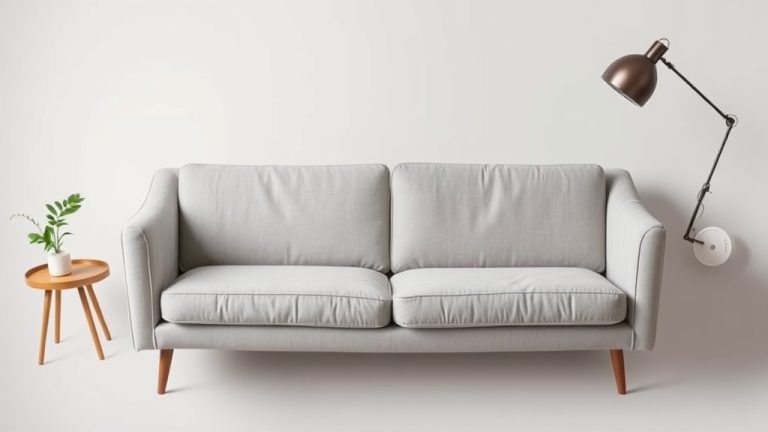
How to Clean a White Cloth Sofa: Easy Steps That Work
The easiest way to clean a white cloth sofa is to vacuum it first, then spot-clean stains with a mix of mild dish soap and warm water. Always check the manufacturer’s care tag before you start, because some fabrics need special cleaners.
White sofas look amazing, but they show every spill, smudge, and mystery mark. The good news? You don’t need fancy products or a professional cleaner to keep yours looking fresh. We researched the most reliable methods and found that regular vacuuming, quick stain treatment, and a proper deep clean every few months make all the difference.
- Check your sofa’s care tag code (W, WS, S, or X) before using any cleaner.
- Vacuum weekly to remove dust, crumbs, and pet hair.
- Blot spills right away — never rub, or you’ll spread the stain.
- Use dish soap and water for most washable fabrics.
- Keep white sofas out of direct sunlight to prevent yellowing.
Below, we break down everything you need to know about cleaning a white cloth sofa, step by step. Grab a cloth, and let’s get your sofa looking bright again!
Cleaning Your White Cloth Sofa the Right Way
The safest method is simple: identify your fabric code, vacuum thoroughly, then clean based on what that code allows. We found that most white sofas fall into one of four care categories, and each one needs a slightly different touch.
Step 1: Decode Your Sofa’s Care Tag
Flip those cushions and hunt for the tag. It’s usually tucked under the seat or along the skirt. That little label is your roadmap, so don’t skip it.
- W means water-based cleaners are safe to use.
- WS means you can use either water or a solvent cleaner.
- S means solvent only — keep water far away.
- X means vacuum only. No liquids, period.
No tag? Test any cleaner on a hidden spot, like the back corner near the floor. Wait a few hours and check for discoloration before you commit.
Step 2: Vacuum Like You Mean It
Before any wet cleaning, vacuum the entire sofa. Crumbs and dust turn into mud when they meet water, and nobody wants that. Use the brush attachment and go slowly.
Pay extra attention to the seams and crevices. That’s where crumbs, pet hair, and dust bunnies like to throw secret parties. Many experts recommend vacuuming upholstered furniture weekly to keep dust and allergens down (Mayo Clinic).
Removing Stains From a White Fabric Sofa
The fastest fix for a fresh stain is to blot it immediately with a clean, dry cloth. Speed matters more than any fancy product, so treat spills like a fire drill.
How to Handle Everyday Spills
Coffee, soda, and food stains respond well to a simple mix of a few drops of dish soap in warm water. Dip a cloth in the suds, not the soapy water itself. Blot gently from the outside of the stain toward the center.
Keep blotting with a clean, damp cloth until the stain lifts. Then pat the area dry with a towel. Never rub — rubbing pushes the stain deeper into the fibers.
Tough Stains That Need Extra Help
Some stains fight back. Here’s what research and expert guidance suggest for the stubborn ones:
| Stain Type | Best Approach |
|---|---|
| Grease or oil | Sprinkle baking soda, wait 15 minutes, vacuum, then spot-clean |
| Red wine | Blot, then dab with diluted dish soap solution |
| Ink | Dab (don’t scrub) with a cotton swab and rubbing alcohol |
| Blood | Cold water only — heat sets the stain permanently |
For “S” coded fabrics, skip all of the above and use a solvent-based cleaner in a ventilated room. Solvent fumes aren’t a joke, so open a window (NIH).
Deep Cleaning Your White Sofa
A deep clean every three to six months keeps a white sofa from turning beige without anyone’s permission. Think of it as a spa day your furniture didn’t know it needed.
Using a Steam Cleaner
If your fabric code allows water, a handheld steam cleaner works wonders. Follow the machine’s instructions and let the sofa dry completely before anyone sits down. We found that fans or an open window speed up drying a lot. Wondering when it’s safe to sit down again? Our guide to sofa drying times after cleaning explains what to expect.
DIY Cleaning Solution Recipe
Mix two cups of warm water with one teaspoon of dish soap and a splash of white vinegar. Put it in a spray bottle and lightly mist the fabric. Blot with a microfiber cloth, working in small sections.
Never soak the cushions. Wet cushions take forever to dry and can grow mold inside, which is a way bigger problem than a surface stain.

Keeping Your White Sofa Clean Longer
Prevention beats scrubbing, every single time. A few small habits keep that bright white look between cleanings, and they take almost no effort.
- Vacuum weekly so dust never settles in.
- Rotate cushions every couple of weeks for even wear.
- Treat stains within minutes, not days.
- Wash removable covers in cold water on a gentle cycle, if the tag allows.
- Use throws or slipcovers for high-traffic spots.
- Set a snack rule — sticky fingers and white fabric are enemies.
Protecting Against Yellowing and Sun Damage
White fabric yellows over time, and sunlight is a big culprit. Position your sofa away from windows or use curtains during peak sun hours. Body oils also cause yellowing, so washing cushion covers regularly helps a lot (NIH).
When to Call a Professional
If a stain resists two cleaning attempts, or your sofa is marked “X” and badly soiled, bring in a pro. Some fabrics simply aren’t DIY-friendly, and that’s okay. A professional cleaning once a year can extend your sofa’s life and save you money in the long run.
Your Quick Cleaning Checklist
Pin this list to your fridge or save it on your phone. It covers the whole routine in under a minute of reading.
- Check the care tag and fabric code.
- Vacuum cushions, seams, and crevices.
- Blot fresh stains with a dry cloth immediately.
- Spot-clean with dish soap and warm water (W or WS fabrics).
- Let the sofa dry fully before use.
- Repeat monthly, deep clean every few months.
Conclusion
Keeping a white cloth sofa bright isn’t about luck — it’s about a simple routine. Check your care tag first, vacuum weekly, blot spills the moment they happen, and give your sofa a deep clean every few months. We’ve found that consistency beats any single miracle product, and a little prevention goes a long way toward avoiding yellowing and stubborn stains. Your white sofa can absolutely stay fresh with kids, pets, and real life happening around it. So here’s your next step: flip that cushion and read the care tag today. Once you know your fabric code, the rest of the routine becomes easy.
Frequently Asked Questions
Can I use bleach on a white fabric sofa?
We don’t recommend it. Bleach can weaken fabric fibers and sometimes causes yellowing instead of whitening. Stick with mild dish soap and water for most washable fabrics, and always spot-test first.
How do I get a musty smell out of my white couch?
Sprinkle baking soda over the cushions, let it sit for a few hours, then vacuum it up thoroughly. Musty odors often mean trapped moisture, so make sure the room gets good airflow. If the smell lingers, check for hidden mold under the cushions.
Can I put my sofa cushion covers in the dryer?
It’s best to air-dry them. High heat can shrink covers so they no longer fit, and it can set any stains you missed. Lay them flat or hang them until fully dry, then put them back on.
Why is my white sofa turning yellow even after cleaning?
Sunlight, body oils, and some cleaning residue can all cause yellowing over time. Move the sofa away from direct sunlight and make sure you rinse fabrics well after cleaning. Washing removable covers regularly helps remove built-up oils.
Can I use a carpet cleaner machine on my fabric sofa?
You can, if your fabric code allows water-based cleaning. Use an upholstery attachment, go light on the water, and extract as much moisture as possible. Let the cushions dry completely before anyone sits down.