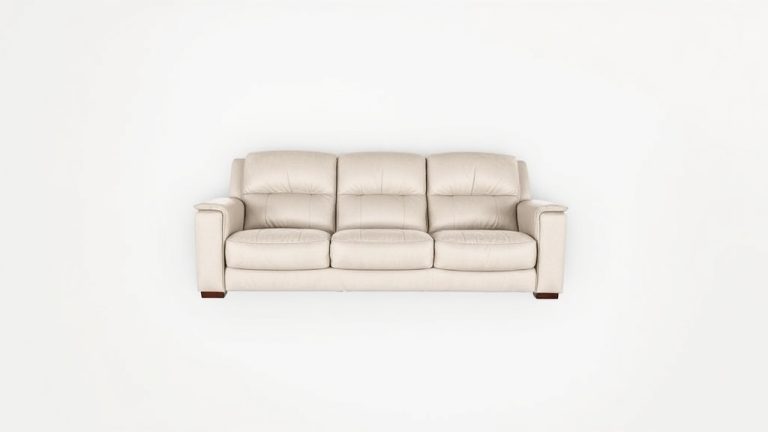
How to Clean Blood Off a Sofa: Simple Steps That Work
The easiest way to clean blood off a sofa is to blot the stain with cold water right away, then treat it with a mild dish soap solution. Never use hot water, as it sets the stain and makes it much harder to remove. Work from the outside of the stain inward to keep it from spreading.
Got a dried stain or a delicate fabric like velvet or leather? No need to panic. We researched what cleaning experts recommend, and we found that a few common household items, like baking soda, hydrogen peroxide, and enzyme cleaners, can handle even older stains. The trick is matching the method to your sofa’s fabric type.
- Always use cold water, never hot, to avoid setting the stain.
- Blot gently with a clean cloth instead of scrubbing or rubbing.
- Fresh stains come out with dish soap and cold water in most cases.
- Dried stains may need hydrogen peroxide or an enzyme cleaner.
- Always test any cleaner on a hidden spot before treating the stain.
Below, we walk you through exactly how to get blood out of your sofa, step by step, for every fabric type. Let’s get your couch looking like nothing ever happened.
Getting Blood Stains Out of Your Couch the Right Way
Before you grab anything, check your sofa’s care tag. It tells you what cleaning methods your fabric can handle. Treat it like a recipe card for your couch, because the wrong move can turn a small stain into a permanent one.
You’ll usually see one of these codes: W means water-based cleaners are fine, S means solvent only, WS means both, and X means vacuum or call a pro only. We found that skipping this step is the most common reason sofas get damaged during stain removal.
How to Remove Fresh Blood Stains
Act fast. Fresh blood is mostly water, so it lifts out easily if you catch it in the first few minutes. Think of it like a juice spill, not a crime scene.
Step-by-Step: Cold Water and Dish Soap
Here’s the method we found works on most fabric sofas:
- Dampen a clean white cloth with cold water.
- Blot the stain from the outside edge toward the center.
- Mix two cups of cold water with one tablespoon of dish soap.
- Dab the solution onto the stain and wait five minutes.
- Blot again with a dry cloth until the stain fades.
- Let the area air dry completely before sitting on it.
What Not to Do
Don’t scrub. Scrubbing pushes blood deeper into the fibers and can fray the fabric. Don’t use hot water either. Heat makes blood proteins cling to fibers like burnt egg on a pan.
Also skip club soda myths and random Pinterest hacks. Bleach and ammonia can ruin fabric dyes, and mixing certain cleaners creates dangerous fumes, according to CDC safety guidance.
How to Tackle Dried or Old Blood Stains
Older stains need a little more muscle. Dried blood bonds to fibers, so your goal is to soften it first, then lift it out. Patience beats pressure every time.
Baking Soda Paste Method
Mix one part baking soda with two parts cold water to make a paste. Spread it over the stain and let it sit for 30 minutes. Then blot it away with a damp cloth. We found this works well because baking soda gently loosens dried residue without bleaching fabric.
Hydrogen Peroxide for Stubborn Stains
For tough dried stains, 3% hydrogen peroxide can help. Dab a small amount on, wait five to ten minutes, and blot. It fizzes as it breaks down the stain.
One warning: peroxide can lighten dark fabrics. Always test it on a hidden spot first, like the back or underside of a cushion. Many experts say this step is non-negotiable (Mayo Clinic).
Enzyme Cleaners for Set-In Stains
Enzyme cleaners, the kind sold for pet stains, break down the proteins in blood. Spray a light mist, let it sit for 15 minutes, and blot. Research on enzymatic cleaning shows these products break down protein-based stains effectively (NIH).
Cleaning Blood From Leather and Vinyl Sofas
Leather is the diva of sofa fabrics. Water and harsh chemicals can dry it out or discolor it, so gentler care is essential.
- Wipe the stain with a cloth barely dampened with cold water.
- Use a tiny drop of mild soap if water alone doesn’t work.
- Wipe away any soap residue with a second damp cloth.
- Apply leather conditioner after the spot dries.
Never soak leather. Excess moisture can cause cracking and water spots that look worse than the original stain.
Special Fabrics: Velvet, Suede, and Delicate Upholstery
Velvet and suede need the softest touch. Use minimal moisture and always blot, never rub. Rubbing crushes the nap and leaves a shiny patch you can’t fix. Our easy guide to cleaning a velvet sofa shows how to protect the nap while lifting stains.
If your sofa has an X code or a delicate fabric like silk blends, we recommend calling a professional upholstery cleaner. It costs more up front, but it’s cheaper than replacing a cushion.
Dealing With Stains on Your Mattress or Fabric Cushions
Sometimes the blood ends up beyond the sofa cover. Removable cushion covers are your best friend. Check the label, wash in cold water, and air dry. Heat from a dryer can set any leftover stain for good.
For foam cushions, blot the cover and spot-treat the foam underneath sparingly. Foam holds moisture, and trapped dampness can lead to mold, which the EPA warns about for household surfaces.
Safety First: Handling Blood on Household Surfaces
Blood can carry pathogens, so treat any spill with basic caution. The CDC recommends wearing disposable gloves when cleaning up blood, even small amounts.
- Wear disposable gloves if the blood isn’t yours.
- Use a disinfectant on the area after stain removal.
- Seal soiled cloths or paper towels in a plastic bag.
- Wash your hands thoroughly when you’re done.
It’s not about panic. It’s just smart hygiene, the same way you’d handle raw chicken juice on the counter.
When to Call a Professional Cleaner
Sometimes DIY isn’t enough. Call a pro if the stain covers a large area, soaks through to the padding, or keeps resurfacing after drying. Blood that reaches the foam inside a cushion often needs professional extraction equipment.
Also call a pro if your tag says X, or if you’ve already tried two methods without success. More scrubbing won’t help at that point. It’ll only frustrate you and wear out the fabric.
Quick Checklist Before You Start
- Check your sofa’s care tag code (W, S, WS, or X).
- Gather cold water, white cloths, and dish soap.
- Test any cleaner on a hidden spot first.
- Put on gloves if the blood isn’t yours.
- Blot from the outside in, never scrub.
- Air dry the area completely before using the sofa.
How to Keep Stains From Coming Back
Residual stains sometimes reappear as faint rings after drying. This happens when soap residue dries in the fabric. If you see a ring, dampen the area lightly with cold water and blot again to flush out the leftover soap.
We found that rinsing twice and drying evenly prevents most ghost stains. Place a fan nearby to speed up drying, and your sofa will look like the whole thing never happened.
| Fabric Type | Best Method | Avoid |
|---|---|---|
| Fabric (W code) | Cold water and dish soap | Hot water, bleach |
| Solvent-only (S code) | Dry cleaning solvent | Water-based cleaners |
| Leather | Damp cloth, mild soap, conditioner | Soaking, harsh chemicals |
| Velvet/Suede | Minimal moisture, gentle blotting | Rubbing, steam |
| Old dried stains | Enzyme cleaner or peroxide (test first) | Scrubbing, heat |
Conclusion
Blood stains look dramatic, but they’re rarely permanent if you move quickly and stay gentle. The winning formula is simple: cold water, patient blotting, and a cleaner matched to your fabric’s care tag code. For dried stains, baking soda paste, hydrogen peroxide, or an enzyme cleaner can save the day, just remember to test first. Leather and velvet need extra care, and some stains truly are better left to a professional.
Your next step? Flip up a cushion and check that care tag right now, before you ever need it. Knowing your code (W, S, WS, or X) turns a stressful stain into a two-minute fix later.
Frequently Asked Questions
Does blood come out of a sofa permanently?
Usually, yes, if you treat it while it’s fresh with cold water and dish soap. We found that even older stains often respond to enzyme cleaners or baking soda paste. The exceptions are stains that have soaked into the foam padding or fabrics that react badly to water, like silk blends.
Can I use salt or hydrogen peroxide on blood stains?
Salt can help on fabric, but we found it often leaves a gritty residue that’s annoying to remove. Hydrogen peroxide (3%) works well on stubborn stains, but it can lighten dark fabrics. Always test it on a hidden area first and blot sparingly.
Why did my stain come back after it dried?
That faint ring is usually soap residue, not the blood itself. Flushing the spot lightly with cold water and blotting again removes it. Rinse twice and dry the area evenly with a fan to keep it from happening again.
How do I get blood out of a sofa cushion without washing the whole cover?
Spot-treat the affected area with cold water and a small amount of dish soap, blotting from the outside in. Only dampen the stained section so the surrounding fabric doesn’t develop water spots. If the blood soaked through, unzip the cover and treat the foam underneath gently, then let it dry completely.
Is it safe to clean someone else’s blood off my couch?
Treat it with caution. The CDC recommends wearing disposable gloves whenever you handle blood that isn’t yours, since it can carry pathogens. Seal used cloths in a plastic bag, disinfect the area afterward, and wash your hands well.