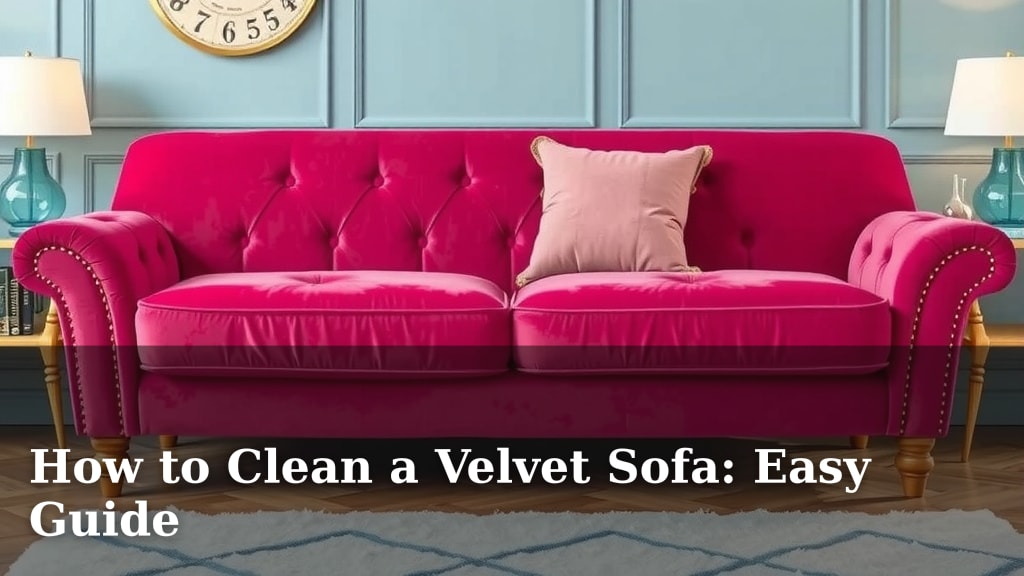
How to Clean a Velvet Sofa: Easy Guide
The easiest way to clean a velvet sofa is to gently blot stains with a clean cloth and a mild cleaning solution. You should always test your cleaner in an inconspicuous spot first. Velvet can be tricky, but with the right approach, you can keep your sofa looking fabulous.
We know how much you love your plush velvet sofa. Keeping it fresh and free from spills and dust is important for its longevity. Many homeowners worry about damaging the delicate fabric, but with a few simple steps, you can tackle most cleaning jobs effectively. It’s about knowing the right techniques for different types of velvet and stains.
TL;DR:
- Blot, don’t rub, for spills.
- Use a mild soap and water mixture.
- Test cleaners on a hidden spot.
- Vacuum regularly to remove dust.
- Consider professional cleaning for tough stains.
Ready to give your velvet sofa some TLC? Let’s walk through exactly how to tackle common cleaning challenges and keep it looking its best.
Caring for Your Velvet Sofa: A Simple Cleaning Guide
Keeping your velvet sofa looking its best doesn’t have to be a daunting task. With a few smart strategies, you can handle most spills and everyday grime. We’ve gathered the best advice to help you protect your investment and keep that luxurious feel. It’s all about being gentle and using the right approach for this unique fabric.
Understanding Your Velvet Fabric
Velvet isn’t just one type of material. Different fibers create different velvets. Understanding the base material can help you choose the best cleaning method. Most modern velvet sofas are made from synthetic fibers like polyester or nylon. These are generally more durable and easier to clean than older silk or cotton velvets. Some velvets have a short, dense pile, while others might have a longer, more textured effect. Always check the manufacturer’s care tag if you have it. It’s your best friend for specific instructions.
Identifying Velvet Types
You might encounter a few common types of velvet. Crushed velvet has an intentionally wrinkled look. It’s created by:`crushing` the pile during manufacturing. This can hide minor stains well. Panne velvet has a lustrous, high-sheen finish. It’s often used for more formal pieces. Chenille velvet has a softer, fuzzier texture. It can sometimes look like a loop pile fabric. Knowing your velvet helps you avoid common mistakes. For instance, some velvets are more sensitive to water than others.
Daily Maintenance for a Pristine Sofa
Preventing major messes is half the battle. Regular upkeep keeps your sofa looking fresh and reduces the need for deep cleaning. Think of it as a spa day for your furniture. A little bit of care goes a long way in preserving its beauty.
The Power of the Vacuum
Dust and pet hair are velvet’s arch-nemesis. They can settle into the pile and make the fabric look dull. You should vacuum your sofa at least once a week. Use the upholstery attachment on your vacuum cleaner. This attachment is designed to be gentle. It has a brush that lifts the pile. Always vacuum in the direction of the nap. The nap is the way the fibers lie. You can usually feel it with your hand. Going against the nap can damage the fibers over time.
Brushing for Pile Recovery
Sometimes, the velvet pile can get flattened. This is especially true in areas where people sit often. A soft-bristled brush can help. After vacuuming, gently brush the fabric. Brush in different directions to help lift the pile. This restores the plushness and depth of color. It’s like fluffing a pillow, but for your sofa.
Tackling Spills and Stains: A Gentle Approach
Accidents happen. When they do, act fast! The quicker you address a spill, the easier it will be to remove. Rubbing a spill will only push it deeper into the fabric. It can also damage the delicate fibers. Blotting is your best bet. Use a clean, white cloth or paper towel.
Liquid Spills: The Blotting Method
For most liquid spills, grab a clean, dry cloth immediately. Gently blot the spill from the outside in. This prevents the stain from spreading. Continue blotting with fresh sections of the cloth. You want to absorb as much liquid as possible. Don’t press too hard. You’re trying to lift the liquid, not push it down.
Food Stains and Grime
For dried-on food or more stubborn spots, you’ll need a mild cleaning solution. A common recommendation is a mix of mild dish soap and water. Combine a few drops of clear dish soap with a cup of cool water. You can also use a specialized upholstery cleaner. Many fabric care guides suggest this simple solution.
Testing Your Cleaning Solution
Before applying any cleaner to the stained area, test it first. Find an inconspicuous spot on your sofa. This might be on the back or under a cushion. Apply a small amount of the solution. Let it sit for a few minutes. Then, blot it dry. Check for any color change or damage. If the spot looks good, you can proceed.
Applying the Cleaner
Dampen a clean, white cloth with your chosen solution. Wring out the cloth well. You want it damp, not soaking wet. Gently blot the stained area. Work from the outside of the stain towards the center. Avoid saturating the fabric. Too much moisture can lead to watermarks. Repeat this process as needed.
Rinsing and Drying
Once the stain is gone, you need to remove any soap residue. Dampen a separate clean cloth with plain water. Blot the area again to rinse. Then, use a dry cloth to blot up any excess moisture. Allow the area to air dry completely. You can use a fan to speed up the process. Avoid using heat, as it can damage the velvet.

Dealing with Specific Velvet Issues
Some problems require a slightly different touch. Whether it’s a sticky residue or an odor, there are ways to address them. Think of these as special treatments for your sofa.
Grease Stains
For greasy spots, baking soda or cornstarch can work wonders. Sprinkle a generous amount of baking soda or cornstarch directly onto the grease stain. Let it sit for at least 30 minutes, or even overnight. These powders help absorb the oil. Afterward, vacuum up the powder. You might need to repeat this process for tough grease stains.
Pet Accidents and Odors
Pet accidents need immediate attention. For fresh accidents, blot up as much as possible. Then, use a solution of equal parts white vinegar and water. Vinegar is a natural deodorizer and cleaner. Spray the solution lightly onto the affected area. Let it sit for a few minutes, then blot dry. Ensure the area dries completely to prevent lingering odors. Many pet odor removers are safe for upholstery, but always test first.
When to Call the Professionals
Sometimes, a stain is just too stubborn. Or perhaps you have a very delicate or antique velvet sofa. In these cases, professional cleaning is the best option. They have specialized equipment and knowledge. They can assess the fabric and use appropriate methods. This is especially true for large or deeply set stains. Don’t risk damaging your beautiful sofa if you’re unsure. A professional can restore its look without harm.
Choosing a Professional Cleaner
Look for cleaners experienced with upholstery. Ask if they have specific experience with velvet. Request a quote beforehand. A good cleaner will explain their process. They can give you an estimate of the results. This ensures you’re both on the same page. It’s an investment in keeping your sofa looking great for years.
Your Velvet Sofa Cleaning Checklist
Here’s a quick recap to help you keep your velvet sofa in top shape:
- Vacuum regularly: At least once a week with an upholstery attachment.
- Blot spills immediately: Never rub them.
- Test cleaners first: Always on an inconspicuous spot.
- Use mild solutions: Soap and water or vinegar and water are great.
- Brush the pile: To restore softness and appearance.
- Consider professional help: For tough stains or delicate fabrics.
Conclusion
You’ve learned how to keep your velvet sofa looking its best. Remember, gentle blotting is key for spills. Regular vacuuming and brushing help maintain the pile. Always test cleaning solutions in a hidden spot. For tough stains or delicate fabrics, professional cleaning is a wise choice. By following these simple steps, you can ensure your velvet sofa remains a beautiful and comfortable centerpiece in your home for years to come. Now, go forth and give your sofa that well-deserved spa treatment!
Frequently Asked Questions
Can I use a steam cleaner on my velvet sofa?
Generally, it’s best to avoid steam cleaning velvet unless the manufacturer’s care tag specifically allows it. Excessive heat and moisture can damage the delicate fibers and distort the pile, potentially causing permanent matting or water stains. Stick to gentler methods like blotting and approved upholstery cleaners.
What’s the best way to remove watermarks from velvet?
Watermarks can be tricky. Try gently brushing the affected area with a soft-bristled brush once it’s completely dry. You can also try lightly steaming the area from a distance (not directly touching the fabric) and then immediately brushing the pile to help lift it. Test this method on an inconspicuous spot first.
Is it safe to use rubbing alcohol on velvet?
Rubbing alcohol is often recommended for ink stains or certain types of dye. However, it can be quite harsh on velvet. If you must use it, dilute it with water and always, always test it on a hidden area first. Be prepared for potential color loss or fabric damage.
How often should I deep clean my velvet sofa?
Deep cleaning isn’t usually necessary for velvet sofas with regular maintenance. Focus on weekly vacuuming and spot cleaning spills as they happen. A professional cleaning might be beneficial every 1-2 years, or sooner if you notice significant build-up or have very stubborn stains that you can’t remove yourself.
My velvet sofa has flattened areas where we sit most. How can I fix this?
Flattened pile is common in high-traffic areas. After vacuuming, use a soft-bristled upholstery brush to gently lift the fibers. Brush in different directions to help restore the pile’s loft and texture. You might need to do this periodically to keep the sofa looking plush and even.


![10 Best Cheap Sofas Online [2026]](https://hometopaccesories.com/wp-content/uploads/2026/09/10-best-cheap-sofas-online-2026-featured-768x432.jpg)
![10 Best Air Mattress Sleeper Sofa [2026]](https://hometopaccesories.com/wp-content/uploads/2026/08/10-best-air-mattress-sleeper-sofa-2026-featured-768x432.jpg)

![10 Seater Sofa [2026]](https://hometopaccesories.com/wp-content/uploads/2026/08/10-seater-sofa-2026-featured-2-768x432.jpg)