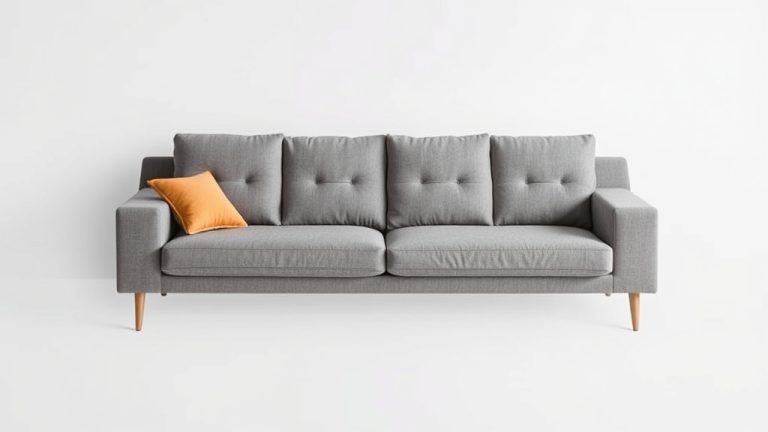
How to Clean a Burrow Sofa: A Step-by-Step Care Guide
The easiest way to clean a Burrow sofa is to vacuum it regularly, spot clean stains with mild soap and water, and remove the covers for a deeper wash when needed. Most Burrow sofas come with removable, machine-washable covers, which makes the whole process much simpler than you’d expect. No fancy equipment required.
Here’s the thing: life happens on the couch. Spilled coffee, pet hair, snack crumbs — it all adds up. That’s why we put together this guide after researching Burrow’s official care instructions and upholstery cleaning best practices from home care experts. We found that a mix of regular maintenance and quick spot cleaning keeps these sofas looking new for years.
- Vacuum weekly to lift dust, crumbs, and pet hair before they settle in.
- Spot clean stains fast with mild soap and a damp cloth — blot, don’t rub.
- Remove and wash covers when your fabric type allows it.
- Avoid harsh chemicals that can damage the fabric or fade the color.
- Check the care tag first so you know exactly what your sofa can handle.
Sound doable? We think so too. Below, we break down everything you need to know about cleaning your Burrow sofa step by step, so you can get back to lounging on a couch that actually looks and feels fresh.
Cleaning Your Burrow Sofa the Right Way
The best routine is simple: vacuum weekly, blot spills right away, and wash the removable covers a few times a year. That’s it. Burrow built their sofas with machine-washable covers on purpose, so lean into that design.
We found that people who follow a light, consistent routine spend way less time deep cleaning later. Think of it like brushing your teeth — small effort now, big payoff later.
Know Your Fabric Before You Start
Not all Burrow upholstery is the same, and the fabric type decides what cleaning method is safe. Check the care tag under a cushion before anything else.
Many manufacturers use cleaning codes on furniture tags. Here’s a quick rundown of what the letters mean.
| Code | Meaning | Safe Method |
|---|---|---|
| W | Water-based cleaners okay | Mild soap and water |
| S | Solvent only | Dry cleaning solvent |
| WS | Either works | Soap, water, or solvent |
| X | Vacuum only | No liquids at all |
When in doubt, test any cleaner on a hidden spot first. A patch test takes two minutes and can save your cushions from a permanent water ring.
Gather Your Supplies First
You probably own most of this already. Here’s your cleaning kit:
- Vacuum with an upholstery brush attachment
- Mild dish soap or gentle laundry detergent
- Two clean microfiber cloths (one damp, one dry)
- Lukewarm water in a bowl or spray bottle
- Baking soda for odors
- A soft-bristle brush for stubborn spots
Skip the bleach, ammonia, and harsh all-purpose sprays. They can strip the color and weaken the fibers over time.
Step One: Vacuum Like You Mean It
Start with a full vacuum pass. Pull off the cushions and get into every crack and crevice — that’s where the crumbs live.
Where Dust and Crumbs Hide
Pay extra attention to seams, the backrest gap, and the sides of the arms. Use the crevice tool for those tight spots.
Many experts recommend vacuuming upholstery at least weekly, especially in homes with pets or kids (CDC). It keeps allergens and dust mites from building up in the fabric.
Don’t Forget the Underside
Flip the cushions and give the deck underneath a quick pass. You might find a lost remote down there. Happens to the best of us.
Step Two: Spot Clean Stains the Smart Way
Blot, don’t rub. Rubbing pushes the stain deeper into the fibers and spreads it around.
Water-Based Stains
For coffee, soda, or juice, mix a drop of mild soap into warm water. Dab it on with a cloth, then blot dry with a second cloth. Work from the outside edge inward so the stain doesn’t grow.
Grease and Oil Stains
Sprinkle baking soda on the spot and let it sit for 15 minutes to absorb the oil. Vacuum it up, then treat what’s left with your soap solution.
Pet Accidents
Blot up as much as possible, then use an enzyme-based cleaner made for pet messes. These break down odor-causing proteins instead of just masking them. Follow the product directions and let it air dry fully.
Step Three: Remove and Wash the Covers
This is where Burrow sofas shine. Unzip the covers, check the care tag, and wash on a gentle cycle with cold water.
Washing Tips That Protect the Fabric
- Wash covers alone, not with towels or jeans
- Use cold water and a gentle cycle
- Use a mild detergent, half the normal amount
- Never use the dryer — air dry only
- Put covers back on while slightly damp for a smooth fit
We found that air drying is the step people skip most, and it’s the one that prevents shrinking. Heat and upholstery fabric don’t mix well.
Step Four: Deodorize and Freshen Up
Sprinkle baking soda over the cushions and frame, let it sit for 15 to 20 minutes, then vacuum it away. It’s cheap, gentle, and works wonders on lingering smells.
Good airflow helps too. Opening a window near the sofa keeps moisture and odors from settling in.
Cleaning Other Burrow Sofa Parts
The Wood Legs and Frame
Wipe wooden legs and arm accents with a barely damp cloth, then dry them right away. Never soak wood — it can warp or dull the finish.
Metal Hardware and Connectors
A dry microfiber cloth handles dust on the latches and connectors. If something feels sticky, use a slightly damp cloth and dry it after.
How Often Should You Clean Your Sofa?
Here’s a schedule that keeps things manageable without turning you into a couch-cleaning fanatic.
Your Quick Cleaning Checklist
- Vacuum cushions and frame every week
- Blot spills the moment they happen
- Rotate and flip cushions monthly
- Deodorize with baking soda every 2 months
- Wash removable covers every 3 to 6 months
- Deep clean the whole sofa twice a year
Many guidelines suggest deep cleaning upholstered furniture at least twice a year, and more often if pets share the space (NIH).
Mistakes That Can Ruin Your Upholstery
A few common slip-ups cause most of the damage we hear about. Avoid these and your sofa will thank you.
- Using hot water or high heat — it can shrink covers for good
- Rubbing stains instead of blotting them
- Saturating the fabric until water soaks into the foam
- Skipping the patch test on a hidden area
- Reattaching covers before they’re fully dry, which can trap mildew
Damp foam is a breeding ground for mold and mildew, and many health sources warn that indoor mold can trigger allergies and breathing issues (CDC). Let everything dry completely before reassembly.
Keeping Pet Hair Under Control
If you share your couch with a furry friend, a lint roller and a rubber glove are your best friends. Run a slightly damp rubber glove over the cushions — the hair clumps right up.
Vacuuming weekly plus a throw blanket on your pet’s favorite spot cuts the hair problem in half. Many experts say prevention beats cleanup every time (Mayo Clinic).
When to Call a Professional
Sometimes DIY isn’t enough. If you’re dealing with an “S” code fabric, deep-set odors, mold growth, or a stain that survived two cleaning attempts, bring in a professional upholstery cleaner.
pros have steam equipment and solvents that are safe for delicate fabrics. A once-a-year professional cleaning can also extend the life of your sofa, which is cheaper than buying a new one. Ask us how we know… or maybe just take our word for it.
Conclusion
Cleaning your Burrow sofa doesn’t need to be a weekend project. Vacuum weekly, blot spills as they happen, and wash those removable covers on gentle a few times a year. That’s the whole routine. We found that the biggest difference comes down to two habits: acting fast on stains and always air drying covers instead of using heat. Do those, and your sofa stays fresh for the long haul. Your next step is simple — flip up a cushion, check your care tag, and give the couch a quick vacuum tonight. Future you, lounging on a clean sofa, will be glad you did.
Frequently Asked Questions
Can I put Burrow sofa covers in the dryer?
We don’t recommend it. Dryer heat can shrink the covers and make them tough to fit back on the cushions. Air drying is the safer bet, and reattaching covers while slightly damp helps them smooth out nicely.
Can I use vinegar to clean my Burrow sofa?
A diluted white vinegar solution can help with odors on water-safe fabrics, but it’s not our first choice for stains. Always patch test in a hidden spot first, and skip vinegar entirely if your care tag shows an “S” code.
How do I clean a Burrow sofa without removing the covers?
Vacuum thoroughly, spot clean with mild soap and a damp cloth, and deodorize with baking soda. This works well for regular upkeep. Just blot gently and avoid soaking the fabric so water doesn’t reach the foam underneath.
Why does my Burrow sofa cover fit poorly after washing?
Shrinkage from heat is the most likely culprit, but covers put back on bone dry can also look loose or wrinkled. The fix is reattaching them while slightly damp and smoothing them into place as they finish drying.
Does Burrow sell replacement covers?
Yes, Burrow offers replacement and spare covers for many of their sofa models, which is handy if a cover gets stained beyond saving. Check their website or contact their support team to confirm availability for your specific fabric and color.