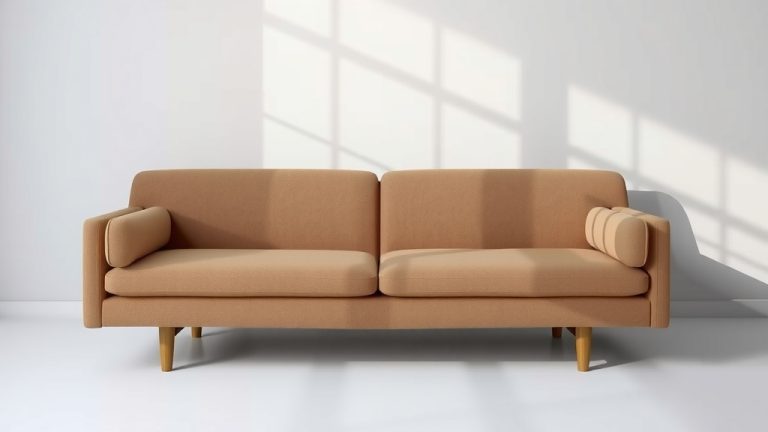
How to Clean a Darcy Sofa: Easy Steps for a Fresh Look
The easiest way to clean a Darcy sofa is to vacuum it thoroughly, spot-clean stains with a mild detergent and water, and let it air dry. Most Darcy sofas have removable, washable cushion covers, which makes deep cleaning much simpler than you might expect. In this guide, we break down each method so you can pick the right one for your mess.
Here’s the thing: spills, pet hair, and everyday dust build up faster than we’d like to admit. Many experts say regular vacuuming is the single best way to keep upholstery looking new. And if you check your sofa’s care tag first, you’ll avoid the classic mistake of using water on a fabric that hates it. We researched cleaning methods recommended by upholstery pros and found that a few simple steps go a long way.
- Vacuum weekly to remove crumbs, dust, and pet hair before they settle in.
- Check the care tag — it tells you if your covers are machine washable or spot-clean only.
- Spot-clean spills fast using mild soap, water, and a clean cloth.
- Wash removable covers on a gentle cycle with cold water, then air dry.
- Baking soda works wonders for odors — sprinkle, wait 15 minutes, vacuum it up.
Below, we walk through exactly how to clean your Darcy sofa step by step, no matter what it’s up against. Ready to make it look brand new again?
Cleaning Your Darcy Sofa Step by Step
Your Darcy sofa can go from “meh” to fresh in about an hour. The trick is working in the right order: vacuum first, then treat stains, then wash covers if you have them. Skip a step and you’ll just push dirt deeper.
Step 1: Vacuum Every Surface
Start by removing the cushions and vacuuming the frame underneath. You know that land of lost French fries down there? Time to evict them. Use the brush attachment on the arms, back, and base.
Many experts recommend vacuuming upholstery weekly to cut down on dust and allergens (CDC). Go slow. Two passes beat one rushed swipe every time.
- Use the crevice tool along seams and stitching.
- Vacuum both sides of loose cushions.
- Don’t forget the underside and back of the sofa.
Step 2: Spot-Clean Stains the Right Way
Blot first, always. Rubbing a stain is like grinding mud into carpet — it spreads and sets. Dab with a clean white cloth from the outside of the stain toward the center.
Mix a few drops of mild dish soap into a cup of cool water. Dip your cloth, wring it well, and blot. Then blot again with plain water to rinse out the soap.
Dealing with Grease Stains
Sprinkle baking soda or cornstarch on greasy spots and let it sit for 15 minutes. It absorbs the oil like a sponge. Vacuum it up, then treat what’s left with your soap solution.
Handling Ink or Wine
Dab rubbing alcohol on ink marks using a cotton ball. For red wine, blot immediately and hit it with the soap mix before it dries. Timing matters more than any fancy product.
Step 3: Wash Removable Cushion Covers
If your care tag shows a “W” or says machine washable, unzip those covers and toss them in. Use cold water and a gentle cycle. Hot water can shrink fabric, and nobody wants a cushion that won’t fit its cover anymore. Our step-by-step guide to washing sofa covers walks through the whole process from label check to air drying.
Here’s what we found researching common washing mistakes: people add fabric softener, and it leaves residue that attracts more dirt. Skip it. Air dry the covers instead of using the dryer — heat is the enemy of fitted covers.
- Zip zippers halfway to protect the teeth.
- Wash covers separately from other laundry.
- Put covers back on while slightly damp for a smooth fit.
Deodorizing and Deep Freshening
Odors settle into fabric like unwanted houseguests. The fix is simple and cheap: baking soda. Sprinkle it across the cushions and base, let it sit for 15 to 20 minutes, then vacuum thoroughly.
For a deeper refresh, some people add a few drops of essential oil to the baking soda before sprinkling. Test it on a hidden spot first, just to be safe.
Freshening Without Washing
Not every sofa has removable covers. If yours doesn’t, a light steam from a handheld garment steamer can lift odors and kill dust mites. Keep the steamer moving so you never soak one spot.
Many cleaning guides warn against over-wetting upholstery, since trapped moisture leads to mold (Mayo Clinic). A damp sofa should dry within a few hours. If it takes longer, something went wrong.
Stain and Method Quick Reference
Not sure what to use on what? This table keeps it simple.
| Mess | Best Fix | What to Avoid |
|---|---|---|
| Food crumbs | Vacuum with brush head | Pressing them deeper |
| Soda or juice | Blot, then mild soap and water | Scrubbing hard |
| Grease or oil | Baking soda, then soap solution | Hot water |
| Ink | Dab of rubbing alcohol | Bleach |
| Pet odors | Baking soda soak, then vacuum | Heavy perfumes |
| Dust and allergens | Weekly vacuuming | Skipping under cushions |
Tackling Pet Hair and Dander
Pet hair clings to upholstery like it pays rent. A rubber glove or a slightly damp rubber squeegee pulls it right up. Run your hand across the fabric and watch the hair ball up.
We found that a lint roller works great for quick touch-ups, while the rubber glove method handles bigger areas. Vacuum after to catch anything left behind.
Keeping Dander Down Between Cleanings
Regular pet brushing makes a bigger difference than people expect. Less loose hair means less hair on the sofa. Simple math, happier couch.
Your Quick Sofa Cleaning Checklist
Pin this list somewhere handy. Six steps, one clean sofa.
- Remove cushions and vacuum the frame and crevices.
- Vacuum all fabric surfaces with the brush attachment.
- Blot fresh stains immediately with a clean cloth.
- Spot-clean with mild soap and cool water.
- Sprinkle baking soda for odors, wait, then vacuum.
- Wash removable covers on cold, gentle cycle, and air dry.
Common Mistakes to Avoid
The biggest mistake? Ignoring the care tag. Those little letters — W, S, WS, X — are instructions, not decoration. An “X” means water-free cleaning only, and ignoring it can ruin the fabric.
Another trap: soaking the fabric. Upholstery isn’t a pair of jeans. It needs to dry fast, or mold moves in. Many health sources note that damp indoor fabrics can harbor mold and mildew (CDC).
Products to Skip Entirely
Bleach, ammonia, and harsh all-purpose cleaners are too strong for most sofa fabrics. They can fade color and weaken fibers. Stick to mild soap, water, or cleaners made for upholstery.
One more thing we found while researching: people often scrub stains with paper towels until the fabric pills. Use a soft cloth instead. Your sofa will thank you by lasting years longer.
Conclusion
Cleaning your Darcy sofa comes down to three habits: vacuum often, blot spills fast, and check the care tag before anything wet touches the fabric. Washable covers make deep cleaning easy, and a box of baking soda handles most odors for pennies. The mistakes to avoid are just as important — skip the bleach, skip the scrubbing, and never soak the cushions. We found that a little consistent care beats an occasional heroic deep clean every time. Your sofa works hard for you, and it deserves an hour of attention. So here’s your next step: grab your vacuum, lift those cushions, and give your Darcy the quick once-over it’s been waiting for. You’ll be surprised how fresh it feels by tonight.
Frequently Asked Questions
How often should I clean my Darcy sofa?
A quick vacuum once a week keeps dust and crumbs from settling in. Plan a deeper cleaning — including covers and deodorizing — every three to six months. Homes with pets or kids usually need the deeper session more often.
Can I put Darcy sofa covers in the dryer?
We don’t recommend it. Dryer heat can shrink the fabric and warp the fit, leaving you with covers that won’t zip back on. Air drying is slower but keeps everything the right size.
What do the letters W, S, WS, and X on my care tag mean?
W means water-based cleaners are safe, S means solvent-only, and WS means either works. X means vacuum only — no liquids at all. Following those letters protects your fabric from permanent damage.
My Darcy sofa still smells after cleaning. What should I do?
Trapped moisture is often the culprit, so make sure everything dried fully. Then try a second round of baking soda with a longer wait time — up to an hour. If odors linger, a handheld garment steamer can lift smells from deep in the fibers.
Is it safe to use carpet cleaner on my sofa?
Most carpet cleaners are too harsh for upholstery and can leave residue that attracts dirt. Stick with mild dish soap and water, or buy a product labeled for upholstery. When in doubt, test it on a hidden spot first.