How to Clean a Faux Suede Sofa Without Damaging It
The easiest way to clean a faux suede leather sofa is to brush gently with a soft-bristle brush, treat stains with a small amount of rubbing alcohol on a clean cloth, and let the area air dry. No soaking, no harsh cleaners, and no panic required. That’s really it.
Faux suede looks great but stains fast. The good news? It’s actually easier to care for than real suede, and most spills come out with stuff you already have at home. Many experts say the biggest mistake people make is using too much water, which can leave marks or stiffen the fabric. Our guide to cleaning a sofa without soaking it shows how to lift stains with minimal moisture.
Here’s the quick version before we get into the details:
- Brush weekly to keep the nap smooth and remove loose dirt.
- Blot spills right away — never rub, or you’ll spread the stain.
- Use rubbing alcohol or a suede-safe cleaner for most stains.
- Avoid water and heat, which can damage the fabric’s texture.
- Vacuum with a soft brush attachment for crumbs, dust, and pet hair.
Below, we walk you through exactly how to clean your faux suede sofa step by step — plus a few tricks we found for stubborn stains and keeping it looking new.
Cleaning Your Faux Suede Leather Sofa the Right Way
Start with the brush, then move to spot treatment, and finish with a light vacuum. That order matters more than you’d think. Faux suede has a soft, fuzzy surface called the “nap” — think of it like the fur on a cat. If you rub it the wrong way, it gets grumpy and stays that way.
Before you grab anything, check your sofa’s care tag. Many manufacturers list a cleaning code (more on that below). If yours says “W” or “S/W,” you have a bit more freedom. If it says “S,” stick to dry or solvent-based methods.
Step-by-Step: Your First Full Cleaning
Step 1: Vacuum Everything
Use your vacuum’s soft brush attachment. Go over the cushions, seams, and that mysterious crack where the remote lives. Vacuuming first stops loose dirt from turning into mud when you brush later.
Keep the suction low if you can. High power can pull at the fabric’s texture. Our guide to vacuuming a sofa covers which attachments and suction settings are safest for delicate fabrics.
Step 2: Brush the Nap Gently
A soft-bristle brush or even a clean toothbrush works here. Brush in one direction, lightly. This lifts the fibers and brings back that velvety look.
Miss this step and your sofa can end up looking patchy — like a bad haircut you can’t undo.
Step 3: Spot Clean Stains
Dampen a clean white cloth with a little rubbing alcohol. Blot the stain from the outside in. Never pour alcohol directly on the sofa — you want the cloth doing the work, not a puddle.
Let the area air dry completely. Alcohol evaporates fast, which is exactly why it’s a favorite for water-shy fabrics.
Step 4: Restore the Texture
Once dry, give the spot another gentle brush. If the fabric feels stiff, experts suggest lightly steaming from a distance and brushing again. Don’t hold an iron or steamer close to the surface.
What Those Cleaning Codes on Your Tag Mean
That random letter on your sofa’s tag isn’t decoration. It tells you what cleaners are safe. Here’s a quick guide we put together:
| Code | What It Means | What You Can Use |
|---|---|---|
| W | Water-based cleaning is fine | Mild soap, damp cloth |
| S | Solvent cleaning only | Rubbing alcohol, suede cleaner |
| S/W | Either method works | Water or solvent, used lightly |
| X | Vacuum or brush only | No liquids at all |
No tag? Test any cleaner on a hidden spot first, like the back of a cushion. Wait a few minutes and check for color changes.
Removing Common Stains Without Ruining the Fabric
Different messes need different moves. Here’s how to handle the usual suspects.
Food and Drink Spills
Blot immediately with a dry cloth. Press down — don’t scrub. Scrubbing pushes the stain deeper, like rubbing a marker into carpet.
For coffee, soda, or wine, follow with the alcohol-and-cloth method. Let it dry, then brush.
Grease and Oil Spots
Sprinkle a small amount of baking soda or cornstarch on the spot. Let it sit for a few hours so it can absorb the oil, then vacuum it away. Many cleaning guides recommend this trick for oily marks on suede-like fabrics.
Repeat once if needed. Patience beats elbow grease here.
Ink and Marker
Dab — don’t drench — with alcohol on a cotton ball. Work from the edges toward the center so the ink doesn’t spread. It may take several light passes.
Permanent marker is stubborn. If it won’t budge, a professional cleaner is your safest bet.
Pet Hair and Dander
A rubber pet hair brush or a slightly damp rubber glove works wonders. Wipe in short strokes and watch the hair ball up. Then vacuum.
Regular pet hair removal also helps with odor and allergens. The CDC notes that controlling pet dander on surfaces can help reduce allergy symptoms in the home.
What to Avoid at All Costs
Some mistakes can’t be fixed. Skip these and your sofa will thank you:
- Soaking the fabric — water can leave rings and stiffen the nap.
- Harsh chemicals like bleach or ammonia-based cleaners.
- Scrubbing hard — blotting always wins.
- Heat from hair dryers or direct sunlight for drying.
- Skipping the hidden-spot test — always test first.
Heat is sneaky. It can permanently alter the fabric’s texture, and there’s no undo button for melted microfiber.
How Often Should You Clean a Faux Suede Sofa?
Quick answer: light care weekly, deeper cleaning monthly. Consistency is what keeps faux suede looking new, not marathon cleaning sessions.
Here’s the schedule we recommend:
- Weekly: Vacuum crumbs and dust, brush the nap smooth.
- Monthly: Spot check for stains, clean armrests and headrests.
- Every 3–6 months: Full vacuum, brush, and condition check.
- Immediately: Any spill, no matter how small. Trust us on this one.
Keeping Your Sofa Looking New Longer
Prevention is easier than repair. A few small habits go a long way:
- Rotate cushions weekly so wear stays even.
- Keep food and drinks off — or at least off the arms.
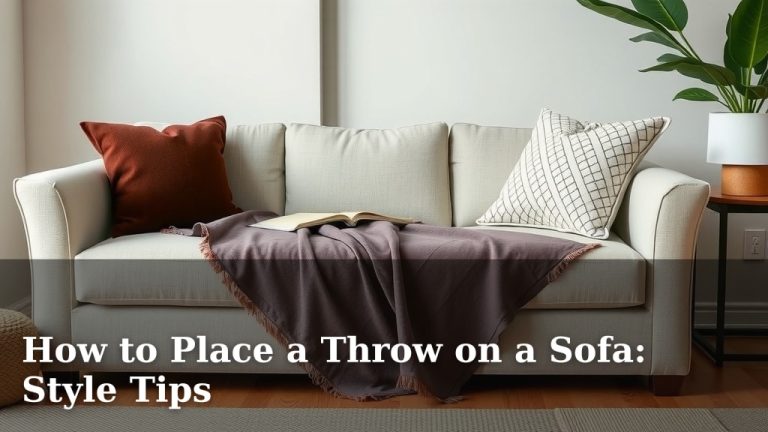
- Use throw blankets in high-traffic spots.
- Keep it out of direct sunlight to prevent fading.
- Trim pet nails if your cat thinks the sofa is a scratching post.
Some people also use a fabric protector spray made for suede-like materials. If you go that route, test it on a hidden area first and follow the label instructions carefully.
When to Call a Professional
Some jobs are better left to the pros. Consider expert cleaning if you notice:
- Large stains covering more than a cushion or two.
- Odors that keep coming back after cleaning.
- Water marks you can’t brush out.
- A care tag with an “X” code and stubborn dirt.
A professional upholstery cleaner has tools and solvents that home cleaning kits can’t match. For expensive furniture, that cost can be worth it.
Quick Checklist Before You Start
Grab these supplies and you’re ready to go:
- Soft-bristle brush or clean toothbrush
- Vacuum with brush attachment
- Rubbing alcohol and clean white cloths
- Baking soda for grease spots
- Spray bottle (optional, for light steaming)
- Your sofa’s care tag — read it first!
With these basics on hand, most faux suede messes become a five-minute fix instead of a weekend project. Your sofa — and anyone who sits on it — will be glad you took the time.
Conclusion
Faux suede doesn’t ask for much — just gentle brushing, quick blotting, and the occasional dab of rubbing alcohol. Remember to check your care tag, test any cleaner in a hidden spot, and keep water and heat far away from the nap. Most stains come out with supplies already sitting in your bathroom cabinet, so there’s no need to panic when spills happen. A little weekly attention beats a big rescue job every time, and we’ve found that consistency is what really keeps these sofas looking fresh. So grab that soft brush, give your cushions a quick once-over today, and set a simple weekly reminder — your sofa will stay looking new for years.
Frequently Asked Questions
Can I use a steam cleaner on my faux suede sofa?
We don’t recommend running a steam cleaner over faux suede. Too much moisture and heat can flatten the nap or leave water marks. Light steaming from a distance can help relax stiff spots, but direct steam contact is risky.
Why does my faux suede sofa feel stiff after cleaning?
Stiffness usually means the fibers dried in the wrong position or got too wet. Once the area is fully dry, brush gently in one direction to lift the nap back up. A quick pass with a steamer held a few inches away can also help soften the texture.
Can I use baby wipes to clean faux suede?
It’s best to skip them. Baby wipes often contain oils and moisturizers that can leave residue or dark spots on faux suede. Stick with a clean white cloth and rubbing alcohol instead.
How do I get a bad smell out of a faux suede sofa?
Sprinkle baking soda lightly over the cushions, let it sit for a few hours, then vacuum it up thoroughly. If odors linger after a couple of attempts, the smell may have soaked into the foam underneath, and a professional cleaner is your best next step.
Is faux suede easier to clean than real suede?
In most cases, yes. Real suede is a natural leather that reacts badly to water and needs special brushes and erasers. Faux suede is typically more forgiving with solvents like rubbing alcohol, and it handles light brushing without damage.