Boucle vs Chenille Sofa: Which Fabric Should You Choose for Your Living Room?
When you’re shopping for a new sofa, you’re faced with more fabric choices than ever before. Two textures that have been gaining serious traction in recent years are boucle and chenille. But here’s the thing: just because both are popular doesn’t mean they’re right for your home. I’m going to walk you through everything you need to know to make an informed decision that actually fits your lifestyle.
What Exactly Is Boucle Fabric?
Let me start by demystifying boucle, because honestly, the name alone doesn’t tell you much. Boucle comes from the French word for “loop,” and that’s exactly what you’re looking at when you examine this fabric up close. It’s made using a special yarn that creates those distinctive looped textures you see on the surface.
The Construction of Boucle
Boucle is typically woven or knitted using bouclé yarn, which consists of three threads twisted together. One thread forms the main core, while another wraps around it to create those characteristic loops and bumps. This three-ply construction is what gives boucle its textural depth and visual interest.
What’s fascinating is that boucle can be made from various fiber blends. You’ll find cotton boucle, wool boucle, and synthetic blends. Each combination affects how the fabric feels and performs. Wool boucle tends to be warmer and more luxurious, while cotton blends offer better breathability.
Visual Characteristics of Boucle
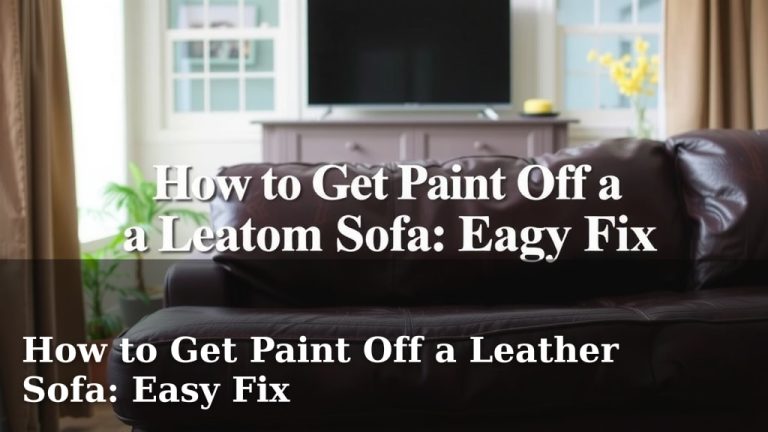
When you look at a boucle sofa, you’re seeing a fabric that almost looks like it’s full of tiny curls or loops scattered across the surface. This creates a wonderfully textured appearance that photographs beautifully. The loops catch light in different ways, which gives boucle a sophisticated, almost three-dimensional quality. It’s the kind of fabric that makes people want to run their hands across it.
Understanding Chenille Fabric
Now let’s talk about chenille. If boucle is the cousin with lots of texture, chenille is the smooth, velvety relative. The word chenille actually means “caterpillar” in French, and when you touch it, you’ll understand why. It feels soft and fuzzy, almost like a caterpillar might feel.
How Chenille Is Made
Chenille is created differently than boucle. The yarn itself is constructed with short fibers held perpendicular to a central core yarn. Picture a caterpillar’s segmented body, and you’ve basically got the right mental image. These perpendicular fibers create that signature soft, plush surface that people absolutely love.
Chenille fabrics are commonly made from cotton, acrylic, polyester, or blends of these materials. The fiber composition directly impacts how the fabric wears and feels over time. Higher quality chenille uses more natural fibers, while budget options lean heavily on synthetics.
Visual Appeal of Chenille
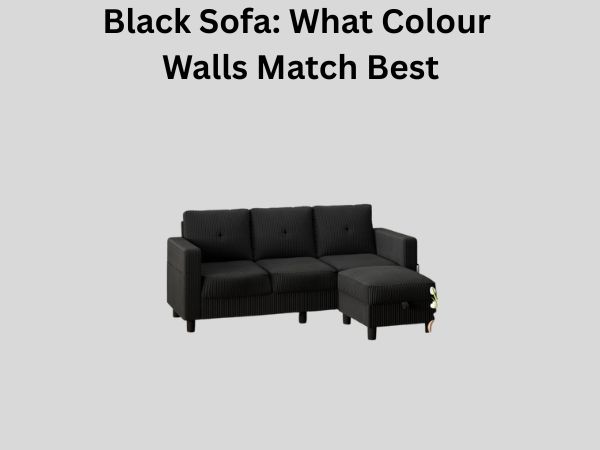
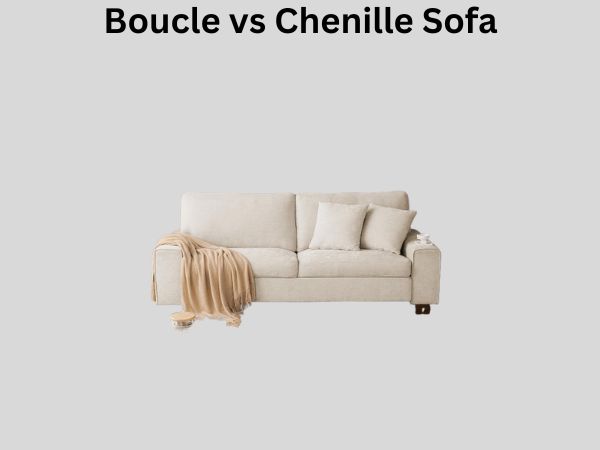
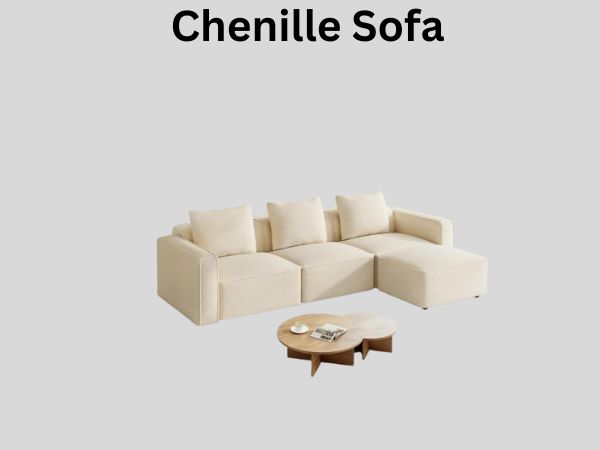
Chenille has a completely different aesthetic compared to boucle. It’s smooth, uniform, and elegant. The fabric has a soft sheen to it without being shiny. Colors in chenille tend to look rich and saturated because the fabric’s structure absorbs light beautifully. You won’t see the texture as dramatically as you would with boucle, but you’ll definitely feel the difference immediately.
Comfort: Which Fabric Feels Better?
Here’s where personal preference really comes into play. Comfort isn’t universal—what feels amazing to one person might not work for another.
The Boucle Comfort Experience
Boucle feels noticeably textured against your skin. Some people find this incredibly appealing because it creates a casual, relaxed vibe. The looped surface gives you something interesting to feel, and many folks appreciate that tactile element. However, if you have sensitive skin or prefer smooth textures, boucle can feel slightly rough.
The firmness of a boucle sofa depends largely on the fiber content and weave tightness. Wool boucle tends to be slightly stiffer initially, while cotton or cotton-blend boucle offers more give. Your comfort level will also depend on the cushioning beneath the fabric.
The Chenille Comfort Experience
Chenille is undeniably soft. It’s the fabric equivalent of a warm hug. If you prioritize plush, inviting softness, chenille delivers immediately. The velvety texture is soothing to touch, and there’s something inherently comforting about running your hand across chenille repeatedly.
However, this softness can sometimes come at a cost. Chenille can feel almost too soft for some people, and in certain cases, it might not provide enough structural support for the sofa itself. Some chenille sofas can feel like they’re enveloping you rather than supporting you.
Durability: The Real Test of Time
Here’s what I think is the most critical question: which fabric will actually last in your home? A beautiful sofa that falls apart in two years isn’t a bargain.
Boucle Durability Factors
Boucle has some inherent durability advantages. Those loops aren’t going anywhere easily. The construction is fundamentally solid because the yarn is twisted so tightly. This means boucle resists pilling remarkably well, even with regular use.
That said, durability varies significantly based on material composition. Wool boucle is exceptionally durable and actually becomes softer with age. Synthetic boucle can pill more readily, while high-quality cotton boucle offers excellent longevity. The key is looking at the ply count—higher ply means better durability.
Chenille Durability Concerns
Here’s where I need to be honest: chenille has a reputation for durability challenges, and this reputation is somewhat deserved. The perpendicular fibers that make chenille so soft are also more prone to snagging and pilling. If you have pets or children, you need to know that chenille can develop fuzz balls relatively easily with friction.
Additionally, the brush of fabric against itself—which happens when you sit on your sofa repeatedly—can cause the surface to become fuzzy or matted over time. This doesn’t mean chenille falls apart, but it does mean you’ll see visible wear sooner than with boucle.
That said, quality matters enormously here. Premium chenille fabrics with tightly secured fibers perform far better than budget options.
Wear Patterns Comparison
Boucle tends to maintain its appearance longer because any wear is less visually obvious on the textured surface. Chenille, being smooth, shows wear more readily. Pilling becomes apparent quickly, and areas that get regular contact—like where your back rests—become noticeably fuzzier.
Maintenance and Cleaning Challenges
Let’s talk about what happens when something spills on your sofa. Because it will happen eventually.
Cleaning Boucle Sofas
Boucle is relatively forgiving when it comes to spills. The textured surface means liquids don’t sit flat on top—they’re more likely to absorb into the fibers. This is actually good and bad. Good because the spill doesn’t sit visible on the surface. Bad because it soaks in deeply.
For regular maintenance, you can vacuum boucle, but you need to be gentle. The loops can catch on vacuum brushes. A soft brush attachment works best. For spills, blot immediately with a clean cloth. Most boucle sofas can be spot-cleaned with water and mild soap, though you should always check the manufacturer’s recommendations first.
Cleaning Chenille Sofas
Chenille requires more delicate handling during cleaning. The soft fibers can be damaged by aggressive scrubbing. However, the smooth surface means spills sit on top rather than sinking in, giving you more time to blot before liquid penetrates.
Regular maintenance involves light vacuuming with an upholstery brush. Avoid rubbing back and forth when you clean because this encourages pilling. Instead, work in one direction or use a blotting motion. Many manufacturers recommend professional cleaning for chenille because the fibers need specialized care.
Professional Cleaning Requirements
Here’s a practical consideration: will you end up paying more for professional cleaning? Chenille often requires more frequent professional care, which adds to the long-term cost of ownership. Boucle can often be maintained well with regular vacuuming and occasional spot cleaning.
Aesthetic Appeal and Design Versatility
Both fabrics have their own design story to tell.
Boucle in Modern Design
Boucle has become synonymous with contemporary and mid-century modern design. The textured surface creates visual interest that works beautifully in minimalist spaces. Because boucle is naturally complex-looking, it can be a statement piece even in neutral colors.
Boucle works particularly well in spaces where you want architectural interest. It photographs beautifully, which is why designers love it. The loops create shadows and depth that prevent the sofa from looking flat or boring.
Chenille in Interior Design
Chenille reads as more traditional or transitional. Its elegance makes it work well in formal living rooms or spaces with classic design sensibilities. The soft texture conveys luxury and comfort, which is why it appears frequently in high-end design.
Chenille’s smooth surface makes colors appear more saturated, so rich jewel tones and deep neutrals look particularly stunning in this fabric. It’s excellent for creating an upscale, curated look.
Color Considerations
Boucle is available in extensive color ranges, but lighter shades show wear more readily. Medium tones tend to be the sweet spot for hiding signs of use. Chenille similarly looks best in colors that complement your existing decor. Keep in mind that boucle’s texture makes colors appear slightly less vibrant than in chenille, so if you’re color-matching to paint or other fabrics, test samples carefully.
Cost Comparison and Value
Budget is usually a significant factor in sofa selection. Let’s break down the financial picture.
Initial Purchase Price
Generally speaking, boucle and chenille sofas are priced similarly at the initial point of sale. Both are considered mid-to-premium fabrics, so you won’t find them at budget price points typically. A decent quality boucle or chenille sofa starts around $800-1000 for a standard size and can go well into the thousands for designer pieces.
Long-Term Cost of Ownership
This is where the comparison becomes interesting. When you factor in durability and maintenance costs, boucle might actually be the better investment long-term. Because boucle requires less professional cleaning and maintains its appearance longer, you’re spending less on upkeep.
Chenille’s higher maintenance needs—particularly professional cleaning to prevent and address pilling—add to the total cost of ownership. If you’re keeping a sofa for 10+ years, these costs compound significantly.
Depreciation and Resale Value
Boucle sofas tend to hold their value better because they show less visible wear. When you eventually resell or donate your sofa, a well-maintained boucle piece looks better than a chenille one of the same age. This is an often-overlooked factor when calculating total cost.
Best Uses for Each Fabric Type
Rather than declaring one fabric universally superior, let me break down where each truly shines.
When Boucle Makes Sense
- High-traffic family rooms where you need durability
- Homes with pets (resists snagging better)
- Modern or mid-century design schemes
- Situations where you want to minimize professional cleaning costs
- Spaces where textural interest enhances the design
- Long-term investments where you’ll keep the sofa for many years
When Chenille Makes Sense
- Formal living rooms that see occasional use
- Adults-only homes without pets
- Traditional or transitional design styles
- Spaces where visual smoothness matters aesthetically
- Situations where immediate comfort is the priority
- Shorter-term sofa purchases (5-7 years)
Environmental Considerations
If you care about sustainability—and increasingly, more people do—this deserves discussion.
Boucle’s Environmental Impact
Natural fiber boucle, particularly wool and cotton varieties, is more environmentally friendly than synthetic options. Wool is renewable and biodegradable. However, wool production does have environmental costs related to livestock farming. Cotton boucle is also biodegradable but can carry pesticide concerns depending on whether it’s conventionally or organically grown.
Chenille’s Environmental Impact
Much chenille available in the market is made from synthetic fibers like polyester and acrylic. These are petroleum-based and not biodegradable, making them less environmentally friendly. Natural fiber chenille exists but is less common and typically more expensive. When evaluating chenille, pay attention to fiber content—it matters significantly for environmental impact.
Durability as Environmental Factor
Here’s an important perspective: the most sustainable sofa is one you keep for a long time. If boucle lasts longer and requires less replacement, it might be the more environmentally responsible choice overall, even if some synthetic fibers are involved. The environmental cost of manufacturing a new sofa often outweighs the materials issue.
Real-World Performance in Actual Homes
Theory is one thing, but what really matters is how these fabrics perform in real living situations. Let me share some observations based on what homeowners actually experience.
Boucle in Family Settings
Families who chose boucle report that it holds up remarkably well to daily life. Kids jumping on it, pets sprawling across it—boucle takes it all in stride. The main complaint is that the texture itself attracts pet hair, which requires regular lint-rolling. But the fabric itself doesn’t sustain damage easily.
Chenille in Family Settings
Families with chenille sofas often report visible pilling within the first year or two. Repeated sitting in the same spot causes matting. While the sofa is still functional, it starts looking tired faster than parents expected. Homes with no pets and older children do better with chenille.
How to Test Fabrics Before Buying
Don’t just look at sofa swat