How High Should an End Table Be Next to Sofa?
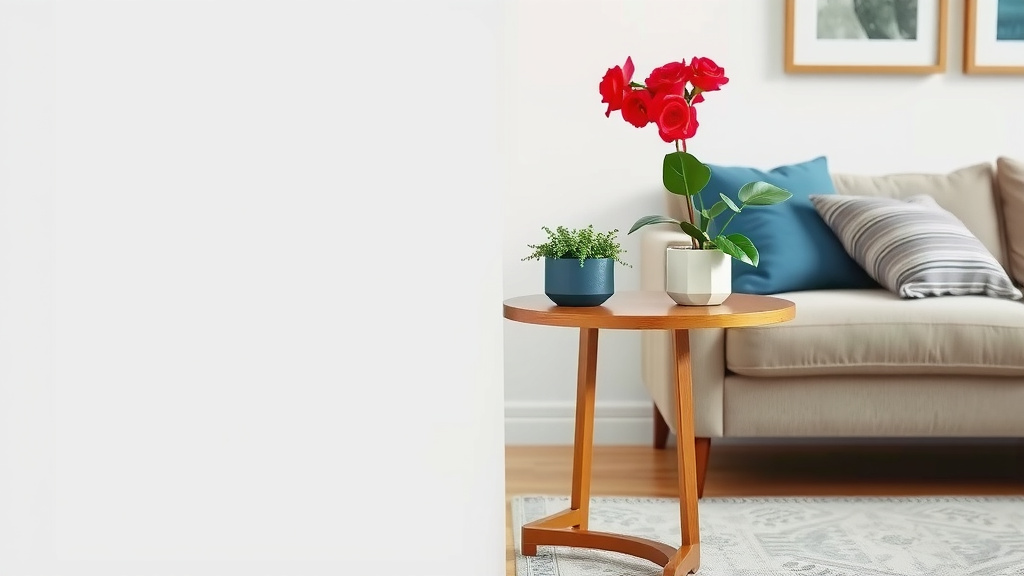
The ideal height for an end table next to your sofa is generally 1-2 inches shorter than your sofa’s arm height. This ensures a comfortable reach for placing drinks or lamps. You want it to feel balanced and functional, not too high or too low.
Getting the height just right makes a big difference in your living room’s usability and aesthetics. Too low, and it’s awkward to use. Too high, and it can look out of place. Many people overlook this detail, but it’s key to a cozy and practical space.
- End table height should match or be slightly below sofa arm height.
- Aim for 1-2 inches shorter than the sofa arm.
- This ensures easy access for drinks, remotes, and lamps.
- Proper height improves both function and visual appeal.
Let’s dive into how to figure out the perfect end table height for your specific sofa and living space.
Finding the Right Height for Your End Table
You want your end table to feel like a helpful friend next to your sofa. Not too tall that it looms, and not too short that it’s a stretch to reach. The sweet spot is usually just below your sofa’s armrest. Think of it as the perfect height for setting down your mug or TV remote without looking.
Getting this height right makes your living room feel more functional and visually pleasing. It’s a small detail that makes a big difference.
The 1-2 Inch Rule: A Simple Guideline
Most furniture designers and interior decorators suggest an end table that’s about 1 to 2 inches shorter than the height of your sofa’s armrest.
Why this specific range? Imagine you’re sitting on your sofa. You reach out to place your drink on the end table. If the table is the same height or taller than the armrest, your arm might bump into the sofa arm. If it’s much shorter, you’ll have to lean down quite a bit. The 1-2 inch drop ensures a smooth and easy reach.
This guideline is widely accepted and helps create a balanced look. It’s like having a perfectly placed sidekick for your sofa.
Why Sofa Arm Height Matters Most
Your sofa’s arm height is the primary measurement. It’s the anchor point for determining your end table’s ideal height. Sofas come in many styles, from low-profile, modern designs to plush, traditional ones. Each has a different arm height.
For example, a sleek, minimalist sofa might have arms that are 22 inches high. Following the rule, you’d look for an end table around 20-21 inches. A more substantial, rolled-arm sofa might have arms that are 25 inches high. In that case, an end table in the 23-24 inch range would be perfect.
It’s not just about how it looks; it’s about ergonomics. We use end tables constantly. They hold our drinks, books, lamps, and sometimes even our feet (we won’t tell!). Having them at the right height makes all these activities effortless.
Measuring Your Sofa’s Arm Height
This might sound obvious, but you’ll need a measuring tape. Measure from the floor straight up to the top of your sofa’s armrest. Do this on both sides, as sometimes there can be a slight difference.
Once you have that number, subtract 1 to 2 inches. That’s your target end table height.
What If My Sofa Has No Arms?
Some modern or modular sofas have sections without traditional armrests. In these cases, you’ll need to use a different reference point.
Consider the seat height of your sofa. You might want the end table to be roughly the same height as the sofa’s seat cushion, or perhaps a couple of inches higher. This helps maintain a comfortable level for items you’ll be reaching for while seated.
What About Different Sofa Styles?
Let’s consider some common sofa styles and how they might affect your choice:
- Low-profile sofas: These often have arms that are closer to the ground. Your end table might be on the shorter side, around 18-20 inches.
- Standard sofas: These usually fall into the 22-24 inch arm height range. Your end table will likely be in the 20-23 inch range.
- Overstuffed or high-armed sofas: These can have armrests that are 25 inches or even higher. Look for end tables around 23-25 inches.
Beyond Height: Other Factors to Consider
While height is super important, it’s not the only thing to think about. You want your end table to be a harmonious addition to your living space.
Depth and Width: Giving it Space
Just like height, the depth and width of your end table matter. You don’t want it to be so bulky that it crowds your sofa or makes it hard to walk past.
A good rule of thumb is to ensure there’s enough space between the sofa and the end table. You should be able to easily access items on the table without feeling cramped. A table that sticks out too far can be a tripping hazard.
Functionality: What Will You Use It For?
Think about how you’ll actually use the end table. Is it primarily for a lamp and a drink? Or will it need to hold a stack of books, a wireless charger, and maybe even your pet’s water bowl?
If you need space for multiple items, a slightly larger or wider end table might be more practical, even if it means it’s closer to the maximum height recommendation. We found that storage is a big consideration for many people.
Style and Material: Matching Your Decor
The end table’s style should complement your sofa and the overall aesthetic of your living room. A modern glass table might look out of place next to a rustic, farmhouse-style sofa.
Consider the materials: wood, metal, glass, or stone. Think about the color and finish. Does it match your existing furniture? Does it add a nice contrast? Many sources suggest matching the finish to other wood tones in the room, or choosing a metallic finish that complements other hardware (Houzz).
When an End Table Doesn’t Have to Be Perfect
Sometimes, strict adherence to the height rule isn’t necessary. Maybe you have a very low sofa, and a standard 18-inch end table looks too squat. Or perhaps you love a specific accent table that’s a bit taller than recommended.
If the table is slightly off in height but has a design you adore, it can still work. The key is whether it feels right and functions adequately for your needs. You can often make minor height differences work by adjusting the items you place on the table. For instance, a taller lamp on a slightly shorter table can help bridge the height gap.
Quick Checklist for Your Perfect End Table Height
Ready to find your ideal end table? Here’s a quick recap:
- Measure your sofa’s arm height from the floor.
- Subtract 1-2 inches to find your target end table height.
- Consider your sofa’s style (low, standard, high arms).
- Think about how much space you need on the table.
- Ensure the table’s depth and width fit your room.
- Choose a style and material that matches your decor.
Conclusion
Finding the perfect end table height is all about creating a functional and harmonious living space. Remember, the 1-2 inch rule below your sofa’s arm height is your best starting point. This simple guideline ensures comfort and ease when reaching for drinks, remotes, or lamps. Don’t forget to consider your sofa’s unique style and your personal needs for space and storage. By measuring carefully and thinking about the overall balance, you can select an end table that feels like a natural extension of your sofa, truly enhancing your room’s usability and style. Now, go measure your sofa and find that perfect match!
Frequently Asked Questions
What’s the absolute worst that can happen if my end table is too tall or too short?
If your end table is too tall, it can obstruct your view or feel like it’s crowding your sofa. If it’s too short, reaching for items can become a chore, leading to an awkward lean. Both can disrupt the visual flow and practical use of your seating area.
Can I use an end table that’s the exact same height as my sofa arm?
While technically possible, it’s generally not recommended. Having the end table 1-2 inches shorter prevents your arm from bumping into the sofa arm when you reach across. It creates a smoother, more comfortable transition for placing or retrieving items.
What if my sofa has very wide or padded arms? Should I still measure to the top?
Yes, you should still measure to the highest point of your sofa’s armrest. This is the natural resting height when you’re seated. If the arms are exceptionally wide or padded, the 1-2 inch rule still applies to ensure comfortable reachability from your seated position.
Is it okay to have end tables of different heights on either side of my sofa?
Generally, it’s best for visual balance to have end tables of the same height on both sides of a sofa. However, if one side is next to a different piece of furniture or has a unique function, a slight height difference might be acceptable, but aim for consistency for a cohesive look.
How do I choose an end table height if I never sit on my sofa?
If you don’t use your sofa regularly, focus primarily on aesthetics and the functionality for guests or other uses. Consider the height of other furniture in the room or a standard, comfortable reach for someone standing nearby. You might also prioritize a visually pleasing proportion rather than strict ergonomic rules.

![10 Seater Sofa Bed [2026]](https://hometopaccesories.com/wp-content/uploads/2026/08/10-seater-sofa-bed-2026-featured-1-768x432.jpg)
![10 Best Built Sectional Sofas [2026]](https://hometopaccesories.com/wp-content/uploads/2026/08/10-best-built-sectional-sofas-2026-featured-768x432.jpg)