
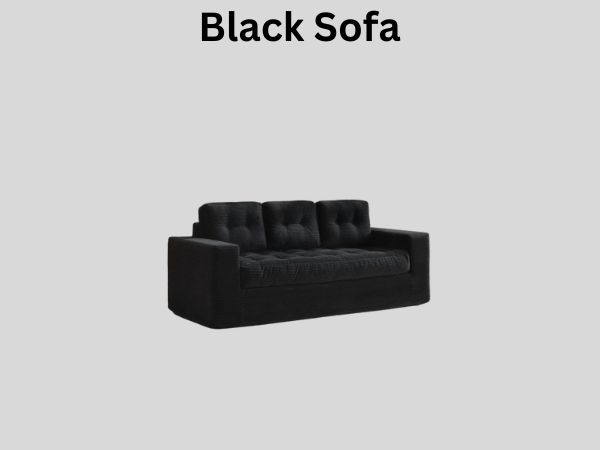
Black Sofa: What Colour Walls Match Best?
Let’s face it—choosing wall colors when you already have a black sofa can feel like standing in front of an endless paint palette with absolutely no idea where to start. You’ve invested in that beautiful black sofa, and now you’re wondering if you’ve painted yourself into a corner with your color options. Spoiler alert: you haven’t. In fact, having a black sofa gives you more flexibility than you might think.
The truth is, black is like the little black dress of furniture—it goes with practically everything. But that doesn’t mean all wall colors will make your space feel equally inviting and cohesive. Some combinations will make your room feel like a sophisticated sanctuary, while others might leave it looking a bit flat or uninspired.
In this guide, I’m going to walk you through the best wall color options for a black sofa, explore why certain combinations work beautifully together, and help you avoid the color mistakes that could leave your space feeling disconnected.
Understanding Black Furniture in Interior Design
Black furniture serves as an anchor in any room. Think of it like a strong foundation for a house—everything else builds upon it. When you place a black sofa in your living room, you’re essentially creating a statement piece that will influence every other design decision you make.
The interesting thing about black is that it’s simultaneously bold and versatile. It can feel minimalist and modern, or classic and timeless, depending on what surrounds it. The wall colors you choose will essentially set the stage for how your black sofa is perceived in the space.
Why Wall Color Matters More Than You Think
The Visual Weight Factor
Wall colors create the background atmosphere of your room. Imagine your black sofa as a performer on stage—the wall color is the stage itself. If you choose the wrong stage, even the best performer won’t shine as brightly.
When you have a black sofa taking up significant visual real estate, the walls become crucial for creating balance. They either enhance the sofa’s presence or they compete with it. You want them to complement, not clash.
How Lighting Interacts With Your Choices
Here’s something many people overlook: the exact same wall color will look completely different depending on your lighting. Natural light, artificial lighting, and the time of day all play crucial roles in how your wall color appears. This is why it’s absolutely essential to test paint samples in your actual room before making a final commitment.
Neutral Wall Colors That Complement Black Sofas
Crisp White Walls
White walls paired with a black sofa create one of the most classic and striking combinations in interior design. This pairing works exceptionally well because it provides maximum contrast, which makes your black sofa pop visually. The sofa becomes the undeniable focal point of the room.
The beauty of white is that it never feels dated. A white wall is like a blank canvas—it allows your sofa to be the star while also creating a clean, contemporary aesthetic. This combination works particularly well if you prefer a minimalist style or modern aesthetic.
However, pure white can sometimes feel sterile if not balanced properly. To avoid this, incorporate warm textures, interesting artwork, or accent colors through accessories and decor pieces.
Soft Gray Tones
If white feels too stark for your taste, soft gray is the perfect middle ground. Light grays create a sophisticated backdrop that neither competes with nor gets completely overshadowed by your black sofa. Instead, they create a harmonious relationship where both elements feel equally important.
Gray is incredibly versatile because it bridges the gap between warm and cool tones. Depending on which gray you choose, you can lean toward either direction. Warm grays with subtle beige undertones feel cozy, while cooler grays with slight blue undertones feel more contemporary and sleek.
Beige and Cream Options
Beige and cream walls provide warmth that pure white and gray sometimes lack. These colors create an inviting, comfortable atmosphere while still maintaining the sophistication that a black sofa brings to a space.
The advantage of beige and cream is that they’re incredibly forgiving colors. They hide imperfections better than white, they don’t show dust as easily, and they create a cohesive look with most furniture styles, from traditional to contemporary.
- Soft cream with warm undertones
- Warm beige for a welcoming feel
- Taupe for a sophisticated neutral option
- Off-white with gray undertones
Warm Tones for a Cozy Atmosphere
Warm Terracotta and Rust
If you want to move beyond neutrals and inject some personality into your space, warm terracotta and rust tones are excellent choices with a black sofa. These earthy colors create an unexpectedly welcoming environment that feels grounded and comfortable.
Warm terracotta walls tell a story—they evoke feelings of warmth, creativity, and earthiness. When paired with a black sofa, they create a sophisticated contrast that feels intentional rather than accidental. This combination works beautifully if you incorporate natural wood elements and warm lighting.
Warm Mustard Yellow
This might sound bold, but trust me on this one. A warm, muted mustard yellow can work beautifully with a black sofa, especially if you’re aiming for a vintage-inspired or eclectic style. The key is choosing a mustard that leans toward the warmer, more muted side rather than a bright, neon yellow.
Mustard yellow creates energy without being overwhelming. It pairs exceptionally well with black because black grounds the vibrancy and prevents the room from feeling chaotic. Add some brass accents and wooden furniture, and you’ve got yourself a truly inviting space.
Soft Olive Green
Warm olive green is having a major moment in interior design, and for good reason. This sophisticated tone pairs beautifully with a black sofa while maintaining a calm, nature-inspired aesthetic. Olive green feels less intense than true green while still providing visual interest.
This combination is perfect if you want a space that feels both contemporary and timeless. The earthiness of olive green complements black without any jarring transitions, and it creates a room that feels thoughtfully designed rather than accidentally color-coordinated.
Cool Tones for a Modern Aesthetic
Soft Blue Wall Colors
Cool blue walls create a calming backdrop that works wonderfully with a black sofa, especially in bedrooms or relaxation spaces. The key is choosing a blue that isn’t too bright or too saturated. Look for soft, muted blues like dusty blue, slate blue, or periwinkle.
Blue and black combination feels naturally sophisticated. Think of the evening sky—that natural pairing between black and blue elements creates visual harmony. This color scheme is particularly effective in rooms where you want to promote relaxation and calmness.
Cool Gray-Blue Shades
If you want the calmness of blue with the sophistication of gray, consider gray-blue tones. These transitional colors offer the best of both worlds, creating a cool but not cold atmosphere that feels contemporary and refined.
Charcoal and Slate Gray
For those who want to embrace darker tones, charcoal and slate gray are excellent choices. These deeper grays create a moody, sophisticated atmosphere while still maintaining enough visual separation from your black sofa to avoid the space feeling too dark.
This combination requires careful attention to lighting—you’ll want to ensure your room has adequate natural light or invest in quality artificial lighting to prevent the space from feeling too dim. However, when done right, a charcoal wall with a black sofa creates one of the most elegant color combinations available.
Bold and Dramatic Color Choices
Deep Jewel Tones
If you’re feeling adventurous, deep jewel tones like emerald green, sapphire blue, or rich burgundy can create a stunning backdrop for a black sofa. These colors are bold enough to hold their own against black while creating a luxurious, high-end atmosphere.
Jewel tones work best in spaces with excellent lighting and when you’re willing to commit to a more dramatic design aesthetic. They’re perfect for dining rooms, home offices, or accent walls in living spaces where you want to make a statement.
Rich Navy Blue
Navy blue is often overlooked, but it’s actually one of the best bold choices for a black sofa. Navy feels both timeless and contemporary, and it creates a sophisticated monochromatic look that feels intentional and well-designed.
The beauty of navy with black is that they’re close enough in tone to feel cohesive, yet different enough to create visual interest. This combination feels refined and elegant, making it perfect for anyone who loves dark, moody interiors.
Creating Visual Interest With Accent Walls
The Accent Wall Strategy
If you’re hesitant about committing an entire room to a bold wall color, accent walls are your solution. An accent wall allows you to introduce color and personality without overwhelming the space.
The typical strategy is to paint the wall that your black sofa faces. This creates a focal point and draws attention to the room’s most important element. Alternatively, you could paint the wall behind the sofa to create a stunning backdrop for your seating arrangement.
Which Wall Should You Choose?
- The wall facing your black sofa creates maximum visual impact
- The wall behind the sofa frames it beautifully
- The wall opposite the sofa creates depth in the room
- Corner walls can create dynamic, unexpected interest
Remember, the accent wall doesn’t have to match perfectly with the sofa. In fact, sometimes contrast works better. If you use three neutral walls and one bold-colored wall, your black sofa becomes part of a larger design composition rather than the sole focal point.
The Critical Role of Lighting
Natural Light Considerations
The direction and intensity of natural light in your room will significantly impact how your wall color appears throughout the day. North-facing rooms tend to receive cooler light, which can make wall colors appear slightly bluer or grayer. South-facing rooms get warm, golden light that can enhance warmer wall tones.
Before you purchase paint, observe your room at different times of day. Does it feel bright and airy in the morning? Does it get darker as the sun moves? Understanding your room’s natural light patterns is essential for choosing a wall color that works all day long.
Artificial Lighting Impact
The color temperature of your artificial lighting matters tremendously. Warm white bulbs (around 2700K) will enhance warm wall colors and make cool tones feel warmer. Cool white bulbs (around 5000K) will emphasize cool tones and can make warm colors feel less inviting.
This is why many designers recommend testing paint colors under both natural and artificial light before making a final decision. What looks perfect at noon might look completely different at night under your ceiling lights.
Testing Your Color Choices Before Committing
The Paint Sample Method
Never, and I mean never, choose a wall color purely from a paint chip at the store. Paint chips are notoriously misleading because they show you such a small sample of the color. What looks subtle on a chip can be overwhelming on an entire wall.
Instead, purchase sample sizes of your top color choices and paint large swatches on your walls. Leave them up for several days, observing them at different times of day and under different lighting conditions. This is the most reliable way to ensure you’ll love your choice long-term.
Digital Visualization Tools
Modern technology offers helpful visualization tools. Some paint manufacturers provide apps that let you photograph your room and virtually paint it different colors. While these aren’t perfectly accurate, they can give you a general sense of how a color might work in your space.
Common Wall Color Mistakes to Avoid
Going Too Dark Too Fast
One of the biggest mistakes people make with black sofas is painting walls an equally dark shade, thinking darker equals more sophisticated. The result? A room that feels like a cave rather than a cozy sanctuary.
Remember that your black sofa already provides significant visual weight. Your walls should generally be lighter to create balance and prevent the space from feeling oppressive. Even if you love dark colors, consider a lighter shade than you initially thought you wanted.
Ignoring Your Room’s Purpose
Not all wall colors work for every room. A deep burgundy might be stunning in a dining room but feel too heavy for a bedroom. A bright yellow might energize a kitchen but feel overwhelming in a bedroom where you need to sleep.
Think about the room’s function and the mood you want to create. Does the space need to feel calm and restful? Energetic and inspiring? Sophisticated and formal? Your wall color should support the room’s intended use.
Forgetting About Your Existing Decor
Your walls don’t exist in isolation. They share space with your flooring, existing furniture, artwork, and accessories. Choose a wall color that harmonizes with what you already have rather than fighting against it.
If your flooring is warm-toned, cool gray walls might feel disconnected. If you have lots of colorful artwork, neutral walls provide a better canvas than another bold color.
Creating Balance in Your Living Space
The 60-30-10 Design Rule
Interior designers often use the 60-30-10 rule to create balanced, harmonious spaces. The idea is that your dominant color (typically walls) should take up 60% of the visual space, your secondary color should take up 30%, and your accent color should be just 10%.
With a black sofa, your wall color becomes the dominant color. This means you have freedom with how you use your secondary and accent colors through furniture, artwork, textiles, and accessories. This rule prevents any single element from overpowering the space.
Using Texture to Add Interest
If you’re worried that solid-colored walls might feel boring, introduce texture through paint techniques, wall coverings, or strategic use of wallpaper. Textured walls add visual interest without introducing another color, creating sophistication without chaos.
Coordinating Other Furniture and Decor
Working With Your Existing Pieces
Your wall color should work in harmony with your other furniture pieces. If you have warm-toned wood furniture, lean toward warm wall colors. If you have cool-toned metal or glass furniture

![10 Best Cleaner For Sofa Fabric [2026]](https://hometopaccesories.com/wp-content/uploads/2026/09/10-best-cleaner-for-sofa-fabric-2026-featured-768x432.jpg)


![10 Best Cloud Sofa Dupes [2026]](https://hometopaccesories.com/wp-content/uploads/2026/09/10-best-cloud-sofa-dupes-2026-featured-768x432.jpg)