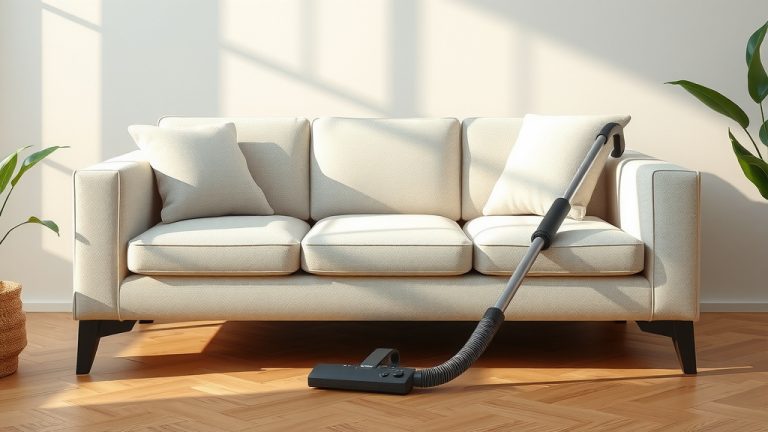
How Can I Clean the Arms of My Sofa? Tackling Tough Grime and Oils
Your sofa is probably one of the most-used pieces of furniture in your home. You sink into it after a long day, your kids jump on it, your pets curl up on it, and yes, you’ve definitely eaten snacks while sitting on it. But here’s the thing—while you might vacuum the cushions occasionally, those sofa arms? They’re often the forgotten stepchild of furniture cleaning. Yet they’re collecting dust, body oils, food residue, and who knows what else every single day.
If you’ve been wondering how to clean the arms of your sofa effectively, you’re not alone. These areas are tricky because they’re constantly exposed to your hands, arms, and the general wear and tear of daily life. The good news is that with the right approach and a bit of elbow grease, you can restore those arms to looking almost brand new. Let me walk you through everything you need to know.
Understanding Why Sofa Arms Get So Dirty
Before we dive into the cleaning methods, let’s talk about why sofa arms are such grime magnets in the first place. Think about it—your arms rest on those surfaces multiple times a day. Your hands touch them when you’re sitting down or getting up. If you eat while watching TV, crumbs inevitably end up there. Plus, natural body oils from your skin gradually transfer onto the fabric, creating that darkened, grimy appearance that builds up over time.
The fabric itself also plays a role. Upholstery is designed to absorb liquids and particles to some degree, which means dirt doesn’t just sit on the surface—it actually embeds itself into the fibers. This is why a quick wipe-down often doesn’t cut it. You need a more comprehensive cleaning strategy.
Assessing Your Sofa’s Fabric Type
Why Material Matters for Cleaning
Not all sofa fabrics are created equal, and treating delicate velvet the same way you’d treat sturdy microsuede is a recipe for disaster. Before you reach for any cleaning solution, you absolutely must identify what your sofa is made of. Check the manufacturer’s tag—it’s usually tucked underneath or on the side of the cushions.
Common Sofa Fabric Types
- Microsuede and Microfiber: These synthetic fabrics are remarkably forgiving and can handle fairly aggressive cleaning methods without getting damaged.
- Cotton and Linen: Natural fabrics that are somewhat sturdy but can be prone to staining and shrinking if not treated carefully.
- Velvet: This luxurious fabric requires gentle handling and specialized cleaning approaches to avoid matting the pile.
- Leather: While durable, leather needs specific conditioners and cleaners designed for its unique properties.
- Wool: A natural fiber that’s stain-resistant but can be damaged by harsh chemicals or excessive moisture.
Once you’ve identified your fabric type, you can move forward with confidence, knowing you’re not going to inadvertently damage your furniture.
Your Essential Sofa Arm Cleaning Toolkit
What You’ll Actually Need
You don’t need to buy expensive specialty products to get your sofa arms clean. In fact, some of the best cleaning solutions are probably already in your home. Here’s what I recommend having on hand:
- Soft-bristled brushes or old toothbrushes
- Microfiber cloths or soft cotton towels
- Spray bottles for applying solutions
- Vacuum with upholstery attachments
- Bowl or bucket for mixing solutions
- Baking soda
- White vinegar
- Mild dish soap
- Rubbing alcohol
- Distilled water
The beauty of these items is that they’re gentle, effective, and unlikely to cause damage or discoloration to your sofa arms.
The Step-by-Step Cleaning Process
Step One: Remove Surface Dust and Debris
Start by vacuuming your sofa arms thoroughly. Use the upholstery brush attachment and go over the surface multiple times, paying special attention to the creases and seams where dust accumulates. This initial step is crucial because it removes the dry debris that could turn into mud-like paste when you add moisture. Think of it as sweeping before you mop—you want to get rid of the loose stuff first.
Step Two: Test Your Cleaning Solution
This is the step many people skip, and then they wonder why their sofa has a weird stain. Before applying any cleaning solution to a visible area, test it on a hidden spot—perhaps the underside of an arm or the back corner. Apply a small amount, let it sit for a few minutes, then blot it away. Wait a couple of hours to make sure there’s no discoloration or fabric damage before proceeding with full cleaning.
Step Three: Apply Your Chosen Cleaning Solution
Now we get to the actual cleaning. You have several options depending on how dirty your arms are and what fabric you’re working with. I’ll break these down in the next section, but the general approach is to spray or apply your solution, let it sit for a few minutes to break down the grime, then work it into the fabric with a soft brush using gentle circular motions.
Step Four: Blot and Absorb Moisture
After you’ve worked the cleaning solution into the fabric, use a clean, damp cloth to blot away the solution and dissolved grime. Don’t scrub—blotting is gentler and more effective. You might need to repeat this step several times with fresh sections of cloth until the fabric stops releasing dirt and your cloth comes away clean.
Step Five: Allow Proper Drying
Moisture is your enemy when it comes to upholstery because it can lead to mildew, odors, and water stains. Open windows, turn on a fan, or use a hair dryer on a cool setting to speed up the drying process. Your sofa arms should be completely dry before you use the sofa again.
Cleaning Solutions for Different Situations
The Gentle All-Purpose Solution
For light dirt and general maintenance, mix a few drops of mild dish soap with a cup of water in a spray bottle. This solution is incredibly gentle and works well for most fabric types. It’s my go-to for weekly touch-ups because it’s effective without being harsh.
The Baking Soda Power Clean
Baking soda is like the Swiss Army knife of cleaning products. For moderate grime, sprinkle baking soda directly on the sofa arms, let it sit for fifteen to twenty minutes to absorb oils and odors, then vacuum it up thoroughly. For stubborn spots, make a paste by mixing baking soda with a small amount of water, apply it to the problem area, let it dry, then vacuum away the residue.
The Vinegar Solution
White vinegar is excellent for cutting through oils and stubborn grime. Mix equal parts white vinegar and water in a spray bottle. The vinegar smell will dissipate as it dries, so don’t worry about your sofa smelling like a salad for eternity. This solution works particularly well on microfiber and synthetic fabrics. Spray lightly, let sit for five minutes, then blot with a damp cloth.
The Rubbing Alcohol Method
For oily residue that won’t quit, rubbing alcohol is your friend. Mix one part rubbing alcohol with two parts water. This solution evaporates quickly, which means less drying time and less risk of moisture damage. It’s especially effective on leather and microfiber sofas. Use sparingly—you don’t want to oversaturate the fabric.
The Heavy-Duty Enzyme Cleaner
If you’re dealing with stubborn stains or deeply embedded grime, an enzyme-based upholstery cleaner can work wonders. These products contain proteins that break down organic matter like food, sweat, and body oils. Follow the product instructions carefully, and again, always test in an inconspicuous area first.
Tackling Specific Types of Grime
Greasy, Oily Residue
Body oils are relentless. If your sofa arms look darkened and feel somewhat slick to the touch, you’re dealing with accumulated oil. The vinegar solution or rubbing alcohol method works best here. You might need to repeat the process two or three times, allowing the fabric to dry completely between applications. The key is patience—you’re not going to remove months of buildup in one cleaning session.
Food Stains and Dried Residue
If you’ve got crusty or sticky spots from food and drinks, start by gently scraping away any hardened material with a plastic scraper or old credit card. Then apply your chosen cleaning solution and let it soften the remaining residue before blotting. For particularly stubborn spots, the baking soda paste method often works best because it gradually breaks down the stain as it dries.
Dust and General Dirt
For surface-level dust and dirt, you might not need a liquid solution at all. A thorough vacuuming followed by a dry brush to loosen embedded particles might be sufficient. If you do use a cleaning solution, keep it light and don’t oversaturate the fabric.
Caring for Different Fabric Types Specifically
Cleaning Microfiber and Microsuede
These fabrics are remarkably durable and forgiving, which is why so many modern sofas use them. You can be fairly aggressive with your cleaning approach. The vinegar and water solution works beautifully on microfiber. After cleaning and blotting, use a soft brush to brush the fabric in one direction to restore the nap and maintain that soft, velvety texture.
Cleaning Leather Arms
Leather requires a different approach altogether. Never use water-based solutions on genuine leather as it can cause damage and staining. Instead, use leather-specific cleaners and conditioners. For basic cleaning, a damp cloth is often sufficient. For tougher grime, use products specifically formulated for leather, and always follow up with a leather conditioner to prevent the material from drying out and cracking.
Cleaning Natural Fiber Fabrics
Cotton, linen, and wool are more delicate than synthetics. Avoid harsh chemicals and excessive moisture. Stick with the mild dish soap solution, and be conservative with how wet you make the fabric. These materials can shrink or become discolored if exposed to too much water.
Pro Tips and Tricks for Best Results
Establish a Regular Cleaning Routine
The secret to keeping your sofa arms looking good is consistency. Light, frequent cleaning is far easier and more effective than occasional deep cleaning of heavily soiled fabric. I recommend vacuuming your sofa arms weekly and doing a deeper clean monthly. This prevents grime from becoming truly embedded in the fibers.
Use Protective Measures
Prevention is always better than cure. Consider using armrest covers or throws to protect the arms from oils and dirt in the first place. These are removable and washable, making them an excellent investment for maintaining your sofa’s appearance.
Avoid Common Mistakes
Don’t oversaturate the fabric with water or cleaning solution—this is the number one mistake people make. You want the fabric damp, not soaking. Also, don’t use hot water, as it can set stains permanently. Stick with room temperature or cool water. And please, resist the urge to rub aggressively—gentle pressure with blotting motions is always better.
Address Spills Immediately
When a spill happens, blot it immediately with a clean, dry cloth. Don’t let it sit and soak into the fabric. The faster you act, the easier it is to prevent permanent staining.
When to Call in Professional Help
Sometimes, despite your best efforts, professional cleaning is necessary. If your sofa arms have stubborn, set-in stains that multiple cleaning attempts haven’t budged, or if you’re worried about damaging expensive or delicate fabric, it’s time to bring in the professionals. Professional upholstery cleaners have industrial-strength equipment and specialized knowledge that goes beyond what you can do at home. Think of it as an investment in extending your sofa’s lifespan.
Conclusion
Cleaning your sofa arms doesn’t have to be an intimidating task. By understanding your fabric type, having the right tools on hand, and following a systematic approach, you can keep those arms looking fresh and feeling clean. The key is to start with a test patch, work gently but thoroughly, and allow adequate drying time. Whether you’re dealing with light dust or years of accumulated grime, there’s a solution that will work for your situation. Remember that regular maintenance is your best defense against deep-set dirt, so don’t wait until your sofa arms are visibly grimy to take action. With these methods in your cleaning arsenal, your sofa will remain a comfortable, inviting place to relax for years to come.
Frequently Asked Questions
Can I use bleach to clean my sofa arms?
Absolutely not. Bleach is far too harsh for most upholstery fabrics and will likely cause permanent discoloration or damage. Even on light-colored fabrics, bleach can create yellow stains. Stick with gentle, fabric-safe cleaners like the ones discussed in this article. If you’re dealing with mold or mildew, which sometimes smell like they might require bleach, use the vinegar solution instead—it’s a natural antimicrobial and much safer for your furniture.
How often should I deep clean my sofa arms?
For most households, a deep clean every three to six months is reasonable. However, this depends on how heavily used your sofa is. If you have kids and pets, and you eat on the sofa regularly, you might want to deep clean monthly. If your sofa gets light use, every six months should be sufficient. Regular vacuuming and spot-cleaning between deep cleans will extend the time between heavy cleaning sessions.
What should I do if my sofa arms smell bad even after cleaning?
Odors often come from moisture and bacteria trapped in the fibers. After cleaning, ensure your sofa dries completely. Sprinkle baking soda on the arms, let it sit overnight to absorb odors, then vacuum thoroughly the next day. If the smell persists, it might indicate a deeper issue like mildew growth, in which case professional cleaning is advisable. You can also place crumpled newspaper or activated charcoal near the sofa to absorb lingering smells.
Is it safe to use a steam cleaner on sofa arms?
Steam cleaning can be effective, but it’s riskier than other methods because it involves high moisture levels. If you have a steam cleaner, use it on low settings and follow up with thorough drying. Test it in an inconspicuous area first. For delicate fabrics like velvet or natural fibers like wool, I’d recommend avoiding steam cleaning altogether and sticking with gentler methods. Synthetic fabrics like microfiber generally handle steam cleaning reasonably well.