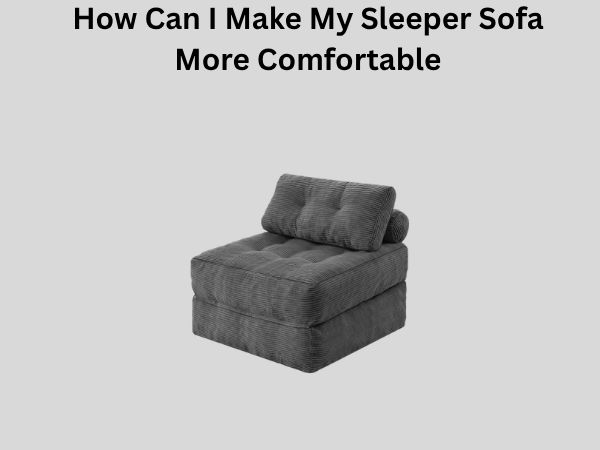
How Can I Make My Sleeper Sofa More Comfortable? The Ultimate Guide to Better Sleep
Let me be honest with you—sleeping on a sleeper sofa isn’t exactly a dream experience for most people. You know that awkward feeling when you’re trying to get comfortable on what feels like a bed made of broken dreams and metal bars? Yeah, we’ve all been there. But here’s the thing: your sleeper sofa doesn’t have to feel like sleeping on a torture device. With the right approach and a few strategic improvements, you can actually transform that uncomfortable couch into a surprisingly cozy sleeping spot.
I’ve spent countless nights on various sleeper sofas—some worse than others—and I’ve learned what actually works and what’s just marketing fluff. In this guide, I’m going to walk you through every practical solution I’ve discovered to make your sleeper sofa genuinely comfortable. Whether you’re dealing with a lumpy mattress, squeaky mechanisms, or just that general sense of awkwardness that comes with sofa sleeping, we’ll cover it all.
Understanding Your Sleeper Sofa Problem
Before we jump into solutions, let’s talk about why sleeper sofas are uncomfortable in the first place. It’s not just your imagination—there are legitimate reasons these hybrid furniture pieces struggle to deliver comfort. Most sleeper sofas sacrifice sleeping quality for daytime functionality. The mattress is thinner than a standard bed mattress, the mechanisms take up valuable space, and the overall construction prioritizes how the sofa looks during the day rather than how it feels at night.
Think of it like trying to wear shoes that are also a backpack. Sure, technically it works, but it’s never going to feel as good as wearing actual shoes and carrying an actual backpack separately. Your sleeper sofa is trying to do two jobs at once, and something’s got to give.
Why Mattress Quality Matters Most
The foundation of comfort starts with understanding that your sleeper sofa mattress is probably the thinnest, least supportive mattress you own. Most sleeper sofas come with incredibly basic mattresses that are sometimes less than 5 inches thick. Compare that to a standard bed mattress that’s typically 8 to 12 inches thick, and you’re already starting from a disadvantage.
The Impact of Thin Mattresses on Your Sleep
A thin mattress means you’re more likely to feel the metal frame and mechanism underneath. You might wake up with pressure points on your hips, shoulders, or back because there simply isn’t enough cushioning between you and the support structure below. This is why comfort upgrades make such a dramatic difference—you’re essentially adding what the sleeper sofa was missing from day one.
Invest in a High-Quality Mattress Topper
This is honestly the single best investment you can make for your sleeper sofa comfort. A mattress topper is like giving your sofa a second chance at life. Instead of accepting the thin, uncomfortable original mattress, you’re adding a substantial layer of cushioning on top.
Which Type of Topper Works Best?
You’ve got several options here, and each has its own benefits:
- Memory foam toppers: These conform to your body shape and provide excellent pressure relief. They’re especially great if you have back pain or joint issues. The downside? They can retain heat, which might make you uncomfortably warm on summer nights.
- Gel-infused toppers: These solve the heat problem by incorporating cooling gel. If you sleep hot, this is your friend.
- Latex toppers: Natural latex is responsive, durable, and doesn’t sleep as hot as traditional memory foam. They’re pricier but last longer.
- Down or down-alternative toppers: If you want a softer feel, down toppers add a cloud-like cushion. They’re less supportive than foam but incredibly cozy.
My recommendation? Start with a medium-density memory foam topper in the 2 to 3-inch range. It’s affordable, effective, and makes an immediate difference. You don’t need to spend a fortune—even a decent 100-dollar topper will dramatically improve your sleeping experience.
How to Choose the Right Thickness
Here’s where people often make mistakes. Thicker isn’t always better. A 4-inch topper is wonderful for a bed, but on a sleeper sofa, too much thickness can make it harder to close the sofa mechanism. Aim for 2 to 3 inches—this gives you real comfort without creating practical problems.
Layer Your Bedding Strategy
Once you’ve addressed the mattress situation, let’s talk about what goes on top of it. Bedding layers matter way more than people realize, especially on a sleeper sofa where everything feels a bit more exposed and less forgiving.
Start With a Quality Fitted Sheet
I know this sounds basic, but hear me out. A cheap, low-thread-count sheet is going to bunch up, slip around, and generally make you miserable throughout the night. Invest in fitted sheets with at least 300 thread count—preferably in a breathable cotton blend. Your sleeper sofa’s irregular dimensions mean you need sheets that actually stay in place.
Add a Mattress Protector
This isn’t just about keeping your mattress clean—though that matters. A good mattress protector adds a subtle cushioning layer that makes the whole setup feel more bed-like. Plus, sleeper sofas are magnets for dust and debris, so protection is genuinely important.
Choose the Right Blankets and Comforters
The weight of your bedding affects comfort significantly. A heavy comforter can feel restrictive on a smaller sleeping surface, while something too light won’t keep you warm. Consider using a lighter duvet with a breathable cover. You want to feel cozy without feeling pinned down.
Address the Frame and Mechanism Issues
Let’s talk about the physical structure that’s sometimes working against your comfort. Sleeper sofas have mechanisms, and mechanisms can be problematic.
Dealing With Squeaks and Creaks
That awful squeaking noise every time you move? It’s usually coming from metal parts rubbing together or the mechanism itself. Try spraying silicone lubricant on the joints where the mechanism connects. Do this before you add your topper so you can access all the problem areas. This single step can eliminate most noise issues.
Preventing Frame Sagging
Over time, the area where the mattress sits can start to sag. You can add extra support by placing a piece of plywood under the mattress. Just make sure it fits within the frame properly—you don’t want it sticking out or preventing the sofa from closing.
Tightening Loose Connections
Most sleeper sofas have bolts and screws that gradually loosen with use. Go through and tighten everything you can reach. This prevents that shifting feeling when you move around during the night. It also reduces movement and noise.
Positioning and Placement Strategies
Where you place your sleeper sofa in the room affects your sleep quality more than you might think.
Avoid High-Traffic Areas
If your sleeper sofa is in a main walkway or near a door, you’ll be dealing with vibrations and disruptions all night. Position it in a quieter corner if possible. Even a few feet can make a difference in how much ambient activity disturbs your sleep.
Consider Temperature and Light
Place your sofa away from heating vents, air conditioning units, and windows if possible. Temperature fluctuations make it harder to stay comfortable throughout the night. Similarly, morning light coming through a window can wake you earlier than you’d like.
Ensure Proper Ventilation
Sleeper sofas can trap heat because they’re essentially enclosing you in a foam and fabric cocoon. Make sure there’s decent air circulation around your sleeping area. This helps prevent that sticky, uncomfortable feeling you sometimes get on sofas.
Pillows and Support Positioning
Your pillow setup on a sleeper sofa is different than on a regular bed. Let me explain why that matters.
Finding the Right Pillow Height
Because sleeper sofas are typically lower than beds and have different angles, your usual pillow might not work properly. Your head might be tilted at an uncomfortable angle, causing neck pain. Experiment with pillow height and firmness. Sometimes using two pillows or swapping to a thinner pillow makes all the difference.
Supporting Your Back and Legs
The shape of a sofa means your back isn’t going to be supported the same way it would be on a bed. Try placing a pillow or rolled blanket behind your lower back to maintain spinal alignment. If your legs hang off awkwardly, use another pillow under your knees. These small adjustments prevent waking up with soreness.
Climate Control for Better Sleep
Temperature regulation is crucial for quality sleep, and sleeper sofas present unique challenges.
Managing Heat Buildup
Memory foam toppers, while comfortable, can trap heat. If you tend to sleep warm, look for gel-infused toppers or use breathable bedding. A lightweight, breathable comforter is better than a heavy blanket. You might even consider using just a sheet in warmer months.
Staying Warm in Cold Months
Conversely, sleeper sofas can feel cold because you’re not surrounded by a bed frame. Layering with blankets helps, but also consider placing a thermal barrier under your mattress topper to prevent cold from the frame itself.
Additional Comfort Enhancements
Armrest Solutions
Armrests can be problematic when you’re trying to sleep. Some people pile pillows on the armrests to create a buffer. Others remove armrest cushions if possible to create more sleeping space. Experiment to find what works for your body size and sleeping style.
Sound Dampening
Beyond the mechanism squeaks, sleeper sofas transmit sound more readily than beds do. A noise machine or earplugs can help if you’re a light sleeper. Additionally, placing a rug under the sofa helps dampen vibrations from the floor.
Aromatherapy and Ambiance
This might sound unconventional, but the right sensory environment genuinely improves sleep quality. A lavender diffuser or pleasant-smelling pillow spray can help your brain associate the sleeper sofa with relaxation. It’s a subtle psychological boost that actually works.
Maintenance for Long-Term Comfort
Keeping your sleeper sofa in good condition ensures it stays comfortable over time.
Regular Cleaning
Dust and allergens accumulate in sleeper sofas quickly. Vacuum your mattress weekly and let it air out in sunlight occasionally. This prevents the musty smell that sometimes develops and keeps dust mites at bay.
Rotating Your Mattress
If your sleeper sofa design allows it, rotate the mattress every couple of months. This helps prevent permanent indentations and extends the lifespan of your comfort upgrades.
Inspecting for Damage
Periodically check the mechanism, frame, and fabric for wear and tear. Catching problems early prevents them from ruining your comfort later. Small repairs now beat major replacements later.
When to Consider a New Sleeper Sofa
Sometimes, despite your best efforts, a sleeper sofa is just too compromised to be comfortable. If the mechanism is broken, the frame is cracked, or the original mattress is irreparably damaged, you might be fighting a losing battle.
However, before you give up, understand that modern sleeper sofas with high-quality mattresses are vastly superior to older models. If your sleeper sofa is more than 10 years old and you’ve tried these upgrades without success, it might be time to invest in a newer model that starts with a better foundation.
Conclusion
Making your sleeper sofa more comfortable doesn’t require you to replace it entirely. By implementing these strategies—starting with a quality mattress topper, upgrading your bedding, addressing mechanical issues, and optimizing your sleep environment—you can transform your sleeper sofa from an uncomfortable obligation into a genuinely restful sleeping space.
The key is understanding that comfort comes from multiple layers of improvement. A topper alone helps, but a topper plus quality sheets, plus proper support, plus environmental optimization creates real, noticeable comfort. Start with the mattress topper since it offers the biggest improvement for your investment, then work through the other upgrades based on your specific problems and budget.
Remember, you spend roughly a third of your life sleeping. Even if you only use your sleeper sofa occasionally, those nights deserve to be as comfortable as possible. You deserve to wake up feeling rested rather than stiff and sore. With the right approach, your sleeper sofa can actually provide that.
Frequently Asked Questions
How thick should a mattress topper be for a sleeper sofa?
A 2 to 3-inch topper is ideal for sleeper sofas. This thickness provides significant comfort improvement without making it difficult to close the sofa mechanism. Thicker toppers can interfere with the folding mechanism and might not fit properly within the frame. I’d avoid going beyond 4 inches unless your sleeper sofa has an unusually deep frame and mechanism clearance.
Can I use regular bed sheets on my sleeper sofa?
Most regular bed sheets won’t fit a sleeper sofa properly because the dimensions are different. However, some people have success using sheets from the next size down—for example, using full-size sheets on a queen sleeper sofa. A better option is buying sheets specifically designed for sleeper sofas or using deep-pocket sheets. The fitted sheet needs to grip securely, so proper fitting is crucial for comfort.
What’s the best way to reduce the metallic smell from a sleeper sofa mechanism?
That metallic or musty smell often comes from the mechanism and enclosed frame area. Air out the sofa by opening it fully and letting it sit in sunlight for several hours. Sprinkle baking soda on the mattress, let it sit for a few hours, then vacuum thoroughly. You can also place activated charcoal near the mechanism—don’t put it directly on the mattress, but position it in the frame area. These odors typically fade within a few weeks as the sofa is used and aired regularly.
Is a memory foam topper better than a latex topper for sleeper sofas?
Both work well, but they have different advantages. Memory foam is more affordable, conforms closely to your body, and is widely available. Latex is more durable, sleeps cooler, and is better for people who dislike the sinking feeling of memory foam. If you sleep hot, latex or gel-infused memory foam is preferable. If you have joint pain and want maximum contouring, memory foam is your best choice. There’s no universally better option—it depends on your personal preferences.
How can I make a sleeper sofa bed last longer?
Regular maintenance is everything. Rotate your mattress monthly, vacuum the surface weekly, and open and close the mechanism gently—don’t force it. Protect the mattress with a quality protector to prevent stains and wear. Keep the mechanisms lubricated to prevent
![10 Best Budget Friendly Sofas [2026]](https://hometopaccesories.com/wp-content/uploads/2026/08/10-best-budget-friendly-sofas-2026-featured-768x432.jpg)


![10 Best Comfortable Sofa Set [2026]](https://hometopaccesories.com/wp-content/uploads/2026/09/10-best-comfortable-sofa-set-2026-featured-768x432.jpg)