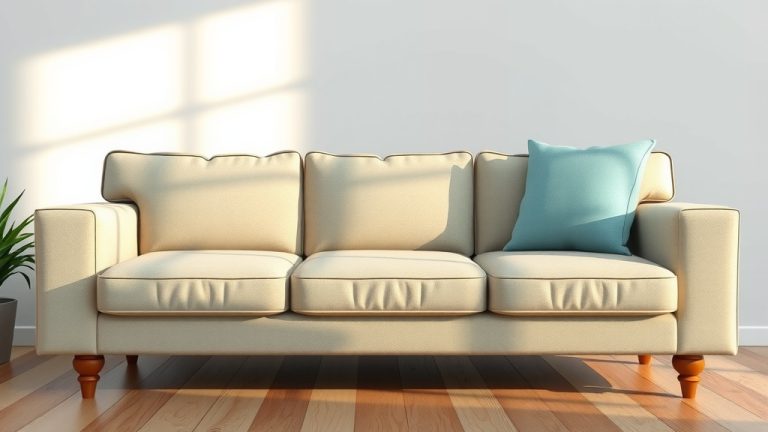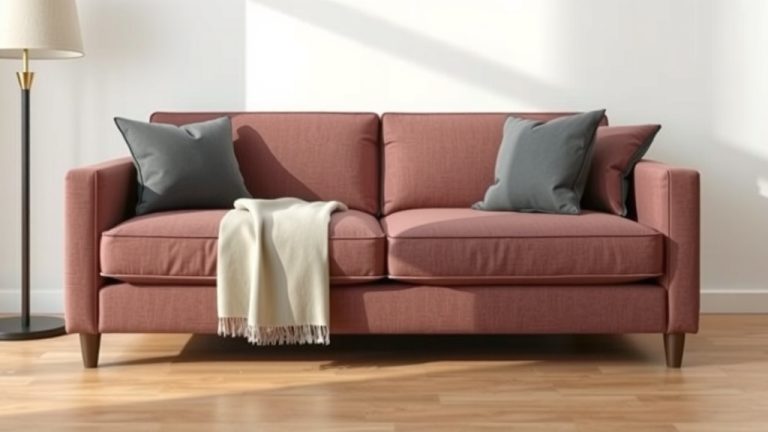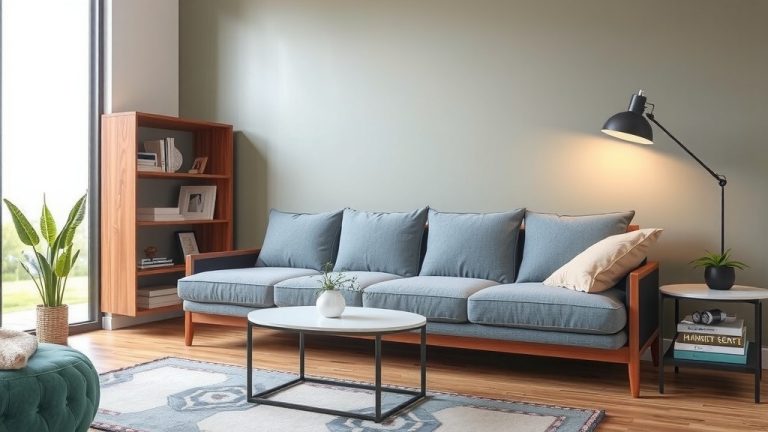
How Deep Are Sofas? Easy Sizing Guide
Most standard sofas are about 36 to 40 inches deep. This measurement is from the front of the seat to the very back. But your sofa might be deeper or shallower. Things like style and construction play a big role. Understanding your sofa’s depth helps with furniture placement and comfort. You want it to fit just right in your room.
The overall depth can differ based on the sofa’s design. For example, modern styles may have shallower seats. Deeper seats often mean more sink-in comfort. We found that measuring your existing sofa is the best way. This helps you avoid furniture nightmares later on. It’s a simple step that saves a lot of hassle.
- Average sofa depth: 36-40 inches.
- Depth varies by sofa style.
- Deeper seats are often comfier.
- Measure your sofa for best fit.
- Depth impacts room layout.
Let’s get down to the nitty-gritty of sofa sizing. We’ll help you figure out exactly how deep your sofa is and what that means for your space.
Understanding Your Sofa’s True Depth
So, you’re wondering about sofa depth. It’s more important than you might think. This measurement affects how the sofa feels and how it fits your room. Let’s break down what sofa depth really means for you.
Measuring Your Sofa’s Depth Correctly
First, you need to know how to measure. This isn’t a trick question. It’s all about getting the right number. You’ll need a tape measure for this. Make sure you have one handy.
The Standard Depth Measurement
The overall depth of a sofa is measured from the front edge of the sofa to the very back. This includes the frame and any upholstery. It’s a simple measurement, but it tells you a lot.
What’s Included in the Depth?
This measurement typically includes the legs of the sofa. The depth is usually taken from the furthest point out to the furthest point back. This gives you the complete picture of its footprint. Don’t forget to measure all the way down to the floor if legs are attached.
Factors That Influence Sofa Depth
Why do sofas come in different depths? Several things play a role. The design of the sofa is a big one. So is how it’s built. Even the materials used can affect it.
Style Plays a Big Role
Different sofa styles naturally have different depths. A traditional sofa might have a deeper seat for a more formal look. A modern or minimalist sofa often has a sleeker, shallower design. We found that the sofa’s silhouette is a key indicator of its depth.
Construction and Materials Matter
How a sofa is put together also impacts its depth. A sofa with thick, plush cushions might seem deeper than it is. Some frames are built to be more compact. Others are designed for maximum seating space. The type of filling in the cushions can also add or subtract perceived depth. For example, down-filled cushions can compress, making the seat feel shallower over time.
Seat Depth vs. Overall Depth
It’s important to distinguish between seat depth and overall depth. Overall depth is the total footprint. Seat depth is the measurement from the front of the cushion to the front of the sofa back. Many people find seat depth more important for comfort. A deeper seat might be great for lounging. A shallower seat might be better for upright sitting.
How Different Sofa Styles Affect Depth
Let’s look at how popular sofa styles typically stack up in terms of depth. This can help you narrow down your choices.
Common Sofa Styles and Their Depths
We’ve researched several common sofa types. Here’s what we generally find regarding their depth.
The Traditional Sofa
Traditional sofas often lean towards the deeper end of the spectrum. They might measure 38 to 42 inches in overall depth. This is to accommodate their often rolled arms and more generous proportions. They aim for a classic, comfortable feel.
The Modern Sofa
Modern sofas tend to be more streamlined. You’ll often find them with overall depths between 34 to 38 inches. They prioritize clean lines and a more minimalist aesthetic. This can mean a less deep seating area.
The Mid-Century Modern Sofa
These sofas can vary. Many feature a balanced depth, typically around 36 to 40 inches. They often have slightly tapered legs and a more upright back. Their seat depth is usually comfortable for sitting without being too deep.
The Chesterfield Sofa
Chesterfield sofas are known for their deep, button-tufted appearance. They can range from 38 to 44 inches in depth. Their distinctive rolled arms contribute to their substantial footprint.
A Quick Comparison of Sofa Depths
Here’s a simple table to help you visualize the differences. Keep in mind these are general ranges.
| Sofa Style | Typical Overall Depth (inches) |
|---|---|
| Traditional | 38-42 |
| Modern | 34-38 |
| Mid-Century Modern | 36-40 |
| Chesterfield | 38-44 |
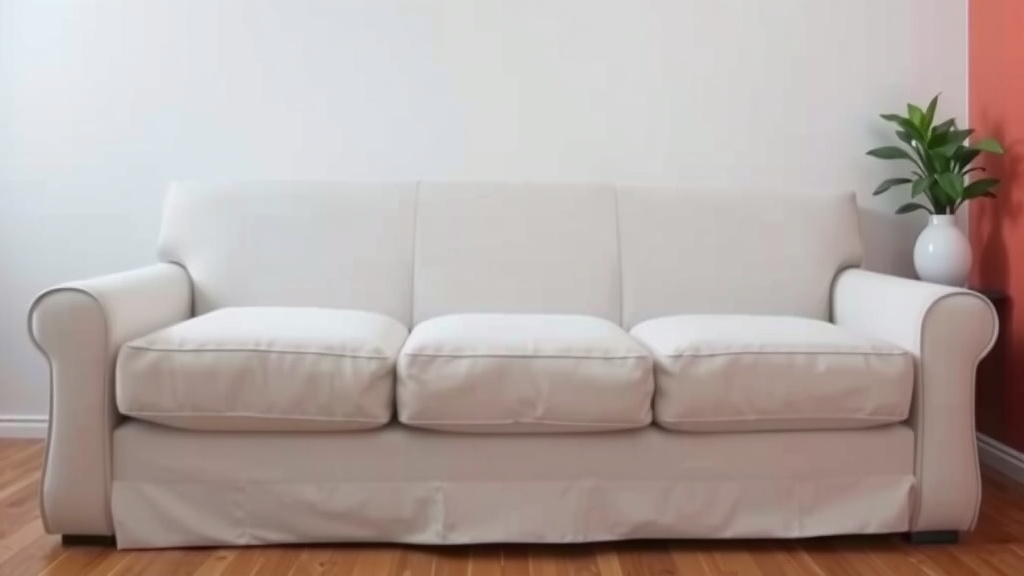
Why Sofa Depth Matters for Your Space
Knowing your sofa’s depth is crucial for planning your room. It’s not just about how it looks, but how it functions.
Room Layout and Flow
The depth of your sofa directly impacts the amount of walkway space you have. A deeper sofa can eat up more floor space. This can make a room feel smaller or more cramped. Conversely, a shallower sofa can open up the room. It allows for easier movement around the furniture. Many interior designers recommend a minimum of 30-36 inches for main walkways (Houzz).
Comfort and Usability
How deep is comfortable for you? This is a personal preference. A deep sofa is great for curling up with a book. You can really sink into it. A shallower sofa might be better for sitting upright. It’s ideal for conversations or for people who prefer firmer support. We found that seat depth is key here. A good seat depth should allow you to rest your back against the sofa while keeping your feet flat on the floor.
Scale and Proportion
The depth of your sofa should also be in proportion to your room size. A very deep sofa in a small room can look overwhelming. It might dominate the space. In a large room, a very shallow sofa might look lost. It won’t feel balanced. Finding the right scale ensures your furniture looks intentional and fits harmoniously.
Consider Your Needs and Habits
Think about how you use your sofa. Do you binge-watch shows and need maximum comfort for lounging? Or do you primarily use it for occasional seating and conversation? Your habits will guide you to the right depth. For example, if you often have guests who need a place to sit upright, a shallower sofa might be more practical. If you have a large family and need extra seating, a modular sectional with deeper seats could be a good fit.
Your Sofa Sizing Checklist
Ready to assess your sofa situation? Keep these quick steps in mind:
- Grab your trusty tape measure.
- Measure the overall depth from front to back.
- Measure the seat depth from cushion front to sofa back.
- Note the sofa’s style for context.
- Consider your room size and desired flow.
- Think about your personal comfort preferences.
Conclusion
Understanding your sofa’s depth is more than just a number; it’s about creating a space that feels right for you. We’ve seen how everything from style to construction influences this measurement. Whether you prefer sinking into a deep seat or sitting more upright, the right depth enhances comfort and room flow. Now that you know the basics, grab that tape measure! Assess your current sofa or when shopping for a new one. Make an informed choice for a comfortable and well-proportioned living area.
Frequently Asked Questions
What is considered a “deep” sofa?
Generally, a sofa with an overall depth exceeding 40 inches is considered deep. This often means a more sink-in comfort level, perfect for lounging. However, “deep” can also refer to seat depth, which is a more personal preference for how you sit.
Can a shallow sofa still be comfortable?
Absolutely! A shallower sofa (around 34-38 inches) can be very comfortable, especially for those who prefer a more upright seating position. They are also great for smaller spaces or for improving room circulation. It really depends on how you plan to use your sofa.
How do I know if my sofa is too deep for my room?
If your sofa makes it difficult to walk around it, or if it visually overwhelms the space, it might be too deep. Interior designers often recommend at least 30-36 inches of walkway space around furniture. Measure your room and the planned placement area before deciding.
Does sofa arm style affect depth?
Yes, arm style can influence overall depth. Sofas with rolled or very thick arms will naturally have a greater overall depth than those with slim or track arms. When measuring, be sure to include the widest point, which is often the arms.
What’s the best way to measure my sofa’s depth?
Use a tape measure. Start at the very front edge of the sofa, on the floor, and extend the tape straight back to the furthest point on the back of the sofa, including the legs. This gives you the total footprint of your sofa.