How to Choose Upholstery Fabric for Your Sofa: Buyer’s Guide
Choosing upholstery fabric for your sofa comes down to four things: durability, how you live, your budget, and the look you want. A busy household with kids or pets needs a tough, stain-resistant fabric, while a quiet living room can get away with something softer and more delicate.
So how do you know which fabric fits your life? That’s where things like weave, rub count, and cleanability come in. Sounds technical, right? Don’t worry. We researched what industry experts and fabric manufacturers recommend, and we found that picking the right fabric is easier than it looks once you know a few simple rules.
- Pick a fabric based on how much wear your sofa gets every day.
- Check the rub count — higher numbers mean stronger fabric.
- Match the fabric to your lifestyle: pets, kids, and spills all matter.
- Compare natural fabrics like cotton and linen with synthetics like polyester and microfiber.
- Always factor in cleaning and long-term care before you buy.
Below, we break down everything you need to know about choosing sofa upholstery fabric, step by step. Grab a coffee, and let’s find the fabric your couch deserves.
Picking the Right Upholstery Fabric for Your Sofa
The fastest way to narrow your choices is to match the fabric to your daily life. A sofa that hosts movie nights, naps, and a golden retriever needs a different fabric than one in a formal sitting room (Mayo Clinic recommends easy-to-clean surfaces in high-use rooms).
We found that most people regret two things: buying a fabric that’s too delicate, and buying one that looks great but feels rough. Let’s make sure you avoid both.
Start With Durability: What Is a Rub Count?
Every upholstery fabric gets tested for durability using something called a double rub. Think of it as a robot rubbing the fabric back and forth like someone sliding in and out of a seat. More rubs survived means a stronger fabric.
- 15,000 to 25,000 double rubs: Light use, like a guest room or reading chair.
- 25,000 to 50,000: Everyday family sofa.
- 50,000 or more: Heavy use. Great for homes with kids or pets.
Many experts say anything above 50,000 double rubs is “heavy duty.” You probably won’t need more than that, even if your kids treat the couch like a trampoline.
Natural Fabrics vs. Synthetics
Both families of fabric have fans. Here’s the honest breakdown we found after comparing common options.
| Fabric | Best For | Watch Out For |
|---|---|---|
| Cotton | Comfort, casual looks | Wrinkles and stains easily |
| Linen | Airy, high-end style | Weak against spills and pet claws |
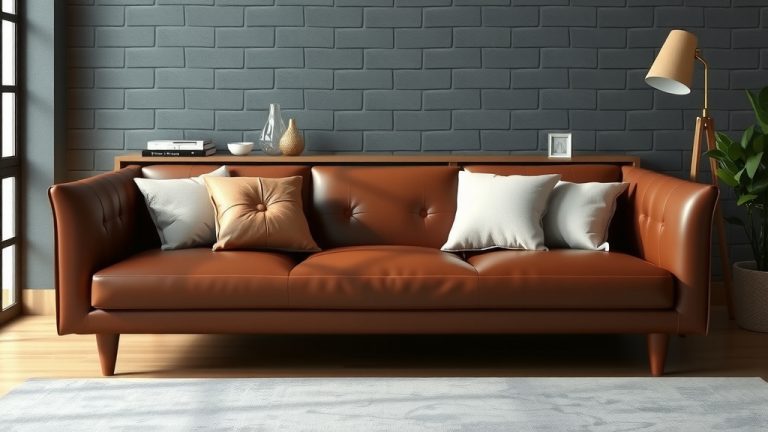
| Leather | Longevity, easy wipe-downs | Higher price, heat in summer |
| Polyester blends | Stain resistance, budget | Can pill over time |
| Microfiber | Pet hair, busy families | Loves soaking up oily stains |
| Velvet | Luxury feel | Shows marks and needs care |
Notice a pattern? The softest, prettiest fabrics usually demand the most care. That’s the trade-off you’re negotiating.
Match the Fabric to Your Lifestyle
Ask yourself one question: who sits on this sofa? Be honest. If your answer includes dogs, toddlers, or a spouse who eats salsa on the couch, your list shrinks fast.
Have Kids or Pets?
Go for performance fabrics or tight weaves like microfiber. They resist claws, crumbs, and mystery stains. Leather works too, since you can wipe it clean in seconds.
One tip from pet owners we researched: pick a fabric color close to your pet’s fur. A tan couch hides a tan dog’s shedding beautifully.
Low-Traffic Living Room?
Lucky you. You can enjoy linen, wool blends, or even delicate cotton without much worry. Just keep food and drinks on the coffee table, not the cushions.
Color and Pattern: More Than a Style Choice
Color does real work. Dark fabrics hide stains but can feel heavy in a bright room. Light fabrics open up a space but show everything — crumbs, lint, and that one coffee drip.
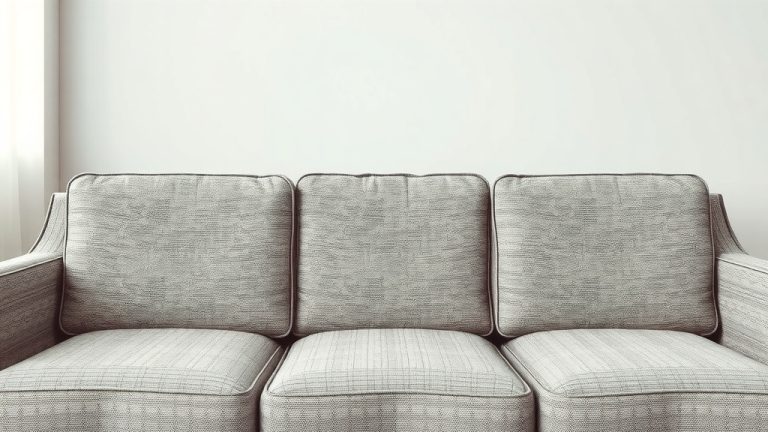
Patterns and textures are your secret weapon. A heathered weave or subtle print hides small messes far better than a flat solid. If you want white, look at performance fabrics with stain-shielding finishes instead of raw cotton.
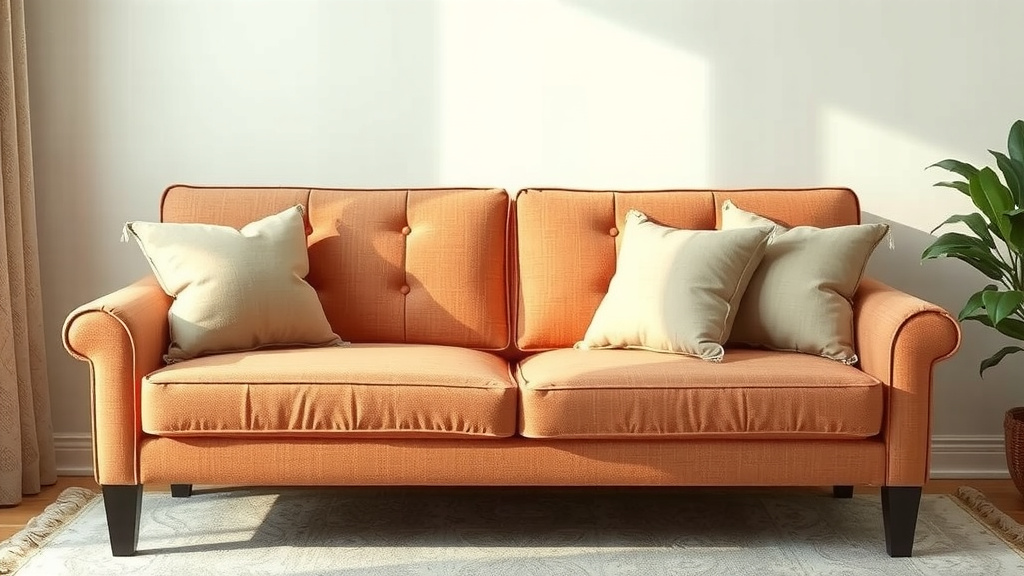
Also think long-term. Trends fade. A neutral base with colorful throw pillows lets you change your look without reupholstering.
Cleaning and Care: Read the Label First
Fabric care codes matter more than most shoppers realize. Look for these letters on the tag:
- W: Clean with water-based cleaner.
- S: Solvent only. No water.
- W/S: Either works.
- X: Vacuum only. Professional cleaning needed.
We found that many fabric experts now recommend removable, washable covers for families. When the juice box strikes, you can toss the cover in the wash instead of calling a pro.
Budget: How Much Should You Spend?
Prices swing wildly, and that’s okay. You can find decent polyester blends at budget stores and spend hundreds per yard on designer linen. Neither choice is wrong.
Here’s a smarter way to think about it: divide the fabric price by the years you expect to keep the sofa. A pricey, long-lasting fabric often costs less per year than a cheap one you replace twice. Many experts say spend more on the frame and fabric, less on extras.
Texture and Comfort: Don’t Skip the Touch Test
Screens lie about fabric. Order swatches, hold them, scrunch them, and sit on them if possible. A fabric that looks plush online can feel scratchy in person.
Rub the swatch between your fingers for 30 seconds. Does it pill? Does it feel slick? Would you want your arm against it for a two-hour movie marathon? That’s the real test.
Practical Extras Most Shoppers Forget
A few small details save big headaches later. Check these before you commit:
- Pattern matching: Stripes and florals need extra yardage to line up at seams.
- Direction: Velvet and corduroy show shading if cushions face different ways. If velvet is on your shortlist, our velvet sofa durability review explains which types hold up best.
- Light exposure: Direct sun fades most fabrics. Ask about UV resistance for sunny rooms.
- Finishes: Stain-guard treatments help, but ask if they can be reapplied.
Your Quick Pre-Purchase Checklist
Before you buy, run through this list. It takes two minutes and saves weeks of regret:
- Confirm the rub count fits your daily use level.
- Order and touch a real swatch at home.
- Check the cleaning code and decide if you can live with it.
- Match the color to your pets and lighting, not just your mood board.
- Ask about washable covers or stain-resistant finishes.
- Measure twice so you order enough fabric — including pattern repeats.
Do these six things and you’ll walk into any fabric store feeling like the expert. Your sofa — and everyone who flops onto it — will thank you.

Conclusion
Choosing the right upholstery fabric isn’t about finding the “best” option — it’s about finding the best option for your sofa and the life it lives. Start with the rub count, be honest about kids, pets, and snack spills, and always touch a real swatch before you commit. Check the cleaning code, think about color in terms of your actual room, and spend where it counts: durability first, style second. When you balance those pieces, you get a couch that looks great for years, not months. Your next step is simple: order three to five fabric swatches this week and test them at home. Your future self, curled up on a perfect sofa, will be glad you did.
Frequently Asked Questions
What is the most durable fabric for a sofa?
In our research, tight-weave synthetics like microfiber and high-quality polyester blends consistently come out on top for everyday durability. Leather is also a strong performer and often looks better with age. Look for a rub count of 50,000 or more if your sofa gets daily use.
Is it cheaper to reupholster a sofa or buy a new one?
It depends on the quality of your current sofa. Reupholstering a well-made frame usually costs less than buying an equivalent high-end new sofa, but it can cost more than a budget replacement. If your couch has good bones, reupholstery is often worth it.
How much fabric do I need to reupholster a sofa?
Most standard sofas need between 12 and 18 yards of fabric, while a large sectional can require 25 yards or more. Add 10 to 15 percent extra for pattern matching and mistakes. When in doubt, ask an upholsterer to measure before you order.
What color sofa fabric shows the least dirt?
Mid-tone colors and heathered or textured weaves hide everyday messes better than bright whites or deep blacks. A good trick many pet owners use: pick a shade close to your pet’s fur. Patterns also disguise crumbs and lint far better than flat solids.
Are performance fabrics worth the extra money?
For most busy households, we found the answer is yes. Performance fabrics resist stains, fading, and moisture, which means fewer professional cleanings and a longer-looking sofa. If you have young kids, pets, or a light-colored couch in a sunny room, the upfront cost usually pays off.