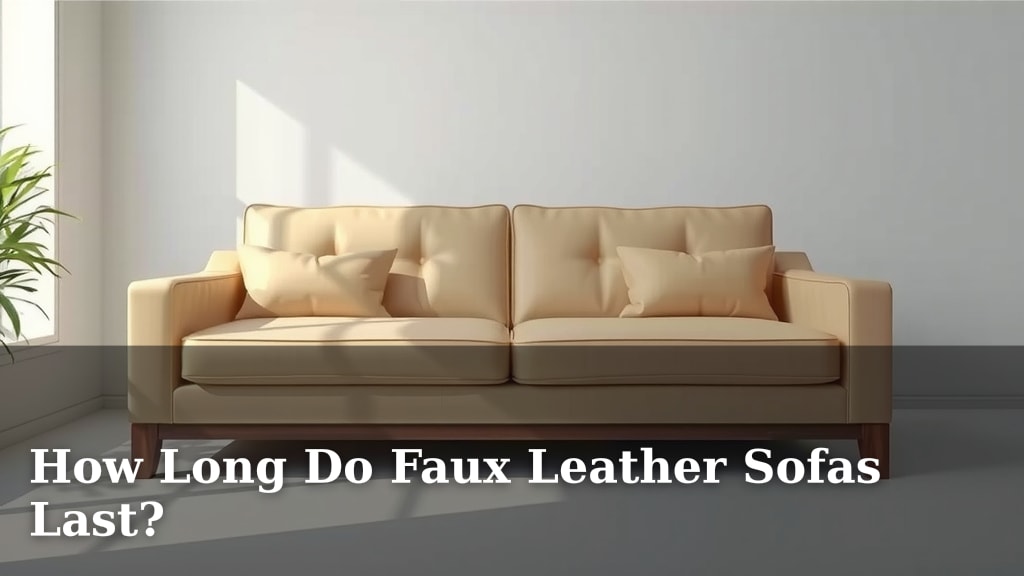
How Long Do Faux Leather Sofas Last?
You’re probably wondering how long your faux leather sofa will actually last. Most high-quality faux leather sofas can last between 5 to 10 years with proper care. Some might even stretch to 15 years if they’re exceptionally well-made and you treat them gently. It really depends on the quality of the material and how much daily wear and tear it endures.
Faux leather, also known as vegan leather or PU leather, can be a fantastic and more budget-friendly alternative to real leather. But its lifespan isn’t always as long as genuine leather. Factors like the material’s thickness, the stitching quality, and how often your sofa is used play a big role in its longevity. We’ve looked into what makes these sofas hold up (or not!).
TL;DR:
- Faux leather sofas can last 5-10 years on average.
- Quality matters; better materials last longer.
- Daily use impacts wear and tear significantly.
- Proper cleaning and maintenance are key.
- Avoid direct sunlight and harsh chemicals.
Ready to learn what influences your sofa’s durability and how you can get the most out of it? Let’s break down the factors affecting how long your faux leather sofa will stay looking great.
“`htmlYour Faux Leather Sofa’s Lifespan: What to Expect
So, how long can you realistically expect your faux leather sofa to stick around? We found that most well-made faux leather sofas have a good run, typically lasting between 5 to 10 years. Some might even surprise you and hang in there for 15 years if they’re top-notch and get gentle treatment. It’s a bit like a good pair of shoes; quality and care make a huge difference.
Factors Influencing Your Sofa’s Durability
Material Quality: The Foundation of Longevity
The biggest player in how long your sofa lasts is the quality of the faux leather itself. Think of it like building a house. You want strong foundations. Faux leather is made from a fabric base, then coated with a polymer, usually polyurethane (PU) or polyvinyl chloride (PVC). Higher quality versions use thicker coatings and better base fabrics. This makes them more resistant to cracking, peeling, and general wear and tear. We found that sofas with a thicker PU coating tend to fare much better over time than those with a thin, flimsy layer.
Construction and Stitching: Holding it All Together
Beyond the material, how the sofa is built matters a lot. Are the seams well-stitched? Is the frame sturdy? You want to see strong, even stitching, ideally with reinforced corners. Loose threads or weak seams are often the first signs of trouble. Many furniture makers use a high-density foam for cushioning, which holds its shape better and lasts longer. We’ve seen that sofas with a solid wood frame are generally more durable than those with particleboard or metal frames.
Your Lifestyle: The Daily Grind
Let’s be honest, your sofa is probably a hub of activity. Kids jumping, pets lounging, movie nights with snacks – it all adds up. The more your sofa is used, the faster it will show signs of wear. A family with young children or pets will likely see wear and tear sooner than a single person or a couple who uses their sofa less frequently. We found that high-traffic areas in your home naturally lead to more wear on furniture.
Pets and Kids: A Tougher Test
Do you have furry friends or tiny humans? If so, your faux leather sofa is going to face some extra challenges. Claws can scratch the surface, and accidents can happen. Some types of faux leather are more scratch-resistant than others, but most aren’t completely immune. Regular cleaning is key here to prevent stains from setting in.
Daily Use and Abuse
Even without pets or kids, simply sitting on your sofa daily puts stress on the material and frame. The spots where you sit most often will likely show wear first. Think about how you use your sofa. Do you often eat or drink on it? This can lead to spills and stains, which, if not cleaned properly, can damage the material over time.
Maximizing Your Faux Leather Sofa’s Lifespan
The good news is you’re not just a passive observer in your sofa’s journey. You can actually influence how long it lasts. A little effort goes a long way in keeping your faux leather looking and feeling great for years to come.
The Power of Proper Cleaning
Regular cleaning is your best friend for maintaining faux leather. Dust and debris can act like tiny sandpaper, slowly abrading the surface over time. A gentle wipe-down with a soft, damp cloth is usually all that’s needed for routine cleaning. For spills, blot them immediately. We found that using mild soap and water can help tackle tougher spots, but always test in an inconspicuous area first. Avoid harsh chemicals or abrasive cleaners; they can strip the coating and cause damage.
What to Use (and What to Avoid)
For everyday cleaning, a microfiber cloth dampened with water is perfect. If you need a bit more cleaning power, mix a tiny amount of mild, non-detergent soap with water. Wipe the area gently and then rinse with a clean, damp cloth. Always pat the area dry afterward. What should you absolutely avoid? Anything with bleach, ammonia, or strong solvents. These are the enemies of faux leather.
Strategic Placement: Sun and Heat Savvy
Where you put your sofa can make a significant difference. Direct sunlight is a major culprit in damaging faux leather. UV rays can cause the material to fade, dry out, and even crack over time. Think of it like leaving a plastic toy out in the sun all summer – it gets brittle. We found that keeping your sofa away from direct sunlight, even through windows, will help preserve its color and integrity. Similarly, avoid placing it too close to heat sources like radiators or fireplaces, as excessive heat can also cause drying and cracking.
Protection and Prevention: Small Steps, Big Impact
Consider using throws or blankets in high-use areas. This adds an extra layer of protection against spills, stains, and everyday wear. If you have pets, a pet-friendly slipcover can be a lifesaver. Regularly check for loose threads or small tears and address them promptly before they become bigger problems. We found that simple preventative measures can significantly extend the life of your furniture.
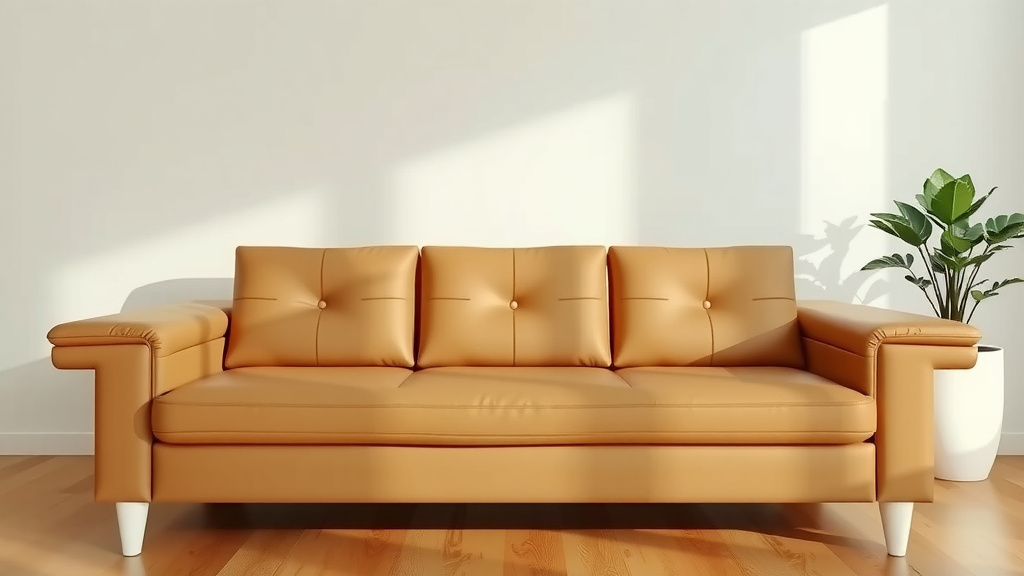
When to Consider Replacing Your Sofa
Even with the best care, all furniture has a lifespan. You’ll know it’s time to start thinking about a replacement when you notice significant peeling, cracking, or tearing that can’t be repaired. If the cushioning has become permanently flattened and uncomfortable, that’s another sign. Sometimes, even if the material is holding up, the style might feel dated, and that’s perfectly okay too! Your home should reflect your current taste.
Here’s a quick checklist to help you assess your sofa’s health:
- Check for visible cracks or peeling in the material.
- Inspect stitching for any loose threads or popped seams.
- Assess the firmness of the cushions – are they still supportive?
- Note any significant fading or discoloration.
- Consider overall comfort and structural integrity.
- Think about whether it still fits your lifestyle and décor.
Conclusion
You’ve learned that your faux leather sofa’s lifespan hinges on a few key factors. Quality of the material, solid construction, and your daily habits all play a role in its durability. With the right care, including consistent cleaning and strategic placement away from sun and heat, you can extend its life significantly. Aim to keep it clean, protected, and out of harsh elements. When you notice major wear like peeling or irreparable damage, it might be time for a new one, but with these tips, you can enjoy your current sofa for years to come. Start implementing these simple care steps today to protect your investment!
Frequently Asked Questions
Will faux leather crack over time?
Yes, faux leather can eventually crack, especially if exposed to direct sunlight or extreme heat. This drying out process weakens the material. Consistent cleaning and avoiding harsh environmental factors can help prevent this from happening too quickly.
Can a scratched faux leather sofa be repaired?
Minor scratches on faux leather can sometimes be buffed out or repaired with a leather repair kit. For deeper gouges or significant peeling, a full repair is often difficult and may not look seamless. Prevention is key to avoiding these kinds of damages.
Is faux leather furniture good for high-traffic areas?
While some high-quality faux leathers are quite durable, they are generally not as resilient as genuine leather in very high-traffic zones. We found that frequent use, especially with kids or pets, can accelerate wear and tear. Consider a more durable material for areas that see constant activity.
How often should I deep clean my faux leather sofa?
A deep clean isn’t usually necessary very often, perhaps once or twice a year, depending on use. Regular dusting and spot cleaning spills immediately are much more important for daily maintenance. Focus on gentle, routine care rather than infrequent, harsh deep cleaning.
Does the color of faux leather affect its lifespan?
Lighter colors might show stains more readily, requiring more frequent cleaning. Darker colors can sometimes fade more noticeably when exposed to direct sunlight over time. Overall durability isn’t typically dictated by color, but by the quality of the material and how you maintain it.
![10 Seater Sofa [2026]](https://hometopaccesories.com/wp-content/uploads/2026/08/10-seater-sofa-2026-featured-1-768x432.jpg)

![10 Best Affordable Sectional Sofa Reddit [2026]](https://hometopaccesories.com/wp-content/uploads/2026/08/10-best-affordable-sectional-sofa-reddit-2026-featured-768x432.jpg)
![10 Best Colors For Sofa Sets [2026]](https://hometopaccesories.com/wp-content/uploads/2026/09/10-best-colors-for-sofa-sets-2026-featured-768x432.jpg)