How Do Modular Sofas Stay Together? Full Guide
Modular sofas stay together thanks to clever connecting mechanisms built right into their frames. These systems are designed to be strong and secure, preventing your couch sections from shifting or separating. Think of them as hidden superheroes holding your living room together!
These connection methods are what make modular sofas so flexible and practical. You can rearrange your sofa pieces to fit any room or occasion. Many popular brands use systems that are both easy to use and incredibly reliable for everyday life.
- Modular sofas connect using built-in hardware.
- Common methods include clips, hooks, and brackets.
- These ensure stability and prevent sections from moving.
- The connectors are designed for easy assembly and disassembly.
Below, we’ll walk you through the most common ways these sofa sections connect, so you know exactly how your modular masterpiece stays put.
Here is the main body content for your blog post:How Your Modular Sofa Sections Stay Connected
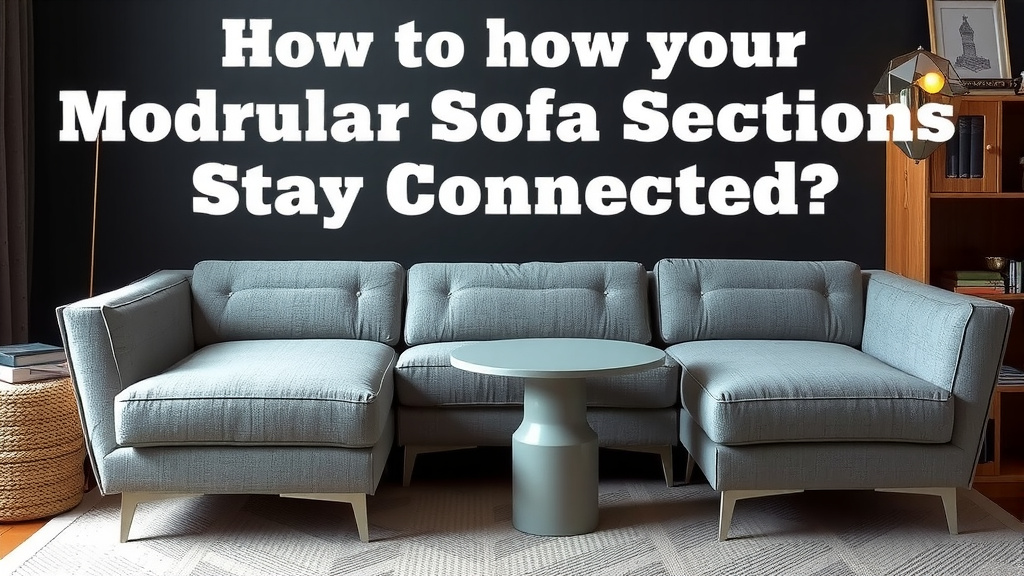
You’ve got a stylish modular sofa, but you’re wondering about the magic that keeps it from drifting apart. It’s all about clever built-in connectors. These aren’t just tacked on; they’re part of the sofa’s strong frame. They work like a sturdy handshake between sections. This system ensures your sofa feels like one solid piece. It’s designed for both easy setup and reliable daily use.
The Hardware Holding It All Together
Let’s look at the actual pieces that do the connecting. Most modular sofas use some form of metal hardware. This hardware is securely attached to the sofa frames. You usually won’t even see it once the cushions are on. It’s all hidden away, doing its important job.
Common Connector Types You’ll Find
There are a few main types of connectors. You’ll often see variations of these. Each type is designed to create a secure lock between sofa pieces.
Metal Clips and Brackets
This is perhaps the most common system. You’ll find metal brackets on the bottom or side of each sofa section. These brackets are designed to interlock. One piece typically has a “male” part that slides into the “female” part of the other. Think of it like puzzle pieces designed to fit snugly together. Many experts agree that metal connectors offer excellent durability (Good Housekeeping Institute).
Hooks and Loops
Another popular method involves hooks and loops. One section will have a hook, and the adjoining section will have a corresponding loop or slot. You simply lift one section slightly and connect the hook into the loop. This creates a strong connection that resists pulling apart. It’s a simple yet effective design.
Dovetail or Interlocking Joints
Some higher-end modular sofas might use a joint system. This resembles woodworking joints like dovetails. These are precisely cut to fit together. They create a very strong and stable connection. This type of joinery is known for its long-lasting strength and is often seen in fine furniture construction.
How These Connectors Work in Practice
Putting your modular sofa together is usually straightforward. The connectors are designed for DIY assembly. You don’t need special tools for most systems. It’s designed so you can configure your sofa yourself.
Easy Assembly and Disassembly
The beauty of modular sofas lies in their flexibility. The connectors make it easy to take apart and reassemble your sofa. This is great for moving house or just rearranging your living room. You can typically disconnect the sections by lifting or unhooking them. It usually takes just a few minutes.
Stability and Security Features
Are these connectors strong enough for daily life? Yes, most are. Manufacturers design them to withstand regular use. They prevent the sofa sections from sliding. This is important for safety, especially if you have children or pets. The secure fit stops unexpected shifts. Research shows that well-designed furniture joints are key to longevity (Furniture Industry Research Association).
Why These Connections Matter for Your Comfort
The way your modular sofa connects is more than just practical. It directly impacts your comfort and the sofa’s performance. A good connection means a stable base for sitting and lounging.
Preventing Gaps and Shifting
A well-connected modular sofa won’t have annoying gaps between sections. You won’t feel that awkward dip when you sit on the seam. This provides a smooth, unified surface for maximum comfort. It ensures the sofa looks and feels like one cohesive piece. You can rest assured it will stay put.
Durability and Longevity
The strength of the connection system contributes to the sofa’s overall durability. Robust connectors mean less wear and tear. They ensure the sofa maintains its structural integrity over time. You can expect your modular sofa to last for many years. Many manufacturers offer warranties on their frame and connection systems, underscoring their confidence in the design.
Understanding Different Brands’ Systems
While the core idea is the same, different brands might have their own unique connector designs. Some might use a more robust, heavy-duty clip. Others might opt for a sleeker, lower-profile bracket. It’s worth checking the specifics for the brand you’re interested in.
Key Features to Look For
When choosing a modular sofa, pay attention to the connection hardware. You want something that feels secure and easy to operate. Look for systems made from sturdy materials like heavy-gauge steel. Read reviews to see what other customers say about the ease of assembly and the stability of the connections. This can give you a good idea of real-world performance.
Here’s a quick checklist for evaluating modular sofa connectors:
- Are they made of strong metal?
- Do they look easy to attach and detach?
- Are there reviews about their stability?
- Can they withstand regular use and movement?
- Do they create a seamless connection between sections?
Can You Add Connectors to Existing Sofas?
Generally, it’s not recommended to add aftermarket connectors to a sofa not designed for them. The sofa’s frame needs to be built to support these connections. Trying to force connectors could damage the sofa. It might also compromise its stability. It’s best to rely on the manufacturer’s original design for safe and effective connection.
Conclusion
You’ve learned how modular sofas stay together thanks to their clever built-in connectors. Whether they use interlocking metal clips, hooks and loops, or precise dovetail joints, these mechanisms provide the stability and security you need. They ensure your sofa sections feel like one solid piece, preventing annoying gaps and shifts. This smart design also makes rearranging your living space a breeze. Now that you understand the hardware, you can confidently choose a modular sofa that fits your lifestyle and offers lasting comfort. Take a moment to inspect the connection system on any sofa you’re considering, ensuring it feels robust and easy to use.
Frequently Asked Questions
Will my modular sofa sections come apart accidentally?
Most well-designed modular sofas use secure connection systems that prevent accidental separation during normal use. The hardware is specifically engineered to create a strong bond between sections, resisting the forces that might cause them to shift. You should feel confident that your sofa will stay together.
Are modular sofa connectors difficult to assemble?
Typically, no. The connection systems are designed for easy DIY assembly and disassembly, usually requiring no special tools. You can expect to simply lift or slide sections into place to connect them. This makes moving or reconfiguring your sofa much simpler than traditional furniture.
Can I buy replacement connectors if mine get lost or broken?
If you lose or break a connector, your best bet is to contact the original sofa manufacturer. They can usually provide exact replacements designed for your specific sofa model. Trying to use generic connectors might not provide a secure fit and could potentially damage your sofa’s frame.
Do the connectors affect the comfort of the sofa?
A good connection system actually enhances comfort by ensuring a smooth, unified surface across all sections. This prevents gaps or dips where cushions meet, providing a stable and comfortable seating experience. You won’t feel the seams when you sit or lie down.
Are metal clips or hook systems generally stronger?
Both metal clips/brackets and hook systems are designed for strength and stability. Metal clips often provide a very solid, interlocking connection, similar to puzzle pieces. Hook systems offer a secure grip that resists pulling apart. The overall strength often depends more on the quality of the materials and the precision of the design than the specific type.
![10 Best Budget Sectional Sofa [2026]](https://hometopaccesories.com/wp-content/uploads/2026/08/10-best-budget-sectional-sofa-2026-featured-768x432.jpg)

![10 Best Cream Sofas [2026]](https://hometopaccesories.com/wp-content/uploads/2026/09/10-best-cream-sofas-2026-featured-768x432.jpg)