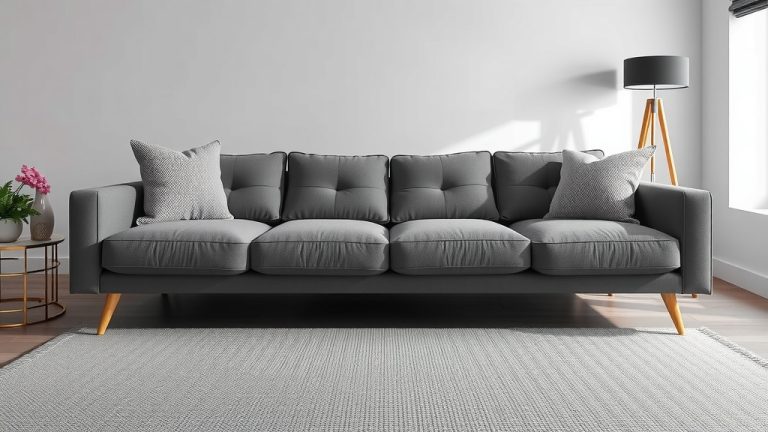
How High Is a Sofa? Standard Height Explained
A typical sofa height, measured from the floor to the top of the back cushion, ranges from 30 to 36 inches. The seat height itself, from floor to the top of the cushion, is usually between 17 to 20 inches. This ensures a comfortable sitting position for most people, making it easy to get up and down.
But what does “sofa height” really mean? It’s not just about one measurement. We found that factors like seat depth and armrest style also play a big role in how a sofa feels. Understanding these dimensions helps you pick the perfect sofa for your living space and comfort needs.
- Standard sofa height: 30-36 inches (overall back).
- Standard seat height: 17-20 inches (from floor to cushion).
- Armrest height varies, affecting comfort.
- Seat depth is also key to how you sit.
We’ll walk you through the typical sofa dimensions and what to consider when choosing yours.
“`htmlUnderstanding Your Sofa’s Dimensions: Beyond Just Height
So, you’re thinking about a new sofa. Maybe your old one feels a bit too low, or perhaps you’re designing a room from scratch. It’s easy to get lost in fabric choices and color palettes. But what about the actual size? Sofa height is more than just a number. It impacts how you sit, how you get up, and even how the sofa looks in your space.
We’ve found that paying attention to a few key measurements can make a huge difference. It’s not just the tallest point of the back. You’ll want to consider seat height, depth, and even armrest style. These elements work together. They determine the overall comfort and usability of your sofa.
The Standard Sofa Height: What’s Typical?
When people ask “how high is a sofa?”, they usually mean the overall height. This is generally measured from the floor to the very top of the sofa back.
Overall Sofa Back Height
Most sofas fall within a specific range for their total height. We found that the average sofa height tends to be between 30 and 36 inches. This height is designed to be proportionate to most standard room ceiling heights. It also allows for sufficient back support for most adults.
Think of it like this: too short, and it might look like a child’s toy. Too tall, and it can overwhelm a smaller room. The 30-36 inch range hits a sweet spot. It offers a sense of presence without feeling imposing.
Seat Height: Your Key to Comfort
The seat height is arguably more important for day-to-day comfort. This is the measurement from the floor to the top of the seat cushion. Getting up and down easily is key. Many guidelines suggest a seat height that allows your feet to rest comfortably flat on the floor.
We found that the standard seat height for a sofa is typically between 17 and 20 inches. This range works well for the majority of people. It provides enough lift to make sitting down and standing up feel effortless. If you’re significantly taller or shorter than average, you might look for sofas outside this range.
Why Seat Height Matters So Much
Imagine a sofa with a seat height of only 15 inches. You’d feel like you’re sinking to the floor. Getting back up might require a bit of a struggle, especially if you have knee or back issues. On the flip side, a seat height of 22 inches could feel like sitting on a stool. Your feet might dangle uncomfortably.
Research from ergonomic studies suggests that an ideal seat height allows for a 90-degree angle at your knees. This promotes good posture and reduces strain. So, while 17-20 inches is standard, personal preference and physical needs play a big role.
Beyond the Back and Seat: Other Important Measurements
A sofa’s height is a big part of its story, but it’s not the whole book. Several other dimensions contribute to how a sofa feels and functions in your home.
Armrest Height and Style
Armrests aren’t just for aesthetics. Their height and shape affect comfort and how you use the sofa. A lower armrest might be easier to lean on or use as an impromptu side table. A higher, padded armrest can be a comfortable place to rest your head.
The height of the armrest is typically measured from the seat cushion. We found that armrest heights can vary widely. Some can be as low as 5 inches above the seat, while others can be 10 inches or more. Your preference for lounging or sitting upright can influence what feels best.
Consider how you typically relax. Do you like to tuck your feet up? Do you rest your arm on the side? The armrest’s shape, whether it’s a slim track arm or a plush rolled arm, also affects its perceived height and usability.
Seat Depth: How Far Back Do You Sink?
Seat depth is the distance from the front edge of the seat cushion to the backrest. This measurement greatly influences how you sit. A deeper seat (say, 24 inches or more) is great for lounging and curling up. You can really sink in and get comfortable.
A shallower seat (around 20-22 inches) is better for more upright sitting. It makes it easier to keep your back supported against the backrest. We found that many sofas offer a seat depth in the 21-23 inch range. This offers a good balance for many users.
Think about your height, too. Taller individuals often prefer deeper seats. Shorter individuals might find shallower seats more comfortable. It helps ensure your back is supported and your feet can reach the floor easily.
Sofa Width: Fitting Your Space and Needs
While not directly related to “height,” the overall width of a sofa is a critical dimension. It determines how many people can comfortably sit on it. It also dictates whether the sofa will physically fit into your room and through doorways.
Standard three-seater sofas typically range from 70 to 90 inches wide. Loveseats are usually 50 to 65 inches. Sectionals can vary immensely. It’s crucial to measure your space before you fall in love with a particular sofa online.
A Quick Comparison of Sofa Dimensions
To help you visualize, let’s look at some typical ranges. Remember, these are averages, and many variations exist.
| Measurement | Typical Range (Inches) | What it Affects |
|---|---|---|
| Overall Sofa Height (Floor to Top of Back) | 30 – 36 | Visual scale in room, overall presence |
| Seat Height (Floor to Top of Cushion) | 17 – 20 | Ease of sitting and standing, leg comfort |
| Seat Depth (Front of Cushion to Back) | 21 – 23 | Comfort for lounging vs. upright sitting |
| Armrest Height (Top of Cushion to Top of Arm) | 5 – 10 | Comfort for resting arms or head |
| Overall Sofa Width | 50 – 90+ | Seating capacity, room fit |
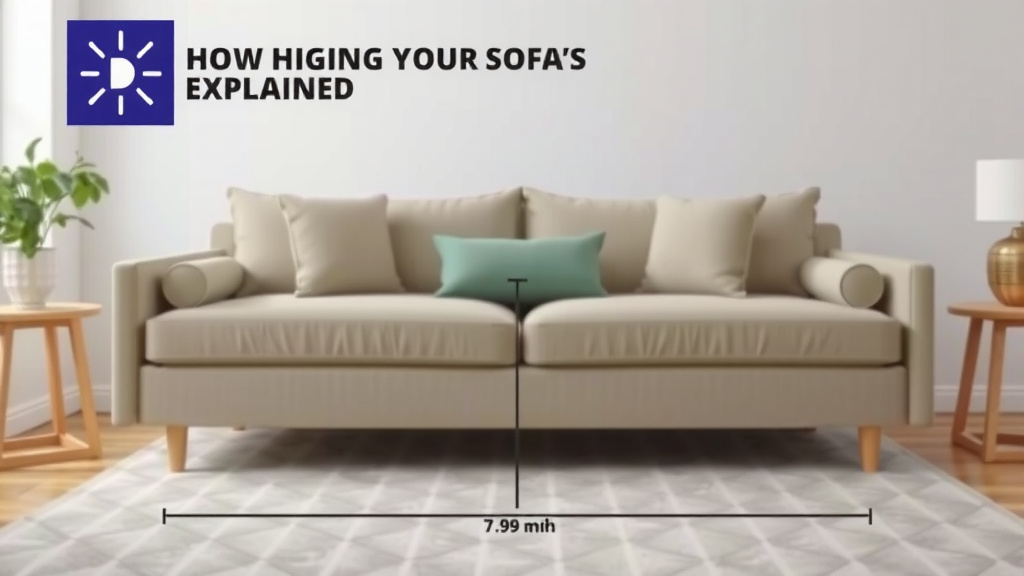
Choosing the Right Sofa Height for You
So, how do you pick the perfect height? It’s a blend of the standard and the personal.
Consider Your Own Needs
Are you taller or shorter than average? Do you have any mobility concerns? If getting up from a low seat is difficult, look for sofas with a seat height on the higher end of the standard range (around 19-20 inches). If you love to curl up and feel really settled, a slightly deeper seat might be more appealing.
We found that many people don’t realize how much impact seat depth has until they try it. A sofa that looks great might feel uncomfortable if the seat is too shallow or too deep for your liking.
Match Your Room’s Scale
The overall height of the sofa matters for proportion. A very tall sofa can make a room with low ceilings feel even smaller. Conversely, a very low-profile sofa might get lost in a room with grand, high ceilings.
Think about the other furniture in the room. You generally want the tops of your sofa’s back cushions to be roughly in line with the tops of other seating pieces or side tables. This creates a balanced visual flow.
Don’t Forget the Armrests!
Armrests are often overlooked, but they contribute to the sofa’s overall feel and comfort. If you like to rest your head on the armrest, look for a plush, wider style. If you prefer a cleaner, more modern look, slim track arms might be better. Their height relative to the seat is key for comfortable arm placement.
Your Sofa Height Checklist
Before you buy, run through this quick checklist:
- Measure your space: Ensure the sofa width and depth will fit.
- Check the seat height: Can you sit and stand easily?
- Consider seat depth: Do you prefer to lounge or sit upright?
- Assess armrest style: Does it suit your comfort needs?
- Visualize in your room: How will the overall height look?
Taking these measurements into account will help you make a more informed decision. You’ll end up with a sofa that’s not just beautiful, but perfectly comfortable and functional for your lifestyle.
“`Conclusion
Understanding sofa height is about more than just one number. You’ve learned that both overall back height and, more importantly, seat height play big roles in your comfort. Seat depth and armrest style also contribute to how a sofa feels for your unique needs. We found that matching these dimensions to your body and your room’s scale makes all the difference. Before you decide, take a moment to measure your space and consider how you actually use your sofa. This thoughtful approach ensures you choose a sofa that looks great and feels wonderfully comfortable for years to come.
Frequently Asked Questions
What’s the standard sofa height if I’m very tall?
If you’re taller than average, you might find standard seat heights of 17-20 inches a bit low. Look for sofas with seat heights closer to the 20-inch mark or even slightly higher, if available. Deeper seat depths can also offer more comfortable leg room for taller individuals.
Can a sofa be too low for a room?
Yes, a sofa’s overall height can affect a room’s visual balance. If your ceilings are quite high, a very low-profile sofa might appear small or out of proportion. Conversely, a tall sofa in a room with low ceilings can make the space feel cramped.
How does armrest height affect comfort?
Armrest height impacts how comfortably you can rest your arms or even your head. Higher, plush armrests are great for lounging and napping. Lower, slimmer armrests might be better if you prefer a more upright sitting position or need easier access.
Is seat depth more important than seat height for comfort?
Both are very important, but seat depth often has a significant impact on lounging comfort. A deeper seat allows you to sink in and relax, while a shallower seat promotes more upright posture. Your personal preference for sitting or lounging will determine which is more critical for you.
Where is the best place to measure sofa height?
The most common measurement for “sofa height” refers to the distance from the floor to the very top of the back cushion. However, for comfort, always check the seat height, which is the distance from the floor to the top of the seat cushion.
![10 Best Cat Friendly Sofa [2026]](https://hometopaccesories.com/wp-content/uploads/2026/08/10-best-cat-friendly-sofa-2026-featured-768x432.jpg)

![10 Best Cloud Like Sofa [2026]](https://hometopaccesories.com/wp-content/uploads/2026/09/10-best-cloud-like-sofa-2026-featured-768x432.jpg)