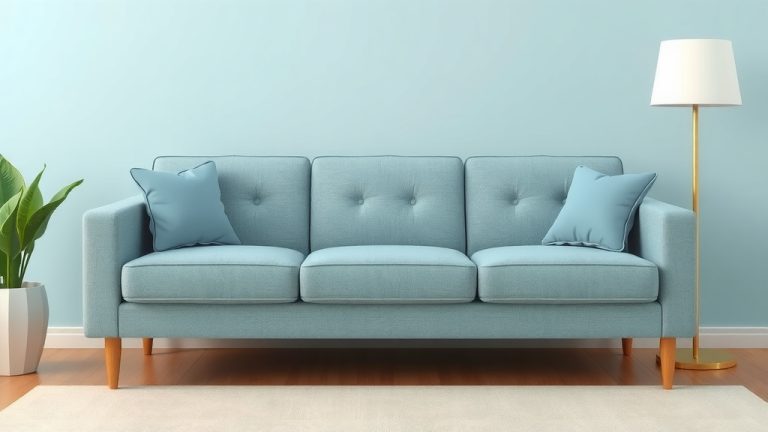
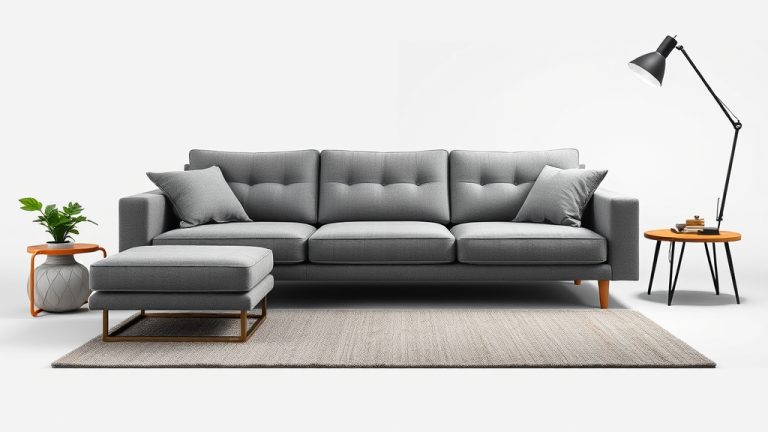
Arranging Your L Shaped Sofa for Maximum Space
Arranging an L-shaped sofa is all about finding the right spot to maximize your living room’s flow and create a cozy conversation area. The best way to arrange an L-shaped sofa is typically to position the longer side against a wall and the shorter side extending into the room, forming a natural corner. This setup helps define the space and ensures your seating is welcoming and functional.
When deciding how to place your L-shaped sofa, think about the main traffic paths in your room. You don’t want your sofa to block doorways or make it hard to walk around. Many designers recommend pulling the sofa away from the wall slightly to create a more intentional layout. This can make your room feel larger and more open, which is a huge plus for any space.
- Identify your room’s traffic flow first.
- Place the longer side of the sofa against a wall.
- Extend the shorter side into the room to define seating.
- Consider pulling the sofa away from the wall slightly.
- Ensure easy access to other parts of the room.
Let’s walk through exactly how to position your L-shaped sofa to make your living room both stylish and practical.
Arranging Your L-Shaped Sofa for Maximum Impact
Placing an L-shaped sofa can feel a bit like solving a puzzle. You want it to look great and feel comfortable. But where do you put those big, beautiful pieces? We’ve found that the best arrangements focus on defining zones and improving room flow. Let’s break down how to make your L-shaped sofa the star of your living room.
Understanding Your Room’s Layout and Needs
Before you even think about pushing furniture, take a good look at your space. Think about how you use your living room. Is it for movie nights, reading, or entertaining guests? Knowing this helps you decide the best orientation for your sofa.
Identify Key Traffic Paths
You don’t want your sofa to become a giant roadblock. Where do people naturally walk into and out of the room? Are there doorways to keep clear? Mapping these paths prevents your sofa from disrupting the natural movement within your home. Many designers suggest leaving at least a 3-foot pathway for comfortable passage (National Association of Home Builders).
Consider the Focal Point
What do you want people to see when they enter the room? It might be a fireplace, a TV, or a beautiful window. Your L-shaped sofa should ideally face or be positioned to complement this focal point. This creates a cohesive and visually appealing setup.
The Classic Corner Placement: A Tried and True Method
This is often the go-to for a reason. It works! Imagine your L-shaped sofa as two distinct pieces coming together. This method uses the natural bend to create a cozy nook. We’ve seen this approach work wonders in many different room sizes.
Placing the Longer Section
Generally, the longer side of your L-shaped sofa looks best against a wall. This anchors the piece and gives it a stable foundation. It also helps to visually \”shrink\” a large room, making it feel more intimate and inviting. Think of it as giving your sofa a comfortable backrest for the entire room.
Extending the Shorter Section
The shorter section then juts out into the room. This is where the magic happens! It creates a natural barrier, defining your seating area without needing physical walls. This open-ended feel is great for conversation and makes the space feel accessible.
The Space In Between
What do you do with the space behind the shorter section? This is your chance to get creative! You can place a slim console table there for lamps and decor. Or, consider a narrow bookshelf for your favorite reads. Some people even use a decorative screen to add visual interest. We found that a well-placed rug can also help define this zone beautifully.
Pulling Furniture Away From Walls: Creating a More Dynamic Space
While the wall-hugging method is popular, many interior design experts recommend pulling your sofa away from the wall. This might seem counterintuitive, especially in smaller rooms, but it can actually make the space feel much larger and more intentional.
The “Floating” Sofa Concept
When you pull your sofa even a few inches from the wall, it creates a sense of breathing room. It signals that this isn’t just functional furniture; it’s a deliberate design choice. This creates a more sophisticated and open feel. It’s like giving your sofa its own designated spot rather than just having it lean against the wall.
Benefits for Room Flow and Openness
Pulling the sofa away allows for easier circulation around the back of the piece. You can walk behind it to reach other parts of the room without feeling squeezed. This improved flow can make a compact room feel surprisingly expansive.
Arranging Your L-Shaped Sofa in Different Room Layouts
Not all living rooms are created equal. Your sofa’s placement needs to adapt to the room’s shape and features. Let’s look at a few common scenarios. We’ve seen that flexibility is key here!
Ideal for Open-Concept Living Areas
In homes with open-concept layouts, an L-shaped sofa is a game-changer. It’s perfect for visually separating the living area from the dining or kitchen space. The sofa acts as a natural divider, creating distinct zones without closing off the room. Position the back of the shorter section towards the kitchen to create a subtle boundary.
Working with Fireplaces and Windows
If your fireplace is the room’s natural focal point, arrange your sofa so the longer section faces it, with the shorter section extending to the side. If you have a large window with a great view, position your sofa to take advantage of the scenery. You might place the shorter side towards the window. We found that angling the sofa slightly can sometimes be a stylish solution.
Navigating Room Corners and Alcoves
Sometimes, an L-shaped sofa fits perfectly into a natural corner of the room. This is a great way to maximize space and create a cozy, enclosed seating area. Ensure there’s still enough space to move around comfortably. If you have an alcove, your L-shaped sofa might just be the perfect fit to fill it out.
Creating a Balanced Seating Arrangement
Your L-shaped sofa is the star, but other furniture plays a supporting role. Think about how chairs, ottomans, and coffee tables work with your main piece.
The Role of the Coffee Table
A coffee table should be easily accessible from the longest part of the sofa. You want to be able to reach it without straining. A round or oval coffee table often works well with L-shaped sofas because it softens the angular lines and allows for easier movement around it. We suggest leaving about 14-18 inches between the sofa and the table.
Adding Complementary Seating
Do you need more seating? Add a couple of accent chairs. Position them facing the open side of the L-shape. This enhances conversation and completes the seating zone. Ensure the chairs are at a similar height to the sofa’s cushions for visual balance.
A Quick Checklist for Arranging Your L-Shaped Sofa
Here’s a handy list to guide you:
- Measure your space and your sofa first.
- Determine your room’s main traffic flow.
- Identify your room’s focal point.
- Test different orientations: wall-against vs. floating.
- Consider a rug to anchor the seating area.
- Add a coffee table and complementary seating.
Conclusion
Arranging your L-shaped sofa is about more than just shoving it into a corner. You’ve learned how to prioritize room flow and identify key traffic paths. By considering your room’s focal point and using the sofa to define zones, you create a welcoming space. Remember to experiment with pulling your sofa away from the wall for a more dynamic feel.
Now it’s time to put these tips into action! Measure your space, visualize the possibilities, and start arranging. You’ll be amazed at how a thoughtfully placed sofa can transform your living room.
Frequently Asked Questions
Can an L-shaped sofa work in a small living room?
Yes, absolutely! In smaller rooms, place the longer side of the sofa against the longest wall. Position the shorter section to jut out, creating a cozy nook. This setup can actually make a small room feel more defined and intimate, rather than cramped.
What’s the best way to orient an L-shaped sofa with a TV?
Generally, you’ll want the main seating area of your sofa to face the TV. If your L-shape allows, place the longer section so it faces the TV directly. The shorter section can then extend to the side, creating an inclusive viewing area for everyone.
How much space should I leave behind an L-shaped sofa if I pull it away from the wall?
We’ve found that even 6-12 inches of space can make a big difference. This allows for comfortable walking behind the sofa and creates a sense of openness. If space allows, you could even fit a slim console table back there for lamps or decor.
Should I use a rug with my L-shaped sofa arrangement?
A rug is a fantastic way to anchor your L-shaped sofa and define the seating area. Aim for a rug large enough that at least the front legs of your sofa and any accompanying chairs rest on it. This visually ties the entire seating group together.
How do I arrange an L-shaped sofa when I have multiple doorways?
When you have multiple doorways, your primary goal is to keep pathways clear. Position your L-shaped sofa so that neither section blocks direct access to any doors. Often, placing the longer section against a wall, with the shorter section extending away from the main traffic flow, works best.