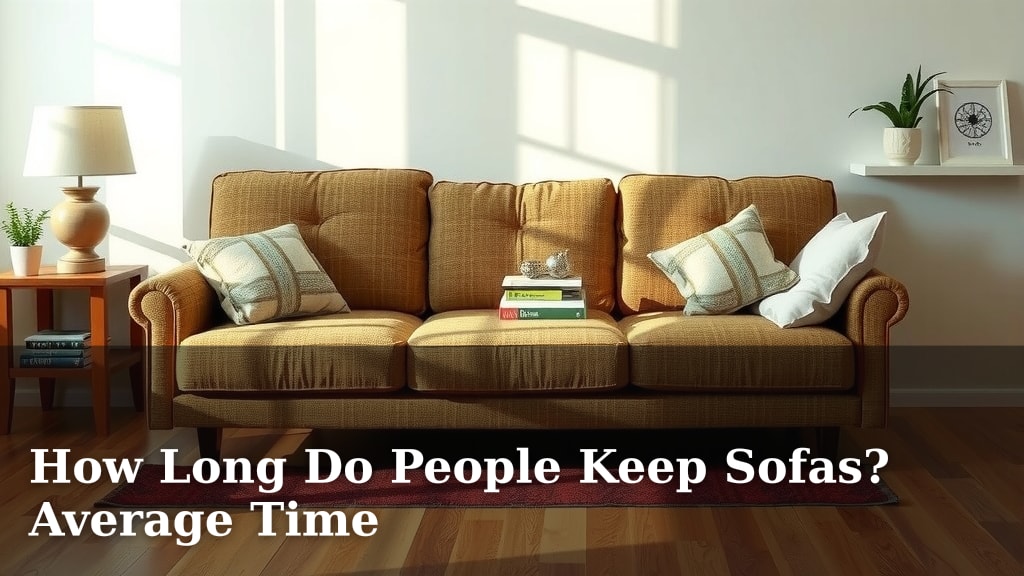
How Long Do People Keep Sofas? Average Time
On average, people keep their sofas for about 7 to 15 years. This timeframe can vary based on factors like sofa quality, your lifestyle, and personal preference. So, if you’re wondering about your own sofa’s lifespan, you’re not alone in asking.
Your sofa is a major piece of furniture. It sees a lot of action, from movie nights to naps. Understanding its typical lifespan helps you plan for replacement. We’ve looked into what influences how long sofas last and what makes people decide it’s time for a new one.
TL;DR:
- Sofas generally last 7-15 years.
- Quality matters for durability.
- Your lifestyle impacts wear and tear.
- Trends and comfort can drive early replacement.
Let’s dive into the details about how long sofas typically stick around and what makes that number change.
Understanding Sofa Lifespans: How Long Do They Typically Last?
So, how long can you realistically expect your sofa to stick around? We’ve looked into it, and most people find their sofas last somewhere between 7 and 15 years. This isn’t a hard and fast rule, of course. Think of it more like a general guideline. Your couch is a workhorse. It sees daily use. That use can really shape its destiny.
What Makes a Sofa Last Longer?
The quality of your sofa plays a huge role. It’s like with cars; a higher-end model often has better parts. This means it can handle more miles, or in the sofa world, more sitting. Sofas built with solid hardwood frames and high-density foam cushions tend to fare much better over time. Cheaper materials can sag, break, or wear out faster. You often get what you pay for with furniture.
Frame Materials: The Unseen Backbone
When you’re shopping for a sofa, check out what the frame is made of. Solid kiln-dried hardwood is the gold standard. It’s strong and won’t warp or crack easily. Plywood is a decent alternative, but avoid sofas with particleboard or plastic frames. These are much more likely to give out. A sturdy frame means your sofa will maintain its shape and support for years to come.
Cushion Fillings: Comfort That Endures
Cushion quality also impacts lifespan. High-resilience foam is designed to bounce back. It resists sagging and keeps its shape even with heavy use. Down-filled cushions offer luxurious comfort, but they require more maintenance to stay plump. Sometimes, a mix of foam and down provides the best of both worlds. Over time, poorly made cushions will flatten and lose their comfort. This often makes a sofa feel older than it is.
Fabric and Upholstery: Wearing Well
The material covering your sofa matters too. Durable fabrics like performance polyester, tightly woven cotton, or leather can withstand a lot. They resist stains, tears, and fading better. Softer, more delicate fabrics might look beautiful initially. But they can show wear and tear more quickly, especially in homes with pets or young children. Think about how you’ll use the sofa when choosing upholstery.
Your Lifestyle: How You Use Your Sofa
Let’s be honest, your lifestyle significantly impacts how long your sofa lasts. Are you a couch potato who loves marathon movie sessions? Or do you only use your sofa for occasional formal seating? These different uses create different wear patterns. A family with young kids and pets will likely see more wear and tear than a single person with a very tidy home.
Family Life and Pets: The Ultimate Test
Kids and furry friends can be tough on furniture. Spills, crumbs, and enthusiastic jumping can all take their toll. If you have a busy family, you might consider sofas with stain-resistant fabrics. Maybe even removable, washable cushion covers. Pets can also scratch or snag upholstery. Look for materials that are more resistant to claws or consider pet-proof covers.
Entertaining Habits: Hosting Guests
Do you frequently host parties or have people over? Your sofa gets more use when it’s a central gathering spot. Frequent sitting and shifting can wear down cushions and upholstery faster. If your sofa is primarily for guests, it might last longer than one used daily for lounging. Consider your entertaining style when assessing your sofa’s durability.
Home Office or Guest Bed? Added Stress
Some people repurpose their sofas. They might use them as makeshift home offices or even occasional guest beds. These extra uses add stress and wear. A sofa not designed for sleeping might develop a permanent sag in the middle if used regularly as a bed. Treating your sofa with its intended purpose in mind helps extend its life.
When Do People Decide It’s Time for a New Sofa?
Even with a quality sofa, there comes a time when replacement is on the horizon. This decision is driven by a mix of practical concerns and changing tastes. You’ll know it’s time when it starts to feel more like a burden than a blessing.
Signs of Wear and Tear: The Obvious Indicators
The most common reason to replace a sofa is visible wear. This includes sagging cushions that no longer offer support. You might notice worn-out fabric that’s faded, torn, or pilled. Frame issues, like creaking or instability, are also major red flags. If your sofa looks and feels tired, it’s probably time to shop for a new one.
Comfort Declines: When Lounging Becomes a Chore
Sometimes, a sofa still looks decent but has lost its comfort. If you find yourself sinking too deep or feeling the frame beneath the cushions, the internal support is gone. This lack of comfort can make you dread sitting on your own sofa. That’s a clear sign it has served its time.
Changing Decor and Trends: Aesthetic Shifts
Fashion and interior design trends change. What was once stylish can start to look dated. You might simply outgrow your sofa’s style. Or, you might decide to redecorate your entire living space. In these cases, a perfectly functional sofa might be replaced purely for aesthetic reasons. This is a personal choice and often happens well before the sofa is worn out.
The Cost of Repair vs. Replacement: A Practical Calculation
For some issues, repair is an option. Replacing worn-out cushions or reupholstering might be feasible. However, if the frame is damaged or the sofa is extensively worn, repairs can become very expensive. Often, the cost of significant repairs approaches the price of a new, decent-quality sofa. It’s a practical calculation many homeowners make.
So, How Long Does Your Sofa *Really* Last? A Quick Checklist
To summarize, consider these factors when thinking about your own sofa’s lifespan:
- Quality of Construction: Look for solid frames and good cushioning.
- Materials Used: Durable fabrics and robust internal components matter.
- Your Daily Use: How much “sit time” does it get?
- Household Members: Kids and pets add extra wear.
- Maintenance: Regular cleaning and fluffing can help.
- Personal Style: Do you still love how it looks?
Conclusion
You’ve learned that most people keep their sofas for 7 to 15 years. This lifespan isn’t set in stone, though. Your sofa’s durability depends heavily on its quality, construction, and the materials used. Your daily life, from family spills to pet adventures, also plays a major part. When comfort fades or style feels dated, it’s time for a change. By understanding these factors, you can better estimate your current sofa’s remaining life and make an informed choice when you’re ready for a new one. Take a moment to assess your sofa’s current condition and how it fits your life before your next purchase.
Frequently Asked Questions
What’s the absolute minimum a sofa should last?
Even with lower quality, a sofa should ideally last at least 5 years with regular use. If yours starts showing significant wear, like sagging cushions or torn fabric, before then, it might indicate a manufacturing defect or poor material choice. You should be able to expect more than just a few years of service from your primary seating.
Can I make my sofa last longer than the average?
Absolutely! Regular cleaning, rotating cushions, and avoiding harsh chemicals can significantly extend your sofa’s life. If you have pets or kids, consider using durable throws or slipcovers to protect the upholstery. Promptly cleaning spills also prevents permanent stains and fabric damage, helping your sofa stay looking and feeling newer for longer.
Does a more expensive sofa always last longer?
Generally, yes, a higher price tag often means better materials and construction, leading to increased durability. You’re usually paying for solid wood frames, high-density foam, and tougher fabrics. However, always inspect the sofa’s build quality, regardless of price. Sometimes, you can find well-made, more affordable options if you know what to look for.
When is it cheaper to repair a sofa than buy a new one?
If the issue is minor, like a loose spring, a torn seam, or replacing a single cushion cover, repair is often cost-effective. However, if you’re looking at extensive reupholstering, fixing a broken frame, or replacing multiple worn-out cushions, the cost can quickly add up. It’s wise to get a repair quote and compare it to the price of a comparable new sofa.
How do trends affect how long people keep their sofas?
Trends can influence replacement decisions even if a sofa is still functional. If your sofa’s style feels outdated and clashes with your current decor, you might be tempted to replace it sooner than its wear and tear would dictate. This is a personal choice driven by aesthetics rather than practicality, and it’s common for people to update their sofa based on evolving interior design tastes.
![10 Way Hand Tied Sofa [2026]](https://hometopaccesories.com/wp-content/uploads/2026/08/10-way-hand-tied-sofa-2026-featured-768x432.jpg)
![10 Best Costco Leather Sofa [2026]](https://hometopaccesories.com/wp-content/uploads/2026/09/10-best-costco-leather-sofa-2026-featured-768x432.jpg)