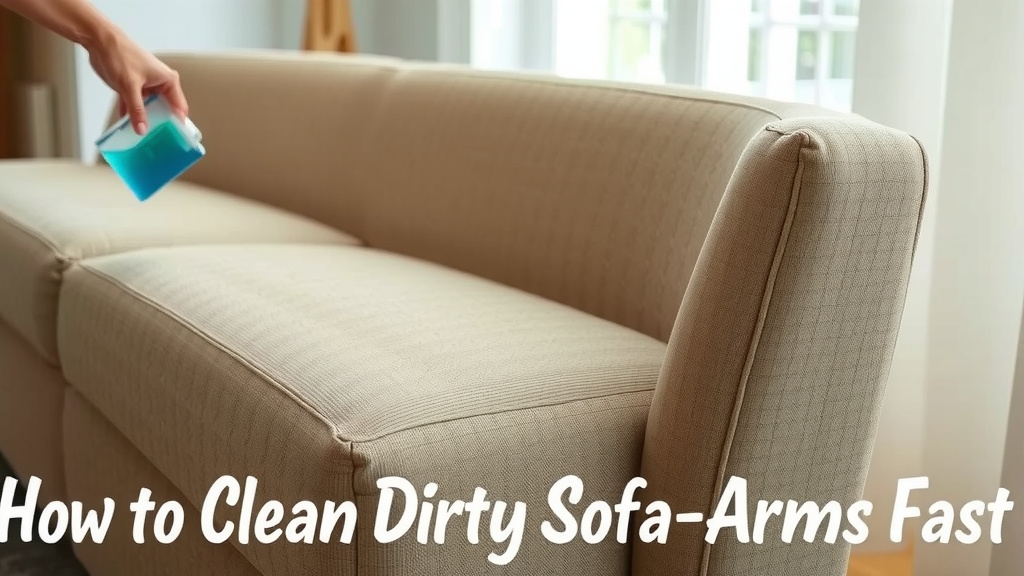
How to Clean Dirty Sofa Arms Fast
The easiest way to clean dirty arms on your sofa is with a gentle, homemade solution and a microfiber cloth. You can mix mild dish soap with warm water to tackle most stains and grime. Always test your cleaner on an inconspicuous spot first to avoid damage. This method is effective for a wide range of fabric types.
Your sofa arms often bear the brunt of daily life, collecting oils, crumbs, and the occasional spill. Dealing with sofa arm stains doesn’t have to be a major chore. We’ve found that a little bit of patience and the right approach can restore your sofa’s appearance. Understanding your sofa’s fabric type is key to choosing the safest cleaning method.
- Spot test your cleaning solution first.
- Use a mild dish soap and warm water mixture.
- Blot stains gently, don’t rub vigorously.
- Allow arms to air dry completely.
Let’s walk through exactly how to get those sofa arms looking fresh again, step by step.
“`htmlRestoring Your Sofa’s Armrests: A Step-by-Step Guide
Your sofa arms are the unsung heroes of relaxation. They hold your remote, your drink, and sometimes, your entire body weight. It’s no wonder they can get dirty! Cleaning them doesn’t require a professional. We found that simple, household items often work best.
Understanding Your Sofa’s Fabric Type is Key
Before you grab any cleaning product, it’s essential to know what your sofa is made of. Different fabrics need different care. This step is super important. A quick check of your sofa’s care tag can save you a lot of trouble later. You’ll usually find this tag tucked under a cushion or on the sofa’s base.
Common Sofa Fabric Types and Their Cleaning Codes
Most upholstery fabrics come with a cleaning code. These codes tell you how to clean them safely. It’s like a secret language for your furniture! We’ve seen these codes frequently mentioned by fabric care experts.
What the Codes Mean
- W: Water-based cleaners are safe.
- S: Solvent-based cleaners only. No water!
- W/S: Both water-based and solvent-based cleaners can be used.
- X: Vacuum only. No cleaning agents at all.
If your sofa has an ‘X’ code, it’s best to leave the cleaning to professionals. For most other codes, you’re good to go with some gentle methods.
Your Go-To Cleaning Solution: Mild and Effective
For sofas with ‘W’ or ‘W/S’ codes, a simple, homemade cleaner is usually the best bet. It’s gentle on fabric and tough on grime. Many sources recommend this approach for everyday cleaning.
Ingredients You’ll Need
You likely have everything you need in your kitchen or cleaning closet right now. This is what we found works well:
- A small amount of mild dish soap (like Dawn or a similar gentle brand).
- Lukewarm water.
- A clean microfiber cloth or a soft sponge.
- A separate dry cloth for blotting.
Mixing Your Cleaning Solution
Start with a **clean bowl or bucket**. Add about two cups of lukewarm water. Then, add just a tiny drop or two of mild dish soap. You want suds, but not a bubble bath for your sofa! Too much soap can leave residue. Stir it gently to combine.
The Cleaning Process: Step-by-Step
Now for the fun part – making those arms sparkle again! Remember, patience is key here. Rushing can sometimes make things worse.
Step 1: The All-Important Spot Test
This is non-negotiable! Find an **inconspicuous area** on your sofa. This might be on the back, under a cushion flap, or on a side panel that’s rarely seen. Dampen a small section of your microfiber cloth with the cleaning solution. Gently blot the test area. Let it sit for a minute, then blot with a dry cloth. Let it air dry completely. Check for any discoloration, water rings, or fabric damage. If it looks good, you’re ready to proceed.
Step 2: Gentle Blotting for Stains and Grime
Dip your clean microfiber cloth into the soapy water. Wring it out thoroughly. You want the cloth to be damp, not soaking wet. Gently blot the dirty areas on the sofa arms. Start from the outside of the stain and work your way inward. This prevents spreading the dirt further. Avoid scrubbing! Scrubbing can damage the fabric fibers and push the stain deeper. We found that a light, repetitive blotting motion works wonders.
Step 3: Rinsing Away the Soap
You don’t want soap residue left behind. Fill a separate bowl with clean, lukewarm water. Dampen a fresh microfiber cloth with this plain water. Again, wring it out well. Gently blot the areas you just cleaned. This removes any remaining soap. Repeat this rinsing step a couple of times to ensure all soap is gone.
Step 4: Drying Your Sofa Arms
Grab your dry microfiber cloth. Gently blot the cleaned areas to absorb as much moisture as possible. Don’t rub. Then, **allow the sofa arms to air dry completely**. You can open windows or use a fan to speed up the process. Avoid using heat, like a hairdryer, as this can sometimes damage certain fabrics. Resist the urge to sit on the arms until they are fully dry. Many experts suggest waiting at least a few hours.
Tackling Tougher Stains: What If It Doesn’t Work?
Sometimes, regular grime is easy. But what about that mystery stain? If the mild soap and water didn’t quite cut it, you might need a slightly stronger approach, but always with caution.
For ‘S’ Coded Fabrics: Solvent Cleaners
If your tag says ‘S’, you MUST use a solvent-based cleaner. Water will likely damage the fabric. You can purchase upholstery cleaning solvents from most home goods stores. **Always follow the product’s instructions** precisely. Test in a hidden spot first, just like with the water-based method. Apply the solvent to a clean cloth, not directly to the sofa. Blot gently.
When to Call the Professionals
There are times when DIY just won’t cut it. If you have a delicate fabric (like silk or velvet), an ‘X’ coded fabric, or a stain that just won’t budge after a few gentle attempts, it’s time to call in the cavalry. Professional upholstery cleaners have specialized tools and solutions. They know how to handle even the trickiest fabrics and stains. This can save your sofa from permanent damage. Many professional services offer free consultations.
A Quick Checklist for Fresh Sofa Arms
Here’s a quick rundown to keep your sofa arms looking great:
- Always check your sofa’s fabric code first.
- Do a spot test in an unseen area.
- Use a mild soap and water solution for most fabrics.
- Blot gently; never scrub vigorously.
- Rinse thoroughly with clean water.
- Allow arms to air dry completely before use.
Conclusion
You’ve now got the knowledge to tackle those grubby sofa arms! We found that a simple, homemade cleaner made with mild dish soap and water is your best friend for most fabrics. Remember the golden rules: always spot test, blot don’t rub, and rinse thoroughly. If your sofa is coded ‘S’ or ‘X’, or if you’re dealing with a stubborn stain, don’t hesitate to use a specific solvent cleaner or call a professional. Take these steps, and you’ll have fresher, cleaner sofa arms in no time!
Frequently Asked Questions
How often should I clean my sofa arms?
We recommend a light clean every few weeks to maintain them. For deeper cleaning, address spills as they happen and give the arms a more thorough clean every 2-3 months, or as needed based on use.
Can I use a wet cloth to wipe down my sofa arms?
A damp cloth is ideal, but never soaking wet. Excessive moisture can lead to water stains or damage the upholstery. Always wring out your cloth very well before wiping.
What if my sofa arms have leather accents?
This guide focuses on fabric. For leather accents, you’ll need a specialized leather cleaner and conditioner. Always check the manufacturer’s recommendations for your specific leather type.
Will vinegar work for cleaning sofa arms?
While some people use vinegar, we found that mild dish soap is often gentler and more effective for general grime. If you consider vinegar, always dilute it heavily and spot-test first.
How can I prevent my sofa arms from getting dirty in the future?
Using sofa armrest covers or throws can offer excellent protection. Regularly vacuuming your sofa also helps prevent dirt build-up, especially in high-traffic areas like the arms.
![10 Best Brand For Sectional Sofa [2026]](https://hometopaccesories.com/wp-content/uploads/2026/08/10-best-brand-for-sectional-sofa-2026-featured-768x432.jpg)


![10 Best Big Sectional Sofa [2026]](https://hometopaccesories.com/wp-content/uploads/2026/08/10-best-big-sectional-sofa-2026-featured-768x432.jpg)