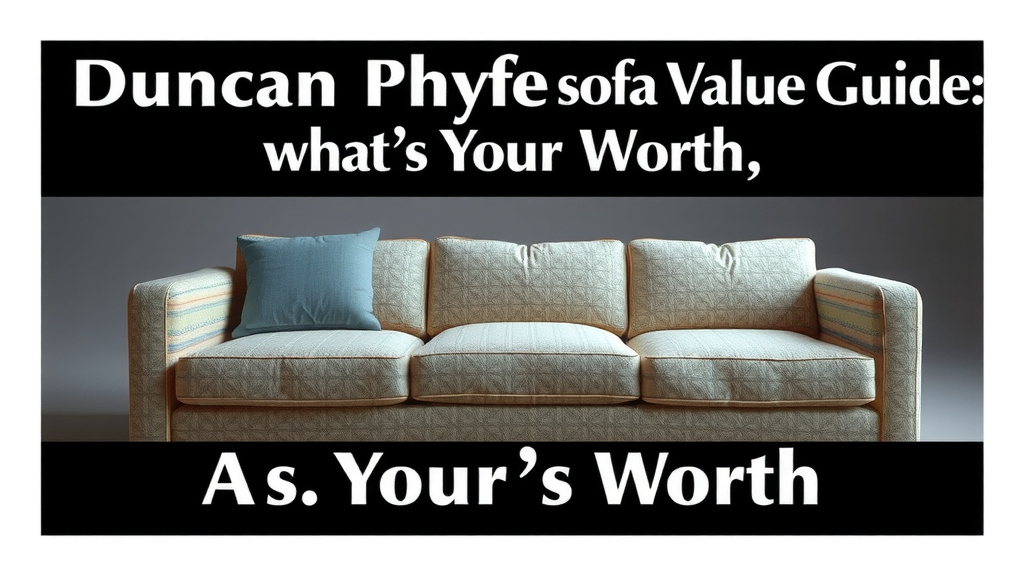
Duncan Phyfe Sofa Value Guide: What’s Yours Worth
The worth of a Duncan Phyfe sofa can range widely, from a few hundred dollars to tens of thousands, depending on its authenticity, condition, and provenance. Genuine pieces from his workshop are rare and highly sought after by collectors.
When assessing your Duncan Phyfe sofa, look for characteristic design elements like saber legs and fine carving. The quality of the wood and craftsmanship are strong indicators of its original value. We found that condition plays a massive role; even minor damage can reduce its market price.
- Authenticity is key for high value.
- Condition greatly impacts the price.
- Look for signature Phyfe design details.
- Provenance, or history of ownership, adds value.
- Market demand influences what collectors will pay.
Let’s walk through the factors that help determine your Duncan Phyfe sofa’s worth.
You’ve got a sofa that looks like it stepped out of an antique shop, and you’re wondering, “Just how much is this Duncan Phyfe sofa actually worth?” It’s a fantastic question, and the answer isn’t a simple number. Several key factors play a huge role in its market value.
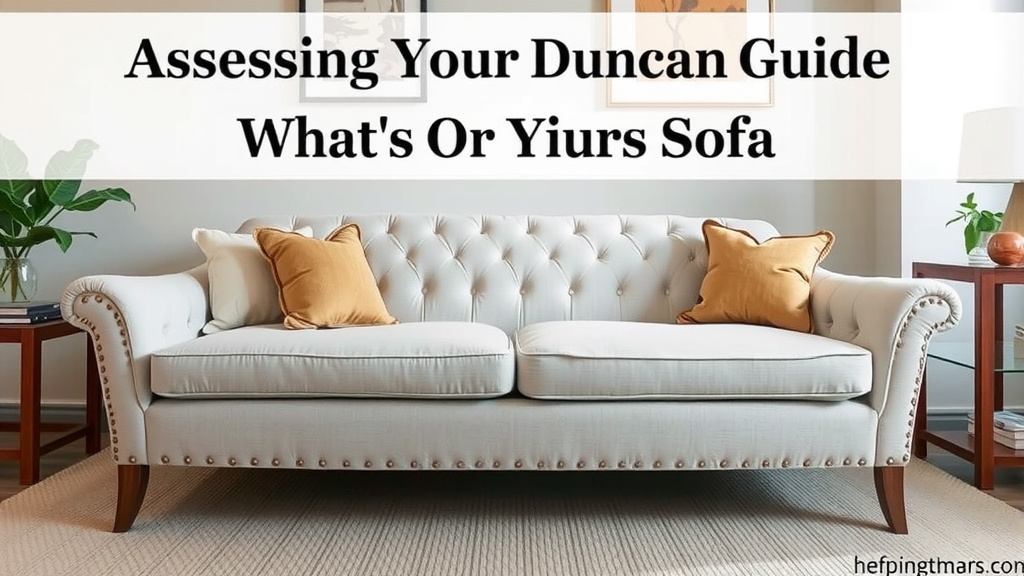
Assessing Your Duncan Phyfe Sofa’s Value
Determining the worth of a Duncan Phyfe sofa involves looking closely at its origins and condition. Genuine pieces are rare collectibles. Many reproductions exist, which affects value. We found that experts look for specific design hallmarks and the quality of materials.
Authenticity: The Genuine Article
The biggest factor in your sofa’s worth is whether it’s a true Duncan Phyfe original. Phyfe was a prominent New York cabinetmaker in the late 18th and early 19th centuries. His furniture is highly prized. Many pieces were made in his style, but not by him or his workshop. Authenticating a piece is the first step.
What to Look for in an Original
Genuine Phyfe pieces often display specific design traits. You’ll see clean lines and refined proportions. Look for the signature saber legs, which curve outward and then inward. Many pieces also feature decorative elements like reeding, fluting, or carved rosettes. The type of wood used is also a clue. He favored mahogany, often with a rich, deep color.
Distinguishing Reproductions
Reproductions can be beautiful but won’t command the same price. Many were made much later, sometimes in the early 20th century. They might mimic Phyfe’s style but use different joinery techniques or less desirable woods. Sometimes, the carving might appear less crisp. Researching marks or labels can help, though Phyfe didn’t always mark his work consistently.
Condition: Wear and Tear Matters
Even an authentic Duncan Phyfe sofa will have its value significantly impacted by its current condition. Think of it like a classic car; a pristine model is worth far more than one needing major repairs. Upholstery is a big part of this.
Upholstery Considerations
Has the sofa been reupholstered? If so, when and with what material? Original upholstery is incredibly rare and might be too fragile to use. High-quality, period-appropriate fabric can add to the aesthetic appeal, but if it’s worn, stained, or outdated, it might need replacement. This can be a costly job. Professional reupholstery can run into thousands of dollars, so buyers will factor that in.
Structural Integrity
Examine the sofa for any structural damage. Are the legs wobbly? Is the frame sturdy? Loose joints or cracks in the wood can decrease its value. Repairs are possible, but extensive structural work is expensive and time-consuming. The overall structural soundness is a major selling point.
Provenance: The Story Behind the Sofa
Provenance refers to the history of ownership for your sofa. This is like knowing who owned a famous painting before it ended up in a museum. If your sofa can be traced back to an important historical figure, a notable family, or even directly from Phyfe’s workshop, its value can skyrocket. Documentation like old receipts, appraisals, or photographs can prove this history.
Documenting Your Sofa’s History
Do you have any papers or records that show where the sofa came from? Even a family history passed down through generations can be interesting. While not always as impactful as official provenance, a compelling story can attract certain buyers. Many experts say that a documented history adds a layer of desirability.
Market Demand and Expert Appraisal
Beyond the sofa itself, the current market and expert opinions play a role. What are collectors looking for right now? What are similar pieces selling for?
Where to Get an Appraisal
For a truly accurate valuation, you’ll want to consult an expert. An antique dealer specializing in 18th and 19th-century furniture or a certified appraiser can provide an assessment. They have the knowledge to identify genuine pieces and understand the market trends. You can often find appraisers through organizations like the American Society of Appraisers.
What Appraisers Consider
An appraiser will look at all the factors we’ve discussed: authenticity, design period, condition, materials, craftsmanship, and provenance. They also consider the current demand among collectors and dealers. A sofa might be a perfect example of Phyfe’s work, but if the market isn’t keen on that style at the moment, its price might be lower.
| Authenticity & Condition | Estimated Value Range |
|---|---|
| Reproduction (Good Condition) | $300 – $2,000 |
| Original Style (Minor Imperfections) | $2,000 – $10,000 |
| Genuine Phyfe (Excellent Condition, Documented) | $10,000 – $50,000+ |
This table gives a general idea, but remember, every piece is unique! Genuine Phyfe pieces in museum-quality condition with impeccable provenance can fetch even higher prices at auction.
Understanding the Market
The antique furniture market can fluctuate. Sometimes, certain styles or periods are more popular than others. Online auction sites and antique shows can give you a feel for what’s selling. We found that pieces with clear historical significance tend to hold their value well.
Factors Influencing Sale Price
When you go to sell, how you present the sofa matters. Is it clean? Is it staged attractively? Where you choose to sell it – an auction house, a specialized dealer, or online – will also impact the final price. A reputable auction house might achieve a higher price for a truly exceptional piece due to its reach with collectors.
- Check for the signature Phyfe saber legs.
- Inspect the wood for quality and type.
- Assess the overall condition of the frame.
- Evaluate the upholstery: original, replaced, or needing work?
- Gather any documentation about the sofa’s history.
- Consider getting a professional appraisal.
Conclusion
You’ve learned that the worth of a Duncan Phyfe sofa is a fascinating blend of history and condition. Remember, authenticity is paramount, but don’t overlook the impact of wear and tear. A sofa’s story, or provenance, can also dramatically increase its appeal. We found that while reproductions have their place, it’s the genuine Phyfe pieces that collectors truly seek. If you suspect you have an original, your next step should be to seek a professional appraisal to understand its true market value.
Frequently Asked Questions
Can a Duncan Phyfe sofa be authenticated without a label?
Yes, absolutely. While some pieces may have markings, Duncan Phyfe didn’t always label his work consistently. Experts authenticate his pieces by examining the characteristic design elements, joinery techniques, wood type, and overall craftsmanship. This requires a trained eye.
How much does it typically cost to reupholster an antique sofa?
Reupholstering an antique sofa can be a significant investment. Depending on the complexity of the design, the amount of fabric needed, and the labor involved, you could expect to pay anywhere from $1,500 to $5,000 or more. High-quality, period-appropriate fabric will also add to the cost.
Where is the best place to sell an authentic Duncan Phyfe sofa?
For a truly authentic and potentially high-value piece, consider selling through a reputable auction house that specializes in antique furniture. Alternatively, a well-established antique dealer with a strong clientele of collectors interested in 18th and 19th-century pieces can also be a good option. Online platforms might reach a wider audience but may not always yield the highest prices for rare items.
What are the most common design elements to look for in a Duncan Phyfe sofa?
Keep an eye out for distinctive features like the iconic saber legs, which curve outward and then inward. You might also see delicate reeding or fluting along the edges, carved rosettes, and a generally refined, elegant silhouette. The use of rich mahogany wood is another strong indicator of his style.
Are there modern reproductions that look exactly like Duncan Phyfe sofas?
Many furniture makers create pieces inspired by Duncan Phyfe’s designs, often referred to as “in the style of.” While these reproductions can be beautiful and well-made, they are generally not considered authentic Phyfe pieces. They typically lack the historical provenance and the specific construction techniques of originals, affecting their market worth.
![10 Best Curtain Color For Brown Sofa [2026]](https://hometopaccesories.com/wp-content/uploads/2026/09/10-best-curtain-color-for-brown-sofa-2026-featured-768x432.jpg)
![10 Best Choice Products Outdoor Convertible Acacia Wood Futon Sofa [2026]](https://hometopaccesories.com/wp-content/uploads/2026/09/10-best-choice-products-outdoor-convertible-acacia-wood-futon-sofa-2026-featured-768x432.jpg)