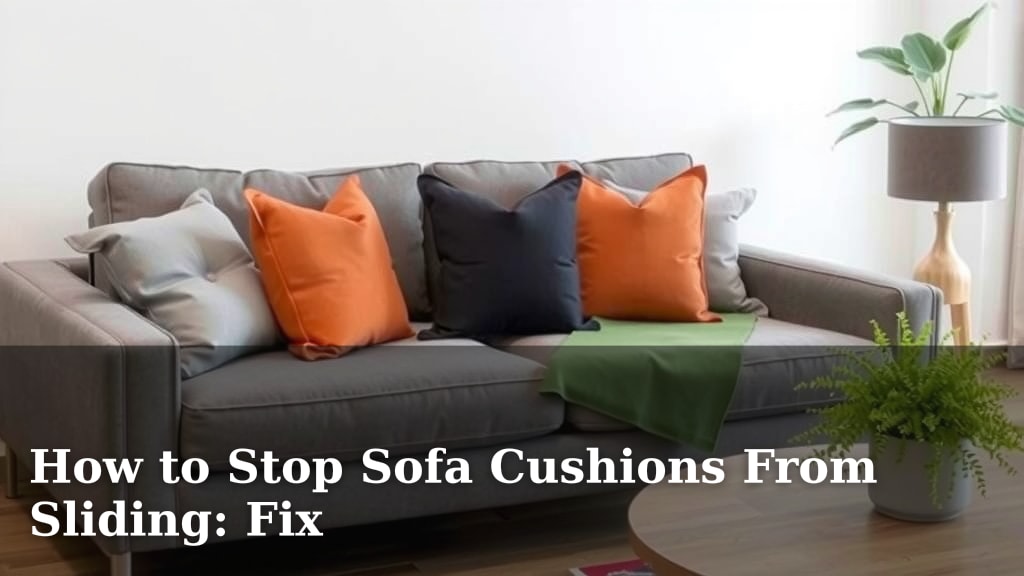
How to Stop Sofa Cushions From Sliding: Fix
Yes, you can absolutely stop sofa cushions from sliding! It’s a common annoyance, but thankfully, there are several simple and effective fixes. You can use items you likely already have at home or grab inexpensive solutions from the store to keep your cushions firmly in place.
Constantly readjusting your couch cushions can disrupt your relaxation time. We understand how frustrating it is when they slip and slide. Fortunately, many people have found success with DIY methods and simple product solutions that offer lasting stability.
TL;DR:
- Use non-slip rug pads or shelf liner.
- Try velcro strips for a secure hold.
- Fabric fasteners or safety pins can work in a pinch.
- Consider a sofa cushion gripper spray for an easy fix.
Let’s walk through the best ways to tackle those sliding sofa cushions and get back to enjoying your comfy spot without the constant fuss.
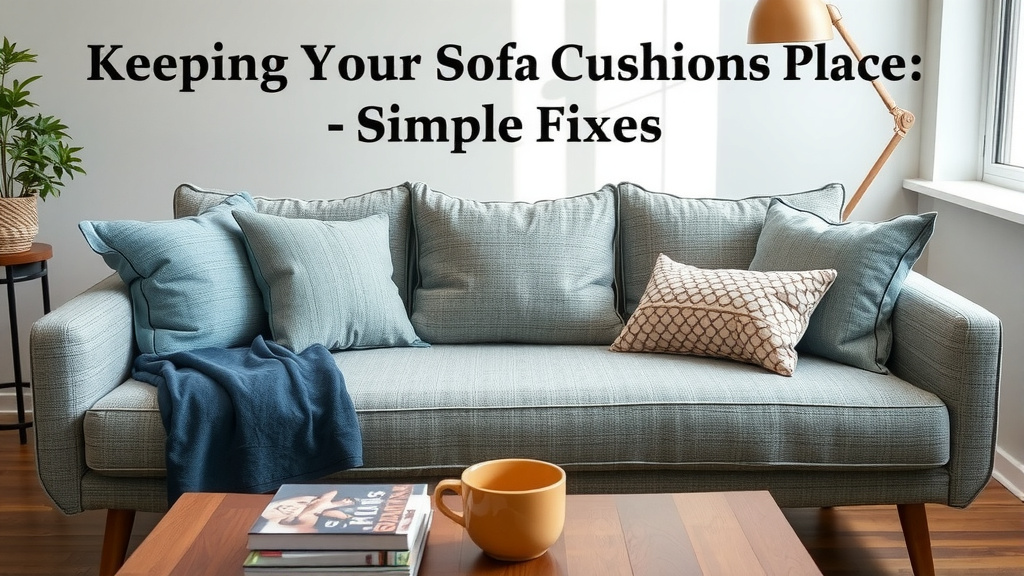
Keeping Your Sofa Cushions in Place: Simple Fixes
Your sofa should be a place of relaxation, not a wrestling match with your cushions. If yours tend to slide around, you’re not alone. We’ve found that many common household items and a few inexpensive purchases can solve this sliding cushion problem effectively. You can easily restore order and enjoy a more comfortable seating experience.
Using Everyday Household Items
Before you head to the store, check your own home! You might already have what you need to stop those cushions from migrating.
The Rug Pad or Shelf Liner Trick
This is one of the most popular and effective DIY solutions. A piece of non-slip rug pad or even shelf liner can make a world of difference. You simply cut a piece to fit the bottom of your cushion or the sofa deck where the cushion sits.
The grippy texture of the rug pad creates friction. This friction holds the cushion in place, preventing it from sliding when you sit down or get up. Many people find that even a small piece in the center is enough to do the trick. It’s a simple solution that works surprisingly well, and you likely have some extra lying around.
Velcro Strips for a Secure Hold
Velcro is designed to stick together, making it a great candidate for keeping things in place. You can buy adhesive-backed Velcro strips at most craft or home goods stores.
Attach one side of the Velcro to the underside of your sofa cushion. Then, attach the corresponding side to the sofa deck itself. Make sure you position them so they align perfectly when the cushion is in place. This creates a strong, yet easily separable, bond that prevents sliding. It requires a little effort upfront but offers a very secure hold.
Fabric Fasteners or Safety Pins
For a quick, temporary fix, fabric fasteners or even safety pins can work. These are best for cushions that don’t slide too much or if you need an immediate solution.
You can use fabric fasteners, which are similar to Velcro but often designed for upholstery. You can also carefully use safety pins. Pin through the bottom fabric of the cushion and into the sofa fabric. Be sure to use pins that are strong enough and that the pinheads don’t cause discomfort. This method is more of a temporary patch, as pins can sometimes come undone or be felt.
Inexpensive Solutions from the Store
If you don’t have household items to spare or want a more robust solution, several affordable products are designed specifically for this problem.
Specialty Sofa Cushion Gripper Sprays
There are sprays available that create a grippy surface on fabric. You typically spray one side of the cushion or the sofa deck, let it dry, and it creates a non-slip barrier. We found that these sprays are easy to apply and generally don’t damage the fabric.
The spray dries clear and doesn’t usually leave a sticky residue. It’s a good option if you don’t want to attach anything permanent. However, it may need to be reapplied periodically, especially with frequent use. Always test the spray on an inconspicuous area first to ensure it doesn’t discolor your fabric (Cleveland Clinic).
Non-Slip Drawer Liners
Similar to rug pads, non-slip drawer liners offer a good amount of grip. They are often thinner than rug pads, which can be an advantage if you don’t want to add bulk to your cushions. You can cut these to size easily.
Just place a piece on the sofa deck or the underside of the cushion. The textured surface creates friction, which is the key to stopping the slide. They are very affordable and widely available in home organization sections of many stores.
More Permanent Fixes for Stubborn Cushions
Sometimes, the sliding is more persistent. For these cases, you might consider solutions that offer a stronger, longer-lasting hold.
Upholstery Staples or Heavy-Duty Velcro
If you’re comfortable with a more permanent solution, upholstery staples can be used to secure fabric strips or even the edge of a cushion to the sofa frame. This requires tools like a staple gun.
Heavy-duty Velcro, often used for outdoor furniture or boat covers, provides a very strong bond. You’d attach it permanently to both the cushion and the sofa frame. This is a more involved process and might be best left to someone with upholstery experience. It ensures your cushions will stay put, but it’s not easily reversible.
DIY Cushion Straps or Ties
You can create simple straps or ties that attach the cushion to the sofa frame. For example, you could sew fabric loops onto the back of your cushion and then attach corresponding hooks or buttons to the sofa frame underneath. When the cushion is in place, you fasten the strap.
This method keeps the cushion secured without permanently altering the sofa. It’s a good compromise for those who want stability but also the flexibility to remove cushions for cleaning. You can find tutorials online for specific strap designs (Good Housekeeping).
Choosing the Right Method for You
Selecting the best method depends on your sofa, your cushions, and how much effort you want to put in. Consider these factors:
- Material of your sofa and cushions: Some methods might not work as well on leather or certain synthetic fabrics.
- Severity of the sliding: Are they just slightly shifting, or do they slide off entirely?
- Desire for permanence: Do you want a temporary fix or something long-term?
- Your DIY comfort level: Are you happy to use a staple gun, or do you prefer a no-fuss spray?
Here’s a quick look at some popular options:
| Method | Ease of Use | Permanence | Cost | Effectiveness |
|---|---|---|---|---|
| Rug Pad/Shelf Liner | Very Easy | Semi-Permanent | Low | High |
| Velcro Strips | Moderate | Semi-Permanent | Low to Moderate | Very High |
| Gripper Spray | Easy | Temporary (reapplication needed) | Moderate | Moderate to High |
| Safety Pins | Very Easy | Temporary | Very Low | Low to Moderate |
Your Quick Checklist for Stop-Sliding Success
Ready to take action? Here’s a simple checklist to get you started on securing those sofa cushions:
- Assess the slide: How badly do your cushions move?
- Check your home supplies: Do you have rug pads or shelf liners?
- Consider a quick fix: Would Velcro or a gripper spray work best for you?
- Gather your materials: Get your chosen supplies ready.
- Apply your chosen method: Follow the simple steps for your selected fix.
- Test and adjust: Sit down and see if your cushions are staying put!
Conclusion
You now have a variety of proven methods to stop those pesky sofa cushions from sliding. Whether you prefer a quick DIY fix using household items like rug pads or a more secure option like Velcro, there’s a solution for everyone. Even specialized sprays can offer a simple, non-permanent fix.
Don’t let sliding cushions ruin your relaxation time. Take a moment to assess your sofa and choose the method that best suits your needs. Your next step is to gather your chosen materials and apply your fix, enjoying a stable and comfortable seating experience!
Frequently Asked Questions
Will using Velcro damage my sofa or cushions?
Generally, no. When using adhesive-backed Velcro, it’s best to choose strong, fabric-friendly adhesives and test them on an inconspicuous area first. Heavy-duty Velcro is designed for outdoor use and might be overkill, but standard craft Velcro should be safe for most upholstery if applied carefully.
How often do I need to reapply sofa cushion gripper spray?
The frequency of reapplication for gripper sprays can vary. For cushions that are used very often or are subjected to a lot of movement, you might need to reapply every few months. Less frequent use may allow the spray to last longer, sometimes up to six months or more.
Can these methods work on leather sofas?
Some methods work better on leather than others. Rug pads or shelf liners are generally safe and effective on leather. Velcro can also work, but ensure the adhesive is suitable for leather to avoid damage. Sprays might not be ideal for leather as they can alter the finish; always test first.
What’s the most budget-friendly way to fix sliding cushions?
The most budget-friendly options often involve using items you already own. Using a piece of non-slip rug pad or shelf liner is very inexpensive, especially if you have scraps. Safety pins are also extremely cheap, though they are more of a temporary solution.
How can I prevent my seat cushions from sinking in the middle?
Sinking cushions are a different issue than sliding, but sometimes related. If cushions are losing their shape, you might need to add extra stuffing or a firmer insert inside the cushion cover. For a quick fix, placing a sturdy piece of cardboard or a thin plywood cut to size underneath the cushion on the sofa deck can provide temporary support.
![10 Best Corduroy Sofa [2026]](https://hometopaccesories.com/wp-content/uploads/2026/09/10-best-corduroy-sofa-2026-featured-768x432.jpg)
![10 Best Cushions For Beige Sofa [2026]](https://hometopaccesories.com/wp-content/uploads/2026/09/10-best-cushions-for-beige-sofa-2026-featured-768x432.jpg)

![10 Best Apartment Sleeper Sofa [2026]](https://hometopaccesories.com/wp-content/uploads/2026/08/10-best-apartment-sleeper-sofa-2026-featured-768x432.jpg)
![10 Best Budget Leather Sofa [2026]](https://hometopaccesories.com/wp-content/uploads/2026/08/10-best-budget-leather-sofa-2026-featured-768x432.jpg)