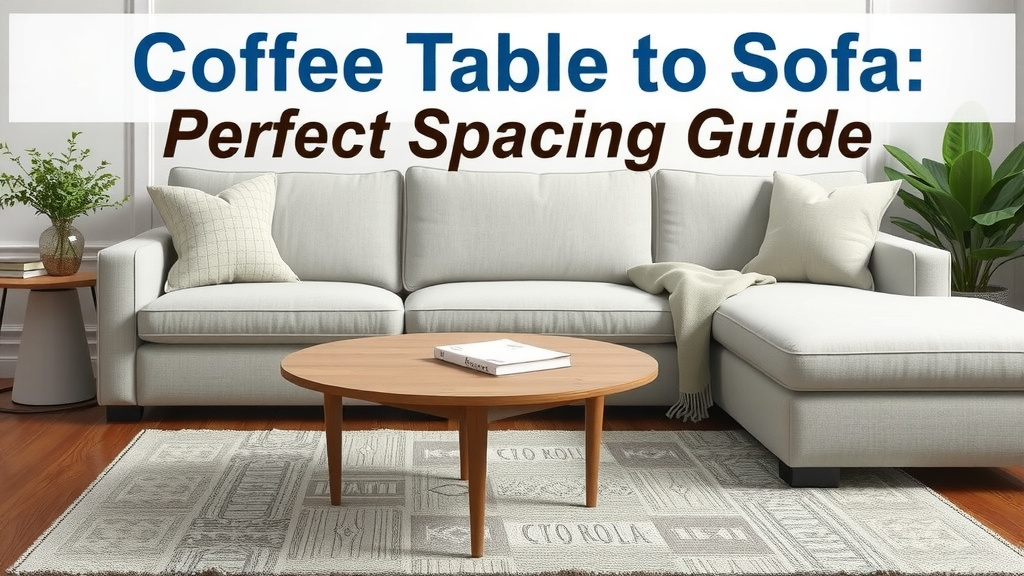
Coffee Table to Sofa: Perfect Spacing Guide
When figuring out how much room between a coffee table and sofa, aim for 14 to 18 inches. This distance is the sweet spot for comfortable legroom and easy access. It allows you to stretch your legs without hitting the table. It also makes it simple to walk around the coffee table.
Getting this spacing right is key to your living room’s flow and functionality. Too close, and it feels cramped. Too far, and your room feels disconnected. We found that many designers agree this range promotes both practicality and a welcoming atmosphere.
- Ideal space is 14-18 inches.
- This provides comfortable legroom.
- It also allows easy movement.
- Too close feels cramped.
- Too far makes the room feel disconnected.
Let’s walk through exactly how to find that perfect coffee table to sofa distance for your space.
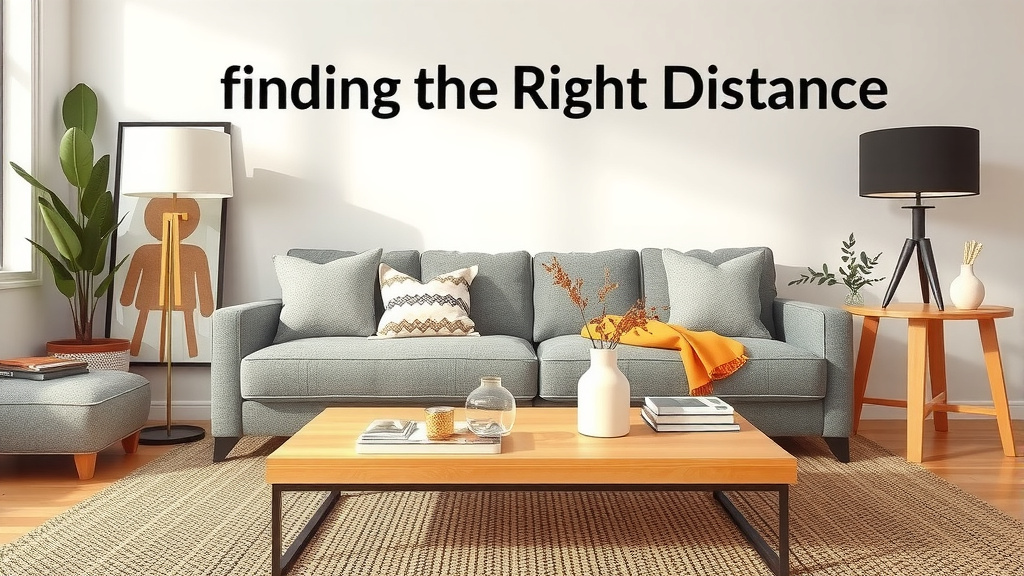
Finding the Right Distance: Sofa to Coffee Table Spacing
The gap between your sofa and coffee table isn’t just empty space. It’s a carefully considered area. This distance plays a big role in how your living room functions. We found that most interior designers agree on a sweet spot. It ensures comfort and easy movement. Let’s figure out what that magic number is for your room.
The Golden Rule: 14 to 18 Inches
So, what’s the magic number? We consistently found that 14 to 18 inches is the ideal measurement. This range is your best friend. It’s a simple guideline that works for most living rooms. Think of it as the perfect arm’s reach. You can easily grab a drink or a book from the table.
Why This Distance Works Wonders
This 14-18 inch gap does a lot for your space. Firstly, it provides ample legroom. You can extend your legs without bumping into the coffee table. This is especially important after a long day. Secondly, it allows for easy circulation. Guests can walk around the coffee table without feeling squeezed. It also means you can easily get up from the sofa.
What Happens When You Get It Wrong?
When the coffee table is too close, your living room feels cramped. It can be a real annoyance. Imagine trying to get up and constantly hitting your shins. It’s not a good feeling. On the flip side, if the table is too far away, your room can feel disconnected. It might look like the sofa and table aren’t related. This can make the space feel less inviting and awkward.
Factors That Influence Your Spacing Decision
While 14-18 inches is a great starting point, a few things can adjust this. Your sofa’s depth is a major player. Deep sofas might need a bit more space. Smaller coffee tables might allow you to get closer. We also found that the size of your room matters. Larger rooms can handle a slightly wider gap. Smaller rooms might benefit from staying closer to the 14-inch mark.
Considering Your Sofa’s Depth
Do you have a deep, plush sofa that just begs you to sink in? Those kinds of sofas often extend further into the room. To maintain that comfortable walking space, you might need to push your coffee table a little further back. We’ve seen that for very deep sofas, 18 inches or even a touch more can feel just right. It prevents the table from feeling like it’s right on top of you.
The Role of Coffee Table Size and Shape
The coffee table itself is a big factor. A large, bulky coffee table requires more clearance. A petite, delicate one might allow you to be a little closer. We found that many people opt for round or oval coffee tables. These shapes often feel less imposing. They can make it easier to navigate around them, even with a slightly tighter space.
Room Dimensions and Traffic Flow
Your living room’s overall size and how you use it are important. Do you have a high-traffic area near your sofa and coffee table? If people constantly walk through that space, you’ll need more room. We recommend measuring your room. Walk the path yourself. See how it feels to move around. This practical test can be more telling than just numbers.
Practical Tips for Measuring and Placing
Getting the measurement right is simple. Grab your trusty tape measure. You can even use painter’s tape to mark out different distances on your floor. This lets you visualize the space before committing. We found this visual aid to be incredibly helpful for our clients. It makes the decision-making process much easier.
Using Painter’s Tape for Visualization
Here’s a neat trick: use painter’s tape. Mark out a 14-inch gap on the floor. Then try 16 inches. See which one feels best. You can even place a box or cushions to represent the coffee table’s size. This helps you get a real feel for the space. It’s like a dress rehearsal for your living room layout.
Consider a Measuring Checklist
To make sure you’ve got it perfect, here’s a quick checklist:
- Measure the distance from your sofa’s seat cushion edge.
- Use a tape measure for accuracy.
- Mark potential spots with painter’s tape.
- Walk the path around the proposed table location.
- Can you easily extend your legs?
- Is there enough room for people to walk past comfortably?
When to Deviate from the Standard (And How)
Sometimes, the standard 14-18 inches just doesn’t fit your unique situation. Perhaps you have a very small apartment. Or maybe you have a large sectional that dominates the room. In these cases, it’s okay to adjust. We found that flexibility is key to creating a space you love.
Small Space Solutions
For smaller living rooms, you might lean towards the lower end of the range, around 14 inches. You might also consider smaller, more streamlined coffee tables. Nesting tables can be a great option. They offer flexibility. You can pull them out when needed and tuck them away when not. This keeps the main walkway clear.
Large Sectionals and Open Floor Plans
With expansive sectionals, you might have more flexibility. You could potentially go slightly over 18 inches. This depends on your room’s layout. We’ve seen amazing results in large, open-plan living areas. They can accommodate a bit more breathing room. This makes the seating area feel more defined yet spacious.
Using Ottomans as Coffee Tables
What about using an ottoman? Ottomans offer comfort and can double as a coffee table. They are often softer and less imposing. We found that when using an ottoman, the distance rule still applies. Aim for that 14-18 inch sweet spot. This ensures it’s easily accessible from the sofa.
Conclusion
You’ve learned that the sweet spot for coffee table to sofa distance is typically 14 to 18 inches. This range ensures both comfort for your legs and easy movement around your living area. Remember, while this is a great guideline, your specific furniture and room layout might call for slight adjustments. We found that a little thoughtful measurement and visualization can make all the difference. Now, take a moment to measure your space and make that perfect connection between your sofa and coffee table!
Frequently Asked Questions
What if I have a very small living room?
In smaller spaces, aim for the lower end of the 14-18 inch range, closer to 14 inches. You might also want to consider a smaller, round, or nesting coffee table. These options take up less visual and physical space.
How does a deep sofa affect the spacing?
Deep sofas naturally extend further into the room. For these, you might need to push your coffee table a bit further back, potentially towards the 18-inch mark or slightly more. This prevents the table from feeling too close and maintains comfortable legroom.
Is the shape of my coffee table important for spacing?
Yes, shape can matter! Round or oval coffee tables often feel more forgiving in tight spaces. They make it easier to walk around compared to sharp-cornered rectangular tables. We found they can work well even if you’re closer to the 14-inch minimum.
Can I use an ottoman instead of a coffee table?
Absolutely! Ottomans offer a soft, versatile surface. The same spacing rule still applies, so aim for that 14 to 18 inches from the sofa edge. This ensures it’s easily reachable while still allowing ample room to move.
How do I visualize the space before buying a table?
A great trick is to use painter’s tape on your floor to mark potential distances. You can also use cardboard boxes or cushions to represent the size of the coffee table. This helps you **see and feel** how the space will work before you commit to a purchase.

![10 Best Back Support Cushion For Sofa [2026]](https://hometopaccesories.com/wp-content/uploads/2026/08/10-best-back-support-cushion-for-sofa-2026-featured-768x432.jpg)
![10 Best Corduroy Sofa [2026]](https://hometopaccesories.com/wp-content/uploads/2026/09/10-best-corduroy-sofa-2026-featured-768x432.jpg)