Sofa Side Table Height: What’s the Perfect Fit
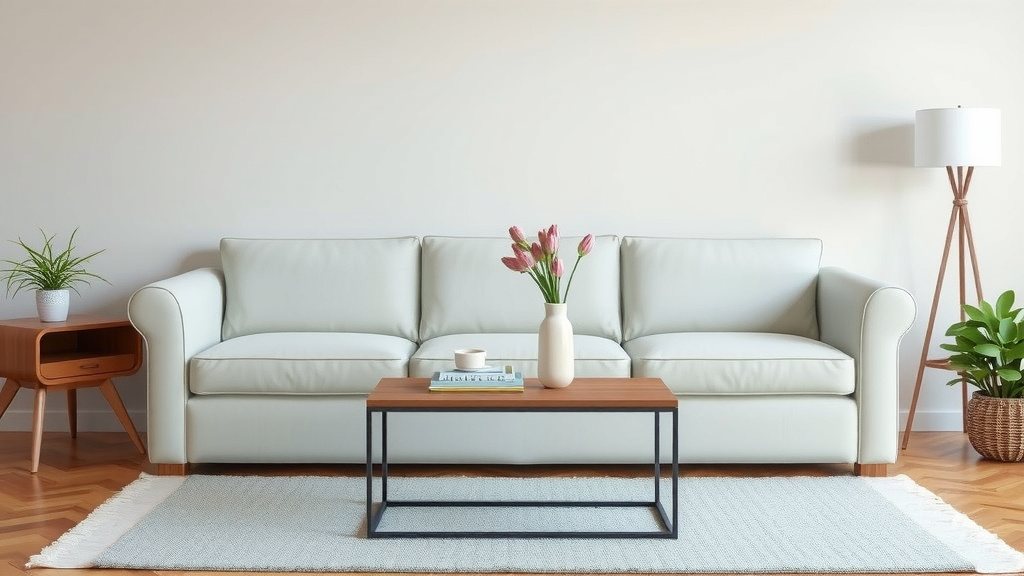
The ideal sofa side table height is typically one to two inches lower than the height of your sofa arm. This ensures easy access to lamps or drinks without awkward reaching. Getting this measurement right makes your living room feel more functional and balanced.
Choosing the right side table height isn’t just about looks; it’s about creating a practical and comfortable space. We found that tables that are too high or too low can disrupt the flow of your room. Matching it to your sofa’s arm height is a widely recommended design principle for a cohesive feel.
- Sofa side table height should be 1-2 inches shorter than the sofa arm.
- This height makes it easy to reach items.
- It also helps create a balanced look in your room.
- Consider the overall scale of your furniture.
Let’s break down how to measure and choose the perfect height for your sofa side table, ensuring it fits your space and style perfectly.
You’ve nailed the general idea of matching your side table to your sofa’s arm height. That’s often the sweet spot for usability and visual harmony. But let’s dig a little deeper to make sure your side table is perfectly suited for your living room.
Finding the Ideal Sofa Side Table Height
So, how tall should a side table be next to your sofa? The general rule is to aim for a height that’s one to two inches lower than your sofa’s armrest. This simple measurement makes a big difference.
Why This Height Works Best
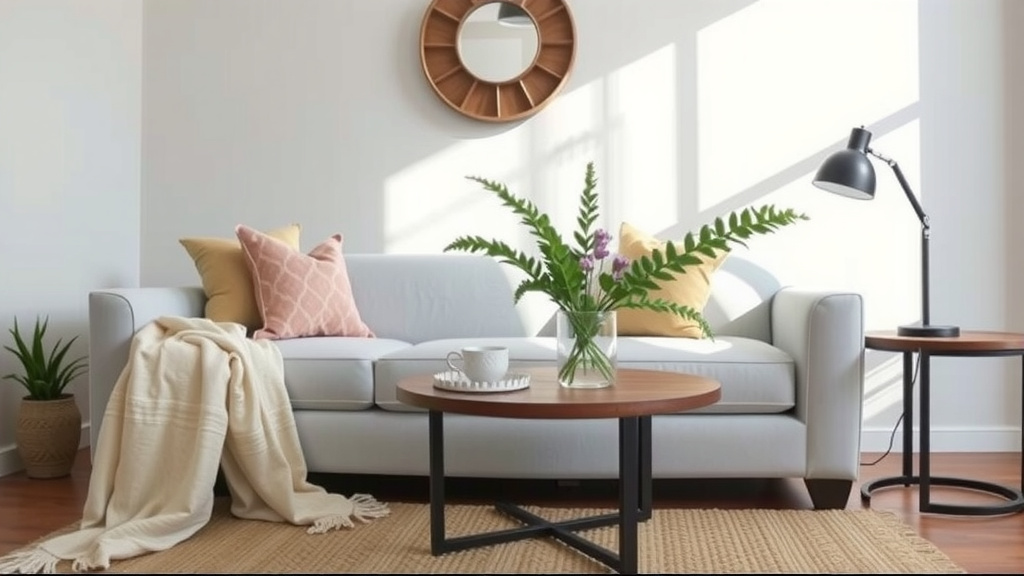
This height isn’t just a random suggestion. It’s based on practical considerations. When your side table is slightly lower than the armrest, it creates an accessible surface. You can easily place a drink, a book, or a remote within reach without stretching or straining. It also makes reaching for a lamp on the table feel natural and comfortable.
Think about it: if the table is too low, you’ll be bending down more than you’d like. If it’s too high, it can feel awkward to use, and it might even block your view or disrupt the flow of the seating area. We found that this small height difference really enhances the user experience.
Measuring Your Sofa’s Arm Height
To get this right, you’ll need a tape measure. Here’s how to do it:
- Place your tape measure on the floor.
- Measure straight up to the top of your sofa armrest.
- Note this measurement. Your ideal side table height will be 1-2 inches less than this.
This is the most reliable way to ensure your side table is functional. Many furniture guides and interior designers recommend this approach for a reason (Good Housekeeping). It ensures you don’t have to guess.
Considering Sofa Styles and Proportions
While the arm height rule is a great starting point, your sofa’s style also plays a role. Not all sofas are created equal, and neither are their armrests.
Low-Profile Sofas
If you have a sofa with very low, sleek armrests, you might want a side table that’s closer to the one-inch rule or even matches the arm height exactly. A table that’s significantly lower might look a bit lost. Conversely, if you have a very deep, plush sofa with high, rolled arms, you have a bit more flexibility.
High or Rolled Armrests
For sofas with substantial, high, or rolled armrests, you have more leeway. The two-inch drop often works beautifully here. It maintains accessibility while ensuring the table doesn’t look dwarfed by the sofa. The key is to avoid the table appearing too tall and intrusive.
Sectionals and L-Shaped Sofas
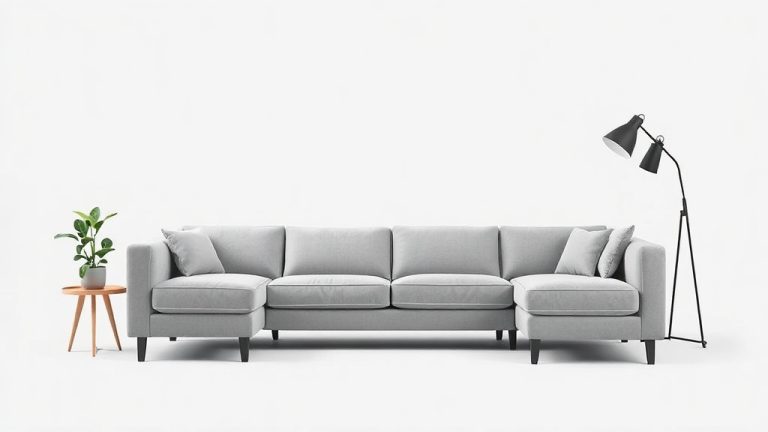
Sectionals can be a bit trickier. You might need side tables at different heights if the armrests on different sections vary. Often, the best approach is to focus on the armrests where you’ll most likely be placing a lamp or your drink. If you have a chaise lounge section, consider its arm height too. We found that placing a slightly taller table on a chaise can be very convenient.
Beyond Arm Height: Other Factors to Consider
The arm height is the primary guideline, but a few other elements contribute to finding the perfect side table.
The Seat Height of Your Sofa
While less critical than the arm height, the seat height can sometimes influence perception. If your sofa sits very low to the ground, a table that’s too tall might feel out of sync. Conversely, a very tall sofa might make a disproportionately short table look odd. You want the pieces to feel like they belong together, not like they’re from different furniture families (Apartment Therapy).
Tabletop Surface Area
How much space do you need on your side table? If you plan to place a large lamp, multiple drinks, and decorative items, you’ll need a table with a generous surface. The height of the table can sometimes correlate with its width and depth. A wider, taller table might offer more surface space. Consider your habits and what you typically put on your side table.
Overall Room Scale and Layout
The size and height of your side table should also be proportionate to the overall scale of your room and other furniture. A tiny table next to a massive sectional can look comical. Likewise, a bulky, oversized table can overwhelm a small seating area. Think of your side table as a supporting actor; it should complement the main stars (your sofa and chairs) without stealing the show.
Here’s a quick checklist to help you decide:
- Measure your sofa’s arm height accurately.
- Aim for a side table 1-2 inches shorter.
- Consider your sofa’s arm style (low, rolled, etc.).
- Think about what you’ll use the table for.
- Ensure the table’s scale fits your room.
- Check if the table height feels comfortable for reaching items.
When to Break the “Rules”
Design is flexible! Sometimes, a statement piece or a specific functional need might call for a deviation. For instance, if you have a very specific piece of art or a floor lamp you want to position behind the side table, you might choose a different height. Or, if you’re using a side table as a small nightstand next to a daybed, the rules might shift.
We’ve seen situations where a slightly taller table is used purely for its aesthetic impact, becoming a sculptural element in the room. However, for everyday usability and a harmonious look, the arm height guideline remains a solid foundation. If you’re unsure, stick with the 1-2 inch rule; it rarely fails to create a pleasing and practical setup.
| Sofa Arm Height (Inches) | Ideal Side Table Height (Inches) | Notes |
|---|---|---|
| 18 | 17-17.5 | Good for lower sofas. |
| 20 | 18-19 | Most common range, very versatile. |
| 22 | 20-21 | Works well with taller sofas. |
| 24+ | 22-23 | For substantial, high-armed sofas. |
Remember, these are general guidelines. Your personal preference and the unique characteristics of your furniture are the ultimate deciding factors. The goal is to create a space that feels comfortable, functional, and visually balanced for you.
Conclusion
You now have a clear roadmap for selecting the perfect height for your sofa side table. Remember, the one-to-two-inch rule below your sofa’s arm height is your best starting point for both comfort and visual appeal. Consider your sofa’s unique style and arm shape, and don’t forget the overall scale of your room and how you’ll use the table. By measuring accurately and keeping these factors in mind, you’ll create a living space that feels both functional and beautifully balanced. Now, go grab that tape measure and find the side table that fits just right!
Frequently Asked Questions
What if my sofa doesn’t have traditional armrests?
For sofas with armless designs or very low, flat arms, you have more freedom. Focus on where you’d naturally want a surface for a drink or lamp. Consider the sofa’s seat height and the overall room proportions to find a visually balanced table. You might even align it with the seat height or a comfortable standing reach.
Can a side table be taller than the sofa arm?
Generally, it’s best to avoid this for typical use. A table taller than the arm can feel awkward to reach and disrupt the room’s visual harmony. However, if you’re intentionally using it as a statement piece or for a very specific purpose, like displaying art, you might choose a taller one, but be aware it may sacrifice some practicality.
How do I choose a side table height for a sectional sofa?
Sectionals can have varying arm heights. Measure the arm height at the specific spots where you’ll place a side table, likely near seating. If one end is a chaise with a different arm height, you might opt for a table that complements that section, possibly slightly taller for convenience on the chaise. Consistency isn’t always key; function is.
Is the width and depth of a side table as important as its height?
Yes, proportions matter! While height is key for ergonomics and visual balance, the width and depth of the side table should also suit your needs and the surrounding space. A table that’s too narrow might be unstable for a lamp, while one that’s too wide could overwhelm the seating area or impede movement.
What’s the best side table height if I primarily use it for a floor lamp?
If a floor lamp is your main concern, ensure the table height allows the lamp’s shade to sit comfortably above or beside your sofa’s armrest. The goal is usually for the light to fall into the seating area without being blocked by the arm. You might need a slightly taller table than the standard recommendation for optimal lamp placement.