How to Bleach Sofa Covers Safely Without Damage
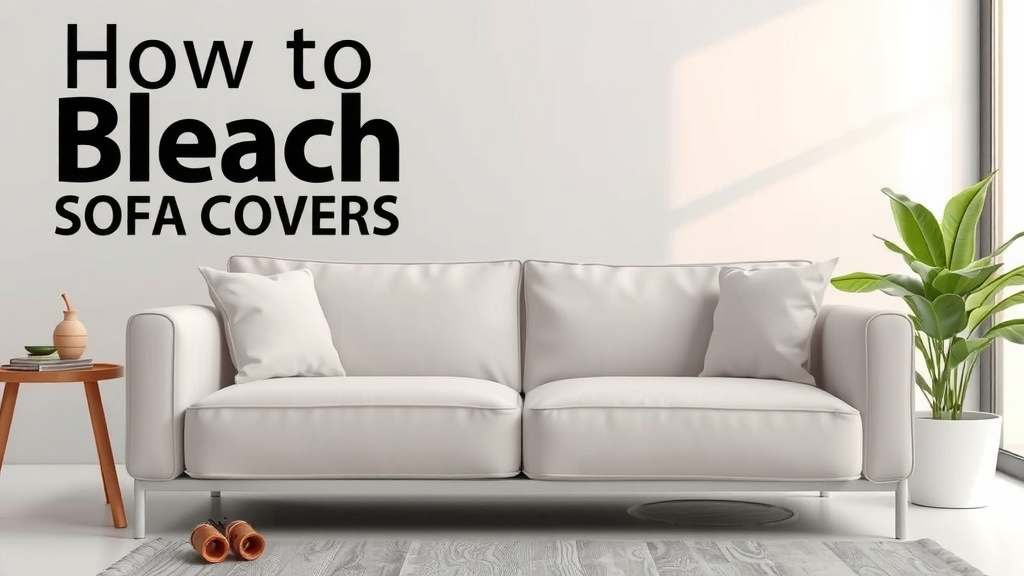
The easiest way to bleach sofa covers is to soak them in a mild bleach and water solution for 5 to 10 minutes, then wash them in cold water on a gentle cycle. But before you pour anything, you need to check your sofa cover’s care label. Many covers are made from fabrics that bleach will damage.
Here’s the thing: not all sofa covers play nice with bleach. Materials like polyester blends, cotton, and linen each react differently, and some can turn yellow or fall apart. We researched what fabric experts and cleaning pros recommend so you don’t ruin your favorite couch cover in the process. Nobody wants to learn that lesson the hard way, right?
- Check the care label first to see if bleach is even safe for your fabric.
- Do a spot test on a hidden area before bleaching the whole cover.
- Dilute bleach properly — usually about a quarter cup per gallon of water.
- Wash in cold water on a gentle cycle, then air dry when possible.
- Skip bleach entirely for delicate fabrics like wool, silk, or leather trim.
Below, we walk you through every step, from reading that mysterious care label to getting your covers bright and clean without any surprises. Let’s get started.
Bleaching Your Sofa Covers the Safe Way
Yes, you can bleach most sofa covers — if you follow the right steps in the right order. Rushing in with a jug of bleach and good intentions is how white covers turn tie-dye. Let’s walk through it together, one careful step at a time.
Reading the Care Label Before You Start
That little tag sewn into your cover is basically a cheat sheet. Look for a triangle symbol. A plain triangle means bleach is okay. A triangle with two lines means only color-safe bleach. A triangle with an X through it? Bleach is off the table, friend.
No tag? Check the manufacturer’s website using the fabric name or model number. We found that most brands list care instructions online, which saves you from guessing games.
Why Fabric Type Matters So Much
Bleach attacks dyes and fibers differently. Cotton handles it fairly well. Polyester and synthetic blends can yellow or weaken. Natural fibers like wool and silk can literally dissolve or develop holes. Fabric experts and textile care guides consistently warn against bleaching delicate fibers.
| Fabric Type | Bleach Safe? | What to Do Instead |
|---|---|---|
| Cotton | Usually yes (diluted) | Spot test first |
| Polyester blend | Caution — may yellow | Oxygen bleach |
| Linen | Sometimes | Mild solution, short soak |
| Velvet | No | Professional cleaning |
| Wool or silk | No | Oxygen bleach or pros |
Gathering Your Supplies
Good news: you probably own most of this already. Nothing fancy required.
- Regular chlorine bleach (unscented works best)
- A large bucket or basin for soaking
- Rubber gloves — bleach and skin don’t mix
- Measuring cup for accurate dilution
- Mild laundry detergent
- An old white towel for spot testing
The Spot Test: Your Secret Weapon
Skip this step and you’re gambling with your sofa. We’re begging you — don’t skip it.
Mix a small amount of diluted bleach, dab it on a hidden corner of the cover (inside a seam works great), and wait 10 minutes. Rinse and blot dry. If the color holds, you’re clear to proceed. If it fades, splotches, or changes tone, switch to oxygen bleach instead.
How to Mix the Perfect Bleach Solution
More bleach does not mean more clean. It means more damage. The standard dilution most cleaning guidelines recommend is about one-quarter cup of bleach per gallon of water. For disinfecting surfaces, CDC guidance uses similar ratios, so this dilution has solid backing.
Safe Mixing Order
Always add bleach to water, never water to bleach. Pouring water into concentrated bleach can cause splashing and fumes. Open a window or run a fan, too. Your lungs will thank you.
Soaking and Washing Your Covers
Once your spot test passes, submerge the cover fully in your bleach solution. Let it soak for 5 to 10 minutes — set a timer. Leaving fabric in bleach longer weakens the fibers and can eat holes over time.
After soaking, drain the solution and rinse the cover thoroughly with cool water. Then toss it in the washing machine on a cold, gentle cycle with regular detergent. Cold water helps protect both the fabric and any remaining color.
Drying Without Ruining Your Work
Heat is the enemy of freshly bleached fabric. High dryer heat can set stains, shrink covers, and make yellowing worse. Air drying is your best bet. Hang the cover outside if you can — sunlight naturally brightens whites. Just avoid leaving it out for days on end.
When Bleach Isn’t the Answer
Sometimes bleach simply isn’t the right tool, and that’s okay. There are plenty of gentler options that still get results.
Oxygen Bleach Alternatives
Oxygen bleach (the powdered kind, like sodium percarbonate) is much gentler on colors and fabrics. It brightens without the harshness of chlorine. Dissolve it in warm water, soak the cover for an hour or more, then wash as usual. Many experts suggest this as the first choice for anything with color or delicate fibers.
Other Household Boosters
- Baking soda added to the wash for odor removal
- White vinegar in the rinse cycle to freshen fabric
- Enzyme cleaners for pet stains and protein messes
- Lemon juice and sunlight for gentle natural brightening
Staying Safe While You Clean
Bleach fumes are no joke. The CDC recommends good ventilation whenever you use bleach indoors. Open windows, run exhaust fans, and never mix bleach with ammonia or vinegar — that combination creates toxic gases.
Wear gloves the whole time. Even diluted bleach dries out skin and can cause irritation with repeated contact. Safety basics take two minutes and prevent a world of regret.
Your Quick Pre-Bleach Checklist
Before you pour anything, run through this list. It takes two minutes and saves hours of heartache.
- Read the care label and decode the triangle symbol.
- Confirm the fabric type — no wool, silk, or velvet.
- Spot test a hidden area and wait 10 minutes.
- Dilute properly: quarter cup bleach per gallon of water.
- Ventilate the room and put on rubber gloves.
- Set a timer for your 5–10 minute soak.
Common Mistakes to Avoid
Even careful people make these slip-ups. A quick heads-up keeps your covers looking sharp.
- Using bleach full-strength. Always dilute. Always.
- Soaking too long. Over-soaking weakens fabric fibers.
- Skipping the spot test. This is the big one.
- Machine drying on high heat. Air dry instead.
- Mixing bleach with other cleaners. Dangerous fumes, plain and simple.
One more tip we found helpful: wash bleach-treated covers separately from other laundry. Residual bleach can splatter and spot other clothes. Nobody opens the dryer hoping for a polka-dot surprise.
Conclusion
Bleaching your sofa covers doesn’t have to feel like a gamble. The recipe for success is simple: read that care label, run a spot test, dilute your bleach properly, and keep your soak short. From there, a cold gentle wash and some air drying will leave your covers bright without the damage.
What we love about this process is how little it takes to protect something you use every day. A few extra minutes of prep beats replacing a ruined cover every time.
So here’s your next move: flip that cushion cover over and check the tag right now. Once you know what you’re working with, you can bleach with total confidence.
Frequently Asked Questions
Can I bleach sofa covers in the washing machine instead of soaking them?
You can, but soaking first gives you more control and better results. Many washing machines dispense bleach unevenly, which can cause streaks or splotches. If you use the machine, add the bleach to the dispenser with a full load of water already running, and stick to a cold gentle cycle.
Why did my white sofa covers turn yellow after bleaching?
Yellowing usually happens when bleach reacts with synthetic fibers or leftover residue from previous washes. It can also occur when covers aren’t rinsed thoroughly after soaking. If yellowing appears, try an oxygen bleach soak to lift the tone back without adding more chlorine damage.
How often is it safe to bleach sofa covers?
We recommend keeping chlorine bleach treatments to a few times a year at most. Every bleach session slightly weakens fabric fibers, and repeated exposure leads to thinning or holes. For routine freshening between bleaches, oxygen bleach or regular detergent works well.
Can I bleach sofa covers that have prints or patterns?
We wouldn’t advise it. Chlorine bleach strips dye, so printed or patterned covers will fade unevenly or lose their design entirely. If your patterned covers need brightening, oxygen bleach is the safer route since it’s designed to be color-friendly.
What should I do if I already bleached my covers and they got damaged?
If the damage is minor fading, an oxygen bleach soak or fabric brightener may help even out the tone. For holes or major discoloration, re-dyeing or replacing the cover is usually your best option. Some manufacturers sell replacement covers separately, so check with the brand before buying a whole new sofa.