How to Block Under Your Sofa: Simple Solutions That Work
The easiest way to block under your sofa is to use a sofa blocker, pool noodle, or a DIY barrier like PVC pipe along the gap at the base of your couch. Anything that physically fills the space works, as long as it fits snugly and covers the full length of the opening. That’s the short answer, and it works for couches, loveseats, and sectionals alike.
So why does this matter so much? If you have kids stuffing snacks under there or a dog who thinks the space under your sofa is a secret treasure cave, you know the struggle. We researched the most popular methods and found that a few simple options—like under-sofa blockers, foam pool noodles, and even cardboard tubes—can keep toys, crumbs, and pet paws out for good.
Here’s the quick version before we get into the details:
- Blockers: Pre-made plastic or fabric guards designed to fit under most sofas.
- Pool noodles: Cheap, easy to cut, and surprisingly effective.
- PVC pipe: A sturdy DIY option that lasts for years.
- Cardboard or foam boards: A fast, no-cost fix for small gaps.
- Rearranging the sofa: Sometimes simply moving it against a wall solves everything.
Below, we walk you through each method step by step, what it costs, and which one fits your home best. Ready to reclaim that dust-bunny paradise? Let’s dig in.
Blocking the Gap Under Your Couch the Easy Way
The best way to block under your sofa is to measure the gap, pick a filler that matches it, and press it snugly along the full length. That’s it. No fancy tools needed. Think of it like plugging a leak—the tighter the fit, the less gets through.
Before you buy anything, though, you need to know exactly what you’re working with. Let’s start there. If you’re unsure how to get accurate numbers, our guide to measuring your sofa’s width walks through it step by step.
Measure Your Sofa Gap First
Grab a tape measure and check three things: the height of the gap, the depth, and the total length of the opening. Write the numbers down. Seriously, don’t skip this—half of the returns we read about happened because someone eyeballed it.
Most standard couches have a gap between 2 and 6 inches tall. Low-profile sectionals? Often less. A pool noodle is about 2.5 inches thick, so it works for shallow gaps but won’t cut it on taller openings.
Using a Store-Bought Under-Sofa Blocker
Pre-made blockers are the no-brainer option if you want done-in-five-minutes results. They’re usually long foam or plastic strips covered in fabric, and you just slide them into the gap until they stop. Many come in sections you can connect for longer couches.
- Measure your gap height before ordering.
- Pick a fabric color close to your carpet or sofa base.
- Push the blocker in until it’s snug, not jammed.
- Check the corners—crumbs love sneaking around edges.
One tip we found repeated across hundreds of reviews: buy slightly longer than you need. Extra length can be trimmed or tucked.
The Pool Noodle Method
A pool noodle costs about a dollar and fills a shallow gap beautifully. Slice it lengthwise if you need it thinner, or stack two if you need it taller. Cut it to length with a kitchen knife—no power tools required.
How to Install a Pool Noodle Under Your Sofa
Here’s the whole process:
- Measure the sofa’s width and mark the noodle.
- Cut it with a serrated knife or box cutter.
- Slide it into the gap, flat side down if you sliced it.
- Push it back until it’s out of sight.
Worth noting: noodles can compress over time. If your dog is a digger, you might need to fluff or replace it every few months. Some folks also report noodles can off-gas a slight smell at first, so airing one out on the porch overnight is a smart move (NIH notes ventilation helps with common household odors).
DIY Options: PVC Pipe and Foam Board
Want something that lasts a decade? A length of PVC pipe from any hardware store does the job. Pick a diameter close to your gap height, cut it to fit, and slide it in. It won’t squash, won’t attract pests, and costs under $10.
When Foam Board Beats Everything Else
For weirdly shaped gaps—like sectionals with angled corners—rigid foam board is your friend. You can cut custom shapes with a utility knife and stack layers to fill taller openings. We found that a $6 sheet covers an entire living room’s worth of gaps.
Quick Foam Board Trick
Cut the board an inch taller than the gap, then compress it as you slide it in. The friction holds it in place without tape or glue.
Blocking Under a Sectional Sofa
Sectionals are tricky because of the corners. Straight blockers work on the long runs, but the L-shaped joint needs a custom fill. Foam board cut into a corner wedge, or a bent pool noodle secured with zip ties, handles it well.
Modular sectionals add another wrinkle: pieces shift when you sit down. If yours moves, look for blockers with rubber backing or use non-slip shelf liner underneath to keep everything put.
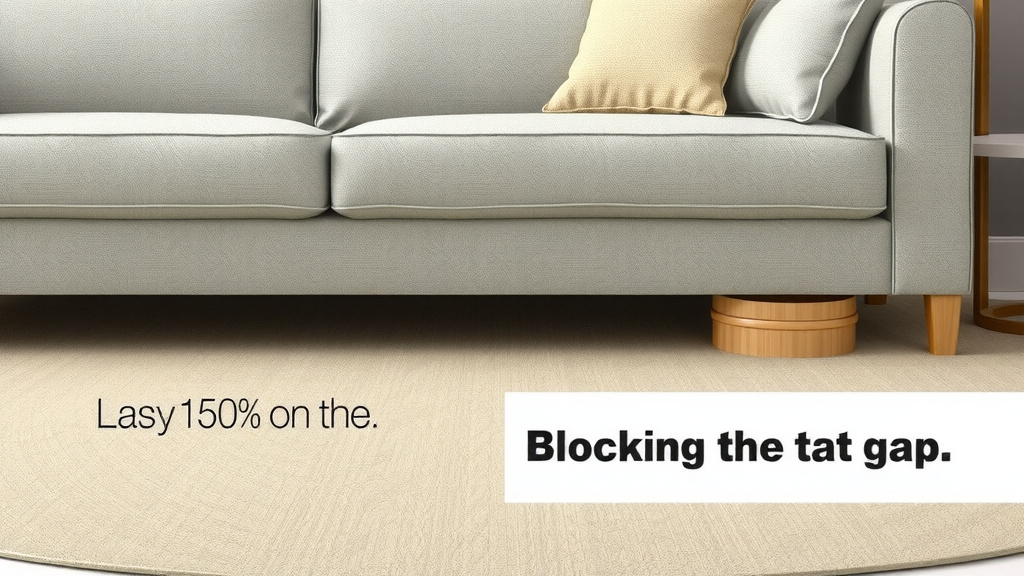
Keeping Pets and Kids Out for Good
Here’s the truth we found in vet and parenting forums alike: physical barriers beat training for most families, at least at first. The AVMA notes that managing a pet’s environment is often the fastest way to change behavior, and a blocked gap is pure environment management.
Making the Barrier Actually Work
A loose noodle that slides around teaches your dog nothing. It just becomes a toy. Make sure whatever you use is snug and stable—push it, then push again. If it budges easily, it will lose the battle with a determined beagle.
For cats, height matters more. Cats can leap over low barriers, but most won’t bother squeezing through a fully filled gap. Curiosity loses to convenience nearly every time.
Safety Check Before You Finish
Run your hand along the barrier and feel for sharp edges, staples, or small detachable pieces. The CPSC warns that small loose parts near young children pose choking hazards, so skip anything with bits that can pop off.
Comparing Your Blocking Options
Sometimes seeing it side by side makes the choice obvious. Here’s a quick rundown:
| Method | Cost | Best For | Durability |
|---|---|---|---|
| Store-bought blocker | $15–$40 | Standard sofas, fast fix | Good |
| Pool noodle | ~$1–$3 | Shallow gaps, rentals | Fair |
| PVC pipe | $5–$10 | Heavy pets, long-term | Excellent |
| Foam board | $5–$10 | Odd shapes, corners | Good |
| Cardboard tubes | Free | Temporary, tight budgets | Weak |
What NOT to Put Under Your Sofa
Not every filler is safe. We found a few common mistakes worth flagging:
- Loose fabric or blankets — pets can pull them out and chew them.
- Britttle plastic — it can crack into sharp pieces.
- Anything scented or treated — pets may chew it, and ingesting chemicals is a real risk (ASPCA veterinarians warn against pets chewing treated foams).
- Items that block airflow — if your sofa sits over a floor vent, don’t seal it off completely.
That last one matters more than people think. Blocking a heat vent raises pressure on your HVAC system and can push dust back into the room. If a vent is under there, use a vent deflector or shift the sofa a few inches.
Your Quick Blocking Checklist
Before you call it done, run through this:
- Measured gap height, depth, and length
- Barrier cut or sized slightly longer than the gap
- Pushed in snug—no wiggling when you press it
- Corners and edges covered
- No sharp bits or loose small parts
- Air vents and cords left unblocked
Check all six, and you’re officially done. Your vacuuming routine just got a whole lot shorter, and your dog just lost his favorite hiding spot. Sorry, buddy.
Conclusion
Blocking under your sofa comes down to three things: measure the gap, pick a filler that fits, and press it in snug. A store-bought blocker gets you there fastest, a pool noodle costs pocket change, and PVC pipe or foam board handles tough jobs like sectionals and determined diggers. Whatever you choose, make sure it’s stable, safe, and doesn’t cover a floor vent. We’ve found that the families who win this battle are the ones who act today instead of fishing out another lost Lego next week. So grab your tape measure, pick your method, and seal that gap tonight. Your floors—and your vacuum—will thank you.
Frequently Asked Questions
How do I stop things from rolling under my sofa?
The surest fix is filling the entire gap with a snug barrier, like a blocker, foam board, or PVC pipe. If you only want to catch small items, some people lay a piece of thin rug grip or a fitted “sofa skirt” panel just inside the gap. Anything loose, though, will eventually get pushed aside.
Will blocking under my sofa cause mold or dust buildup?
It can, if the area is completely sealed with no airflow and your home runs humid. We recommend leaving small air channels at the ends of the barrier or checking under the sofa every couple of months. A quick peek and a vacuum hose pass keeps things fresh.
Can I block under a sofa with wooden legs without damaging the floor?
Yes, as long as you avoid barriers that need tape, glue, or screws near your flooring. Soft fillers like foam noodles and fabric-covered blockers are floor-safe. If you use something rigid, felt pads on the sofa feet prevent scratches when you slide everything into place.
How do I keep my dog from digging behind the blocker?
Make the barrier tall enough that paws can’t reach over or around it, and anchor it so it doesn’t wiggle. We found that adding a spritz of a pet-safe bitter apple spray on the barrier’s edge discourages chewers. Pair it with a tempting alternative, like a nearby bed or toy, and most dogs move on within a week.
Should I block under my sofa if I need to clean under it regularly?
Then choose a removable option. A pool noodle or loose foam board slides out in seconds for monthly deep cleans, while glued or zip-tied setups make cleaning a hassle. Store-bought blockers designed for easy removal are a solid middle ground if you vacuum under there often. For those cleaning sessions, our guide to how to vacuum your sofa properly covers the attachments and technique that work best.