How to Break Up a Sofa Safely: A Step-by-Step Guide
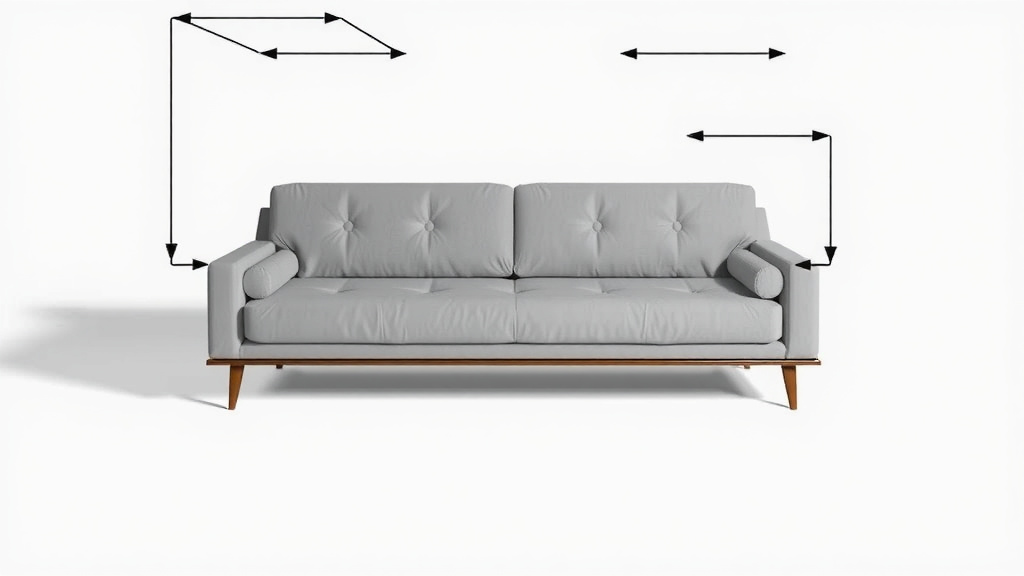
The easiest way to break up a sofa is to remove the legs, cushions, and backrest first, then detach the frame at its main bolted or stapled joints. Most sofas come apart with just a screwdriver, a wrench, and a little patience. No saw needed in many cases.
Why go through the trouble? A full-size couch often won’t fit through doorways, down stairs, or around tight corners. We researched common moving headaches and found that taking a sofa apart saves space, prevents wall damage, and makes disposal or moving much easier. Many experts say it’s the smartest first step before any big couch move.
Here’s the quick version before we get into the details:
- Remove cushions and pillows first and set them aside.
- Unscrew the legs — most simply twist off by hand or with a wrench.
- Detach the backrest and arms if they’re bolted or stapled on.
- Split the frame at its main joints if it still won’t fit.
- Keep all hardware in a labeled bag so reassembly is painless.
Below, we walk you through exactly how to break down your sofa step by step, plus a few tricks for stubborn sections. Let’s get that couch moving.
Breaking Down a Sofa Step by Step
Start with the parts that come off easiest and work your way to the frame. We found that most people skip a step, get stuck, and then blame the couch. Don’t be like them.
Before You Start: Your Prep Checklist
Five minutes of prep saves an hour of frustration. Here’s what we recommend you line up first:
- Clear a workspace around the sofa — at least three feet on every side.
- Grab a screwdriver, adjustable wrench, and pliers.
- Have a labeled zip-top bag ready for every screw and bolt.
- Put on work gloves to protect your hands from staples.
- Snap a few photos of the sofa before you touch anything.
- Recruit a helper if your couch weighs more than 50 pounds.
Step 1: Strip Off Everything Loose
Take off the cushions, throw pillows, and any slipcovers. Bag the small stuff so it doesn’t wander off like missing socks.
Next, flip the sofa gently on its side or back. This is where your photos pay off — you’ll see exactly how everything was attached.
Step 2: Remove the Legs
Most legs twist off by hand. Turn them counterclockwise and they’ll usually spin right out.
If a leg refuses to budge, use your wrench on the metal bolt inside. Don’t force it hard enough to crack the wood. When a leg feels stuck, a little penetrating oil works wonders — give it ten minutes, then try again.
Step 3: Detach the Backrest and Arms
Check under the skirt or along the back panel for screws. Many sofas bolt the arms and back directly to the frame.
Some backrests just lift out. Others hide behind staple-covered fabric. If yours is stapled, peel the dust cover back with a flathead screwdriver and work from there.
Step 4: Split the Frame If You Still Need To
At this point, most sofas will fit through a standard 30-inch door. If yours still won’t cooperate, look for the main joints.
Bolted Frames
Remove the bolts with your wrench and the frame usually separates into two or three pieces. Keep each bolt set in its own labeled bag — reassembly you’ll thank yourself for later.
Stapled or Glued Frames
These are trickier. Carefully pry stapled sections apart with a flat bar, working slowly so the wood doesn’t splinter. Many furniture repair guides suggest cutting fabric seams with a seam ripper instead of tearing, since that makes repairs much easier.
Safety Tips You Shouldn’t Skip
Sofa frames hide sharp staples, screws, and springs. Wear gloves and long sleeves, and keep kids and pets out of the room while you work. Lifting injuries are no joke either — the CDC recommends using proper lifting technique, keeping loads close to your body and bending at the knees, not the waist.
Never cut into a sofa with springs under tension without eye protection. A snapped spring can snap right back at you. Safety glasses cost five bucks; an eye injury costs a lot more.
Common Problems and Quick Fixes
Every sofa has its quirks. We found these issues come up again and again:
| Problem | Quick Fix |
|---|---|
| Leg won’t unscrew | Apply penetrating oil, wait 10 minutes, use a wrench |
| Hidden staples everywhere | Lift fabric with a flathead screwdriver, pry staples with pliers |
| Frame still too wide | Remove dust cover and look for hidden bolts along the rails |
| Sectional won’t separate | Check for connector brackets underneath and lift while pulling apart |
| Recliner mechanism blocks access | Unbolt the mechanism first — it’s usually four easy bolts |
What About Sectionals?
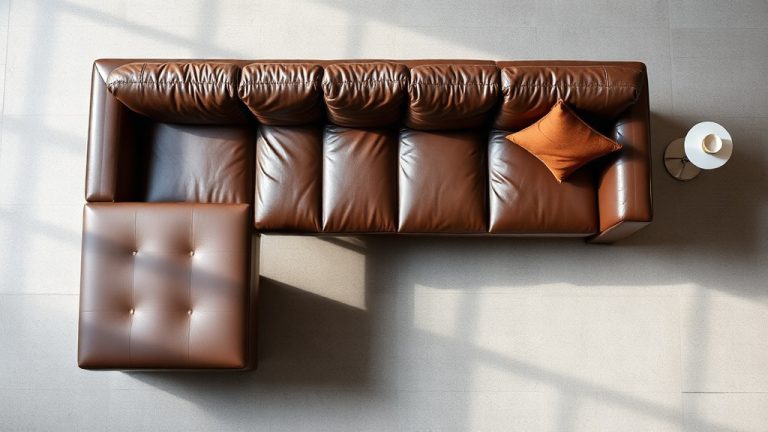
Good news — sectionals are the easiest sofas to break down. They’re built in pieces that connect with brackets, hooks, or bolts underneath.
Lift one section slightly while your helper pulls the other piece away. Many connect with a simple interlocking fork-and-pin design. Once disconnected, each piece is manageable on its own.
What About Reclining Sofas?
Recliners add a layer of caution: many have springs and levers under the seat. Unplug any power cord first if yours is electric. Our step-by-step guide to taking a recliner sofa apart shows where those springs and levers hide.
Remove the back panels — most pop off with a clip or screw system. Then unbolt the reclining mechanisms from the frame. Take photos as you go; the springs and levers will make a lot more sense later.
When to Call a Professional Instead
Sometimes breaking down the couch yourself isn’t worth it. We found a few clear signs it’s time to hand things over:
- The sofa is antique or heirloom quality — a pro can disassemble without ruining the value.
- You’re dealing with a three-story walk-up and no helper in sight.
- The frame is glued and stapled throughout, with no visible joints.
- You have back problems or limited mobility — heavy lifting isn’t worth the risk.
Furniture disassembly services typically cost far less than a trip to the emergency room. Many movers offer it as an add-on, so ask before you book.
What to Do With the Pieces Afterward
If you’re moving, wrap each piece in furniture pads or old blankets and tape them securely. Label everything — “left arm,” “right arm,” “back” — so reassembly is brain-dead simple.
Disposing of the sofa? Many cities offer bulk pickup, but some require the sofa to be broken down first. Check your local sanitation department’s rules online. Breaking it up often makes curbside disposal possible when a whole couch isn’t.
And if any piece is still in good shape, consider donating it. Many charities accept sectional pieces and even arms separately if they’re clean and intact. Your old couch might just become someone else’s favorite spot to nap.
Conclusion
Breaking up a sofa comes down to patience and the right order of operations. Strip the loose items, unscrew the legs, detach the back and arms, and only split the frame if you truly need to. We found that labeled bags of hardware and a few before-photos make reassembly painless, while gloves and eye protection keep the job safe. If the couch is glued solid, heavy, or an heirloom, call a pro instead — that’s not giving up, that’s being smart. Now grab your screwdriver, clear that workspace, and take apart your first section today.
Frequently Asked Questions
Will taking my sofa apart ruin it?
Usually not. Sofas are designed to come apart at the legs and bolted sections without losing strength. If you work slowly and keep every piece of hardware, most couches reassemble just as sturdy as before.
How long does it take to break down a couch?
Most people need 30 to 60 minutes for a standard sofa, and less for a sectional. A reclining sofa with hidden mechanisms can take closer to two hours. Your first one always goes slower than your second.
Can I break up a sofa without tools?
Sometimes, but it’s rare. Legs often twist off by hand, yet almost every frame needs at least a screwdriver or wrench for the hidden bolts. A basic $15 tool kit covers nearly every sofa we researched.
Do I need to break down my sofa for disposal?
It depends on your city. Some sanitation departments grab whole couches at the curb, while others require pieces small enough to lift. Check your local bulk pickup rules online before hauling anything outside.
What’s the best way to move a broken-down sofa?
Wrap each piece in a furniture pad or blanket and secure it with packing tape. Label every part clearly and carry the hardware bags in a separate, obvious spot like your glove box. Flat pieces stack neatly in a truck bed or SUV.