How to Choose the Right Sectional Sofa for Your Space
Choosing the right sectional sofa comes down to three things: measuring your space, matching the layout to how you actually live, and picking a fabric that fits your household. Get those right, and everything else falls into place.
We found that the biggest mistakes people make happen before they even shop. They forget to measure doorways, pick an L-shape when a U-shape would fit better, or fall for a fabric that won’t survive their dog’s zoomies. Many experts say your lifestyle should guide the choice as much as your budget. Sounds fair, right?
- Measure everything — your room, your doorways, and your hallway.
- Choose the layout that matches how you sit, entertain, and relax.
- Pick a durable fabric if you have kids, pets, or messy snackers.
- Test the seat depth — comfort beats looks every time.
- Set a realistic budget before you fall in love with a showroom display.
Below, we break down everything you need to know about choosing a sectional sofa, step by step — so you can shop with confidence instead of regret. Our general sofa-buying guide covers the same steps for any sofa style.
Finding the perfect sectional sofa requires a thoughtful approach to design and function. You need to match the piece to your home’s physical space and your family’s daily routines. A simple L-shape works best for narrow rooms, while a modular style offers maximum flexibility for larger gatherings.
Guiding Your Sofa Selection Process
When selecting a sectional, you must first verify that the piece actually fits in your home. Next, determine if the style matches your living habits, and finally, pick a material that can stand up to real life.
Honing In On Spatial Measurements
Many people rush this step, leading to a sofa that looks great online but won’t even fit through your front door. It is vital to treat your measurement process like a meticulous blueprint inspection.
Measuring Every Angle of Your Home
Start with the room itself. Measure the total length and width of the space where the sectional will sit. Remember to account for the surrounding furniture and walkways you plan to keep clear. We found that measuring the distance between outlets and walls helps you choose a sofa that doesn’t block essential services.
Do not forget the tricky spots like hallways and doorways. If the sectional needs to be delivered through a narrow entryway, measure that threshold carefully. You do not want delivery day to turn into a furniture Tetris nightmare.
Consider the furniture placement. Leave adequate clearance around the sofa so you can actually move around comfortably. Expert interior design recommendations often suggest keeping at least 15 inches of walking space around seating for good circulation (Mayo Clinic).
Understanding Sofa Shapes and Layout Potential
The shape you choose dictates how your room functions when you sit down. Think about the flow of traffic and how many people you regularly host. Your sofa should enhance your space, not obstruct it.
Comparing Common Sectional Configurations
Different layouts suit different living styles. We found that the best configuration is always the one that aligns with how you truly spend your time in the room. Are you a cozy movie marathon person, or do you host large parties often?
L-Shape, U-Shape, and Modular Options
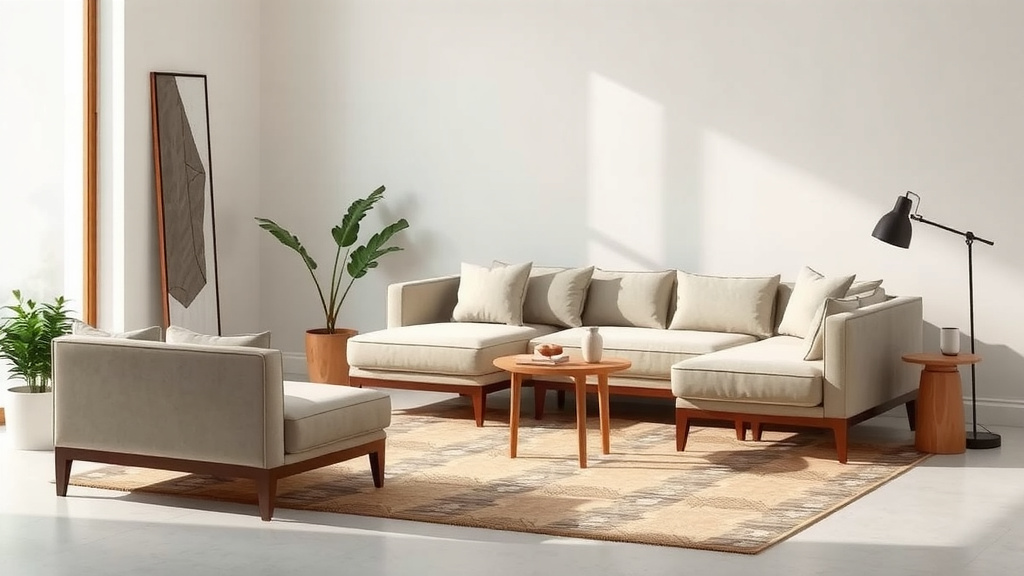
The L-shape is the most common choice. It creates a defined conversational area without taking up excessive square footage. The U-shape offers maximum seating and is great for entertainment but requires a larger floor plan. Modular options provide endless customization, allowing you to add or subtract pieces as your lifestyle changes.
| Sofa Type | Best Use Case | Space Needs |
|---|---|---|
| L-Shape | Small to medium rooms; cozy sitting. | Moderate |
| U-Shape | Large rooms; high-capacity entertaining. | Large |
| Modular | Flexible layouts; changing needs. | Variable |
Assessing Comfort and Quality Materials
A beautiful sofa that feels awful is just an expensive decoration. Comfort is the primary reason you buy a sectional. You need to physically test the piece before committing to a purchase.
Testing the Real-World Feel of the Piece
When you are in a showroom, sit on the sofa for a few minutes, don’t just give it a quick bounce. Lean back, sit cross-legged, and try reclining if it has that option. This gives you a realistic sense of the cushions.
Deep Dive Into Seat Depth
Seat depth is arguably the most important feature for long-term comfort. If the seat is too deep, your back will strain; if it is too shallow, you won’t be able to settle into it comfortably. We found that a depth that allows your knees to bend fully while supporting your lower back is the sweet spot.
Selecting Fabrics for Your Lifestyle
Your home’s inhabitants determine your material needs. If you have small children or pets, a standard velvet or delicate linen will not survive their busy lives. Choose fabrics with performance features in mind.
Choosing Durability Over Looks Alone
Performance fabrics are designed to resist stains and wear and tear. Many fabrics feature stain-guard technology, which is a lifesaver. Research indicates that high-quality fabrics can last much longer, offering better value over time (Consumer Product Safety Commission guidelines).
Here is a quick checklist to help you verify a sofa’s suitability for your household:
- Does the fabric have a stain-resistant treatment?
- Can the cushions be easily removed for cleaning?
- Does the seat depth feel supportive for your body?
- Does the material feel sturdy when you push down on the arms?
- Is the frame visibly made of dense, quality material?
- Does the color complement your existing decor and vibe?

Making Budget-Conscious Decisions
A sectional can be a significant financial investment. Before you get swept away by the showroom ambiance, you need a firm budget. Research and found that patience in the research phase saves money and stress later.
Defining Your Spending Tiers
Sectionals typically fall into a few price categories. Entry-level options often prioritize style over durability. Mid-range sofas offer a good balance of aesthetics and performance, while high-end pieces promise decades of use. Knowing where you stand helps you make a decision you feel good about.
Prioritizing Quality Over Immediate Discounts
Do not feel pressured to buy during a sale if you are not confident in the quality. A cheap sofa will likely need replacement much sooner than a well-made investment piece. Think of this purchase as giving your living room a long-term upgrade. We encourage you to seek out multiple reviews from neutral sources before settling on a brand.
Conclusion
You now have all the tools you need to approach sectional shopping with total confidence. Remember that finding the perfect sofa is not about grabbing the first beautiful piece you see. It is a careful balancing act between your physical space, your family’s daily habits, and your long-term budget. We found that addressing the measurement of doorways first is often the most important step you can take. Your living room deserves a piece that supports your lifestyle, not just one that looks good. Take your notes, finalize your style vision, and start testing those cushions soon!
Frequently Asked Questions
How do I determine the ideal cushion type for my lifestyle?
If you have a highly active home, you need high-density foam or down alternatives with performance covers. These materials resist sagging and are much easier to clean than standard fabric. We found this type of construction provides the best mix of support and durability for families.
Is a modular sectional always the best option for small apartments?
No, while modular options offer flexibility, they can feel bulky even in smaller spaces. An L-shaped or straight sectional often feels more tailored and intentional in a compact layout. Consider a “sofa-chaise” style if you want customization without adding significant visual bulk.
How often should I deep-clean and maintain my new sofa?
Maintenance depends heavily on the fabric you select and how much you use the sofa. For high-traffic areas, a vacuum weekly and a professional cleaning every 6 to 12 months is advisable. Using protective sprays on performance fabrics also extends the life of your investment.
What is the difference between throw pillows and built-in back cushions?
Built-in back cushions are permanently attached to the frame and are designed for structural support and long-term use. Throw pillows are purely decorative and are meant to add color, texture, and extra lumbar support for when you are relaxing.
Should I buy all the furniture pieces in one trip?
It is better to space out your major purchases. We suggest buying your sectional first since it anchors the room. Then, shop for smaller accent pieces like rugs and lighting after you have the sofa, as you will need those items to complement its color and size.