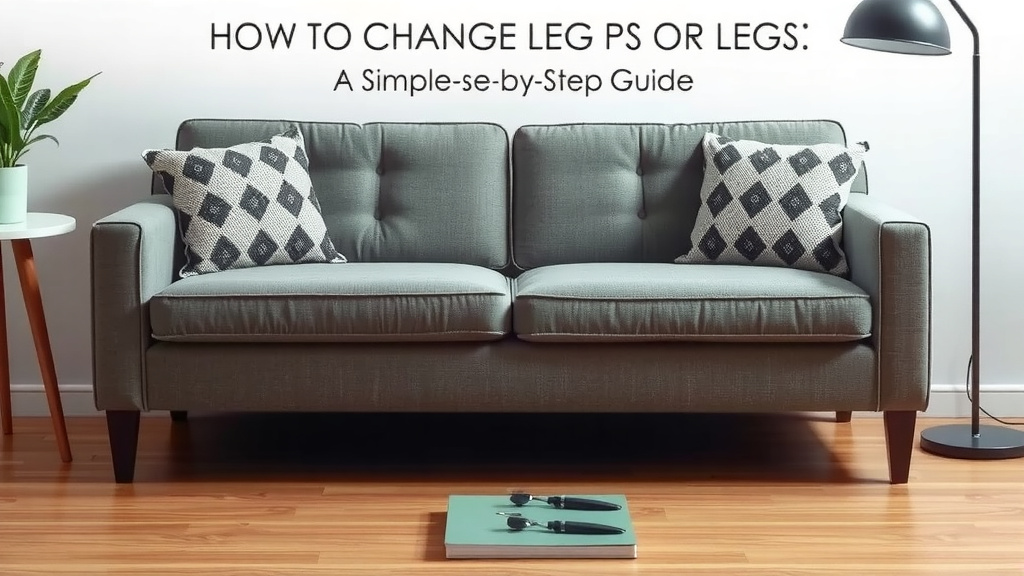
How to Change Sofa Legs: A Simple Step-by-Step Guide
The easiest way to change legs on a sofa is to flip it over, unscrew the old legs with a wrench or by hand, and screw in the new ones. Most sofa legs use standard bolts, so the whole job usually takes under 30 minutes. No pro needed, no special tools, no sweat.
Why bother? Fresh legs can totally transform your couch’s look, fix a wobbly situation, or add a few inches of height. We researched this topic and found that swapping legs is one of the easiest DIY furniture upgrades out there — perfect for renters and homeowners alike. Plus, replacement legs come in every style imaginable, from mid-century tapered wood to chunky modern metal.
TL;DR — Quick takeaways:
- You can change most sofa legs yourself in under 30 minutes.
- Check your sofa’s mounting type first: screwed-in, bolt-on, or plate-mounted.
- Match the bolt size and thread pattern when buying new legs.
- Basic tools like pliers or an adjustable wrench usually do the trick.
- Tall or angled legs may need extra support plates for stability.
Ready to give your couch a whole new personality? Let’s walk through exactly how this works, step by step, so you can tackle it with confidence this weekend.
Swapping Out Sofa Legs Without the Headache
Changing legs on your sofa is mostly about unscrewing the old ones and screwing in the new pair. The trick isn’t muscle — it’s knowing what type of mount you’re dealing with. Get that right, and the rest is easy.
Think of it like changing a lightbulb. Once you know the socket size, it takes two minutes. Same deal here.
Step 1: Flip and Inspect Your Sofa
Grab a friend if your couch is heavy, then tip it gently onto its back or side. We recommend laying down an old blanket first so you don’t scratch the frame or your floor.
Now look closely at each leg. Ask yourself: does it screw straight into the wood, or is it attached with a metal bracket? This one glance saves you from buying the wrong legs — the number one mistake we found among first-timers.
The Three Mount Types You’ll See
| Mount Type | How to Spot It | Removal Method |
|---|---|---|
| Screwed-in | Leg threads directly into the frame | Twist counterclockwise by hand |
| Bolt-on | Bolt goes through the leg into a nut or T-nut | Wrench or Allen key on the bolt |
| Plate-mounted | Metal plate screwed to the frame | Unscrew plate screws, swap plate or leg |
Step 2: Remove the Old Legs
For screwed-in legs, simply turn them counterclockwise. If they’re stubborn, wrap a rubber band around the leg for grip or use pliers with a soft cloth to avoid dents.
Bolt-on legs need an adjustable wrench or the right-size Allen key. Hold the leg steady while you turn the bolt. Stuck bolts? A drop of penetrating oil and ten minutes of patience usually does it.
Step 3: Match Your New Legs
This is where shopping gets tricky. Take an old leg with you (or measure it) before ordering replacements. Many experts suggest matching three things: the bolt diameter, the thread pattern, and the mount type.
We found that M8 (8mm) bolts are the most common on US sofas, but 5/16-inch and M10 sizes also show up often. When in doubt, buy an attachment fitting sampler kit for a few dollars — it takes the guesswork out completely.
Height and Angle Basics
Keep the same leg height unless you want a ride-up. Taller legs change how your sofa sits and how much weight each corner carries. Angled or tapered legs on a straight-mount frame need an angled adapter plate, or the sofa will lean like it’s had a long day.
Step 4: Install the New Legs
Screw each leg in by hand first until it’s snug. Then finish with a wrench — snug, not gorilla-tight. Overtightening can strip the threads or crack the frame, which turns a fun project into a repair bill.
Once all four legs are on, flip the sofa upright and press down on each corner. Any rocking means a leg is loose or uneven. Adjust and re-test.
Your Pre-Project Checklist
- Identify your mount type (screwed, bolt-on, or plate)
- Measure bolt diameter and thread count
- Buy matching legs or an adapter kit
- Set out your tools: wrench, pliers, cloth, screwdriver
- Lay a blanket down for flipping the sofa
- Recruit a helper for heavy or oversized couches
When Sofa Legs Won’t Budge
Stuck legs are frustrating but rarely permanent. Here’s what actually works, based on tips we found across woodworking and upholstery forums.
- Rust or old glue: apply penetrating oil, wait 15 minutes, then twist again.
- Stripped threads: grip the exposed bolt with locking pliers.
- Spinning T-nuts: hold the nut from inside the frame with a wrench.
- Painted or glued joints: a hairdryer softens old adhesive gently.
If the frame itself is cracked, stop and reassess. A damaged mounting block isn’t a leg problem — it’s a repair problem. Safety matters more than style here, since a collapsing couch corner can cause real injuries. Unsafe furniture causes thousands of injuries each year, and unstable pieces are a known hazard, especially around kids (Consumer Product Safety Commission).
How to Tell If Your Frame Can Handle New Legs
Press firmly on the area around each mount. Solid wood or thick plywood feels firm. Soft, crumbly, or creaking spots mean the mounting point is weak. In that case, add a reinforcement block or a wider mounting plate before installing new legs.

Picking Legs That Fit Your Style and Floor
Style is the fun part. Mid-century tapered wooden legs suit vintage fabrics. Chunky square legs feel sturdy and modern. Hairpin metal legs give small rooms an airy look.
Don’t forget your floors. Hardwood scratches, so look for legs with felt pads or add your own. Carpet can handle almost anything, but very tall legs may sink in and make your sofa sit lower than expected.
A quick note on weight: check the load rating before you buy. Cheap legs on a heavy sectional are a bad pairing. We found that solid hardwood or steel legs hold up best for big sofas and daily loungers (yes, including the dog).
Caring for Legs After Installation
Recheck tightness after a week of use. Wood compresses slightly, and bolts loosen a bit. A 30-second check with a wrench keeps everything rock solid for years.
Conclusion
Changing the legs on your sofa is one of the most rewarding quick upgrades you can do at home. Identify your mount type, match the bolt size, and swap in new legs with basic tools — most people finish in under 30 minutes. Just remember the golden rules: snug, not overtightened, and sturdy mounting points come first. We found that a little prep saves a lot of frustration, especially the step where you check the frame before buying anything. Your couch has been carrying you for years — now it’s your turn to give it a fresh start. This weekend, flip that sofa over and see what’s underneath. You might be surprised how easy the fix really is.
Frequently Asked Questions
Can I put taller legs on my sofa to raise it?
Yes, but go up gradually — an inch or two is usually safe. Taller legs shift weight distribution and can stress the mounting points on older frames. Also check that your sofa’s cushions and back height still feel comfortable at the new level.
Are all sofa legs universal?
Unfortunately, no. Bolt sizes, thread patterns, and mounting plates vary between brands, so an off-the-shelf leg may not fit your couch. Always measure your existing leg or bring it to the store before buying replacements.
Can I change sofa legs on a sectional or recliner?
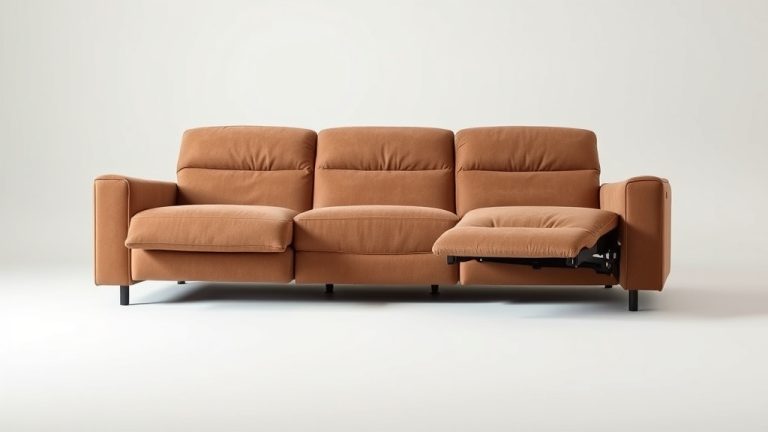
You can on most sectionals, since each piece usually has its own standard mounts. Recliners are trickier because the mechanism often connects to the frame, and removing legs may interfere with function. Check your recliner’s manual first, or skip leg swaps on those models. Our guide to taking a recliner sofa apart shows which connections to check first.
How do I stop my new sofa legs from scratching hardwood floors?
Stick felt pads to the bottom of each leg — they cost a few dollars at any hardware store. For extra protection, consider rubber-capped legs or a small area rug under the front feet. Check the pads every few months and replace them when they wear thin.
Is it safe to change sofa legs on a couch I use every day?
Yes, as long as you match the bolt size and choose legs with a load rating that fits your sofa’s weight. After installation, sit down gently the first few times and recheck the bolts after a week. Solid wood or steel legs handle daily use best.