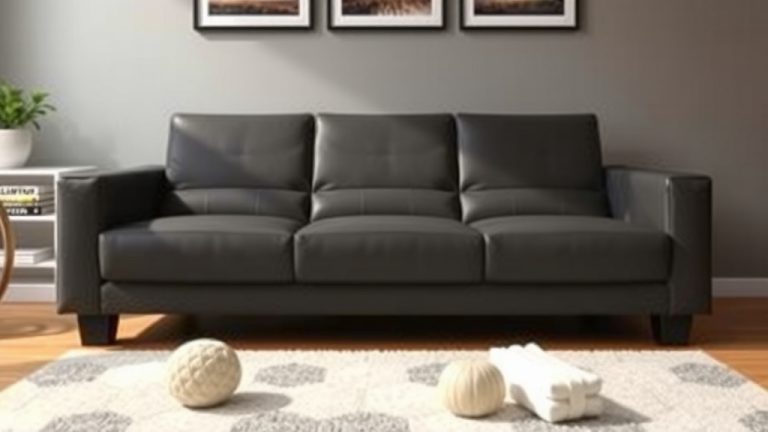
How to Change Sofa Fabric Color: A Step-by-Step Guide
The easiest way to change sofa fabric color is to dye or paint the existing upholstery with a product made for fabric, or slipcover the sofa in a new color entirely. Both options can give your couch a fresh look without spending hundreds on a new one. The best method depends on your fabric type and how bold you want the change to be.
Here’s the catch, though: not every fabric takes dye well. We researched the most common upholstery materials and found that cotton and linen accept dye easily, while polyester and leather usually need fabric paint instead. Many experts say checking your sofa’s care tag first is the smartest first step.
TL;DR:
- You can change your sofa color by dyeing, painting, or slipcovering it.
- Cotton and linen fabrics take dye best; synthetic fabrics need paint.
- Always check the care tag and do a small test spot first.
- DIY costs far less than reupholstering or buying new furniture.
- Prep work, like cleaning the fabric, matters just as much as the product you choose.
So, ready to give that tired couch a second life? Below, we break down everything you need to know, step by step, so you can pick the right method and get it right the first time.
Changing the Color of Your Sofa Fabric: What Works
The method that works best depends on your fabric. Cotton and linen drink up dye. Synthetics and leather need fabric paint. We found that matching the product to the material is the biggest factor in whether your project looks great or ends up in the donation pile.
Step 1: Check Your Care Tag and Fabric Type
Flip a cushion and find the tag. Look for codes like W, S, or WS. A W means water-based cleaners are safe. An S means solvent only. If the tag is missing, test a hidden spot with a damp cloth and see what happens.
Why does this matter? Because dyeing a polyester blend with regular dye is like washing a cat — technically possible, but you’ll regret it. Natural fibers take dye. Synthetics often refuse it.
- Cotton and linen: take dye well
- Polyester and microfiber: need fabric paint or special dye
- Leather and vinyl: need leather paint only
- Wool and blends: mixed results, test first
Step 2: Clean the Fabric Thoroughly
Dye and paint cling to dirt, oils, and old stains. Skip this step and every smudge becomes a permanent souvenir. Vacuum the whole sofa, including crevices. Then spot clean or use a steam cleaner if your fabric allows it.
Let it dry completely. A full day is usually enough. Many cleaning guides warn that damp fabric absorbs products unevenly (Good Housekeeping has covered this often).
Step 3: Pick Your Method
Now for the fun part. Here’s a quick comparison to help you choose.
| Method | Best For | Cost | Durability |
|---|---|---|---|
| Fabric dye | Cotton, linen | $15–$40 | Fades over years |
| Fabric paint/spray | Synthetics, microfiber | $25–$60 | Can crack with heavy use |
| Leather paint | Leather, vinyl | $30–$70 | Lasts with care |
| Slipcover | Any fabric | $50–$200 | Removable and washable |
Step 4: Test on a Hidden Spot First
Never skip the test patch. We can’t say this enough. Pick the back of a cushion or a spot under the skirt. Apply your product, let it dry, and check the color and texture.
If it looks blotchy or feels stiff, you just saved your sofa. If it looks good, move forward with confidence.
Step 5: Apply in Thin, Even Layers
Thin coats beat one thick coat every time. Thick layers pool, drip, and dry stiff. Work in small sections with a spray bottle, sponge, or brush. Blend each section into the next while it’s still wet to avoid lines.
Plan on two to three coats for dark-to-light changes. Going from dark to light is the hardest. Sometimes you’ll need a lighter base coat first, like primer on a wall.
Ventilation and Safety Basics
Open your windows and turn on a fan. Many dye and paint fumes aren’t good to breathe for hours at a stretch. Health guidance from the CDC recommends good airflow whenever you work with chemical products indoors. Wear gloves, and keep pets and kids out of the room until it dries.
Slipcovers: The Zero-Risk Option
Want to test-drive a new color before committing? A slipcover is your friend. It’s like dating before marriage — no permanent decisions. Modern stretch slipcovers look far better than the loose, baggy ones your grandma fought with.
Measure your sofa first. Then check the fabric blend. Cotton-poly blends resist wrinkles better than pure cotton. Wash your slipcover before putting it on so it fits right from day one.
Slipcovers also make sense if you rent, have pets, or change your mind often. You can swap colors each season without touching the sofa itself.
Your Pre-Project Checklist
Before you start, run through this quick list. We found that people who prep well get far better results.
- Read the care tag and confirm your fabric type
- Buy 20% extra dye or paint than you think you need
- Test a hidden patch and let it dry fully
- Vacuum and clean the entire sofa
- Protect your floor with drop cloths or plastic
- Set aside a full day — rushing shows in the finish

Common Mistakes to Avoid
Even eager DIYers slip up here. The most common error? Applying product to dirty fabric. The second most common? Using regular clothing dye on upholstery. Clothing dye is made for items you can soak in a bucket. Your sofa can’t take a bath.
Another trap: expecting perfect, factory-even color. Hand-dyed upholstery has character. Slight variation is normal and usually looks fine from a few feet away. If you want flawless, reupholstering is the only guaranteed route.
When to Call a Professional
Sometimes DIY isn’t worth it. If your sofa is antique silk, velvet, or heavily textured leather, a pro has tools and products you can’t buy at the hardware store. Professional reupholstering or dyeing costs more, but it protects a piece you love. Many experts say a quality sofa is worth saving rather than replacing (Consumer Reports has made similar points about furniture longevity).
Ask for a small sample treatment first. Any reputable pro will agree. If they won’t, keep looking.
Conclusion
Changing your sofa’s fabric color is one of the most satisfying DIY wins you can pull off in a weekend. We found the formula is simple: match the product to your fabric, clean thoroughly, test a hidden patch, and apply in thin coats. If your couch is cotton or linen, dye works. If it’s synthetic or leather, reach for fabric or leather paint. And if you’d rather keep things flexible, a modern slipcover gives you a new look with zero commitment. The best part? You’ll spend a fraction of what a new sofa costs. So flip that cushion, check the tag, and grab your supplies — your couch deserves a comeback.
Frequently Asked Questions
Can you change the color of a dark sofa to a lighter one?
Yes, but it’s the toughest color transition. Dark fabrics usually need multiple light coats, and some projects require a light base coat first to block the original shade. Manage your expectations — the result may look slightly softer than the swatch on the can.
How long does fabric paint last on a sofa?
With careful application and gentle use, fabric paint can hold up for several years. High-traffic cushions and seams may show wear or cracking sooner. Our research found that keeping layers thin and letting each coat dry fully makes a big difference in longevity.
Is it cheaper to dye a couch or buy a new one?
Dyeing wins almost every time on price. Most dye and paint projects run between $15 and $70, while even a budget replacement sofa costs several hundred dollars. The tradeoff is that DIY results won’t look perfectly factory-even, so weigh that against your standards.
Can I use Rit dye on my couch?
Only if your fabric is cotton or linen and you can apply it without soaking the sofa. Standard clothing dye is designed for items you can submerge in a bucket, which your couch can’t do. For upholstery, look for dyes and paints labeled for furniture use instead.
How do I keep my newly dyed or painted sofa from fading?
Keep it out of direct sunlight, which fades dyed fabric fast. Vacuum regularly with a soft brush attachment instead of scrubbing, and blot spills quickly rather than rubbing. If you used fabric paint, avoid harsh cleaners that can strip the finish.