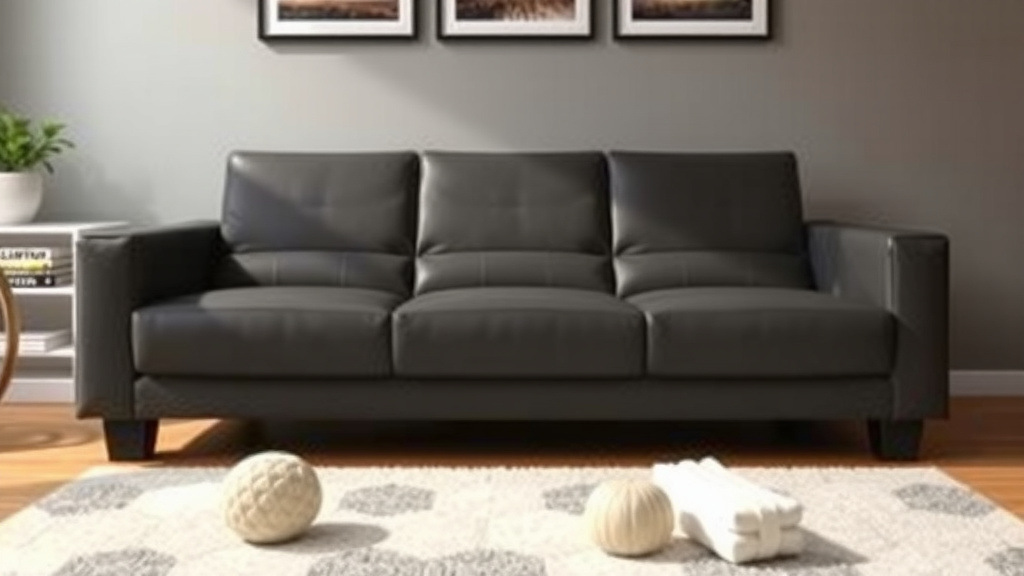
How to Clean a Faux Leather Sofa: Easy Steps That Work
The easiest way to clean a fake leather sofa is to wipe it down with a soft cloth dipped in warm, soapy water, then dry it right away. No fancy products needed. Just mild dish soap, water, and a little gentle elbow grease.
Here’s the thing though: faux leather (also called pleather or vegan leather) can crack and peel if you treat it harshly. So skip the bleach, the abrasive scrubbers, and the full-on soaking. We researched what works best and found that gentle, regular care keeps these sofas looking fresh for years.
Short on time? Here’s the quick version:
- Dust first. Vacuum or wipe off crumbs and debris before any wet cleaning.
- Use mild soap and water. Harsh chemicals can dry out and crack the surface.
- Blot spills fast. Don’t let stains sit, and never scrub hard.
- Dry immediately. Leaving water on faux leather invites peeling.
- Condition occasionally. A light conditioning keeps the material soft and flexible.
Below, we walk you through exactly how to clean your faux leather sofa step by step, plus what to avoid so you don’t end up with a peeling mess. Let’s get that sofa looking good again.
Cleaning Your Faux Leather Sofa the Right Way
The best routine is simple: dust, wipe with soapy water, dry. That’s it. Done weekly, this three-step habit keeps pleather looking new for years. We found that most damage happens from doing too much, not too little.
Think of faux leather like your skin. It doesn’t need harsh scrubbing. It needs gentle, consistent care.
What You’ll Need Before You Start
Gather everything first. It makes the job quick and painless. Here’s your toolkit:
- Mild dish soap (like regular hand-washing dish liquid)
- Warm water — not hot
- Microfiber cloths — two or three of them
- A soft vacuum brush attachment
- Distilled water (optional, for hard-water areas)
- Faux leather conditioner (optional, for monthly care)
Skip anything abrasive. No magic erasers, no scrub brushes, no rough sponges. Those tiny scratches add up fast.
Step-by-Step: The Basic Cleaning Routine
Step 1: Clear Off the Dust and Debris
Start dry. Use your vacuum’s soft brush attachment to lift crumbs, dust, and pet hair from every cushion and crevice. Pay extra attention to seams and the space between cushions.
Why bother? If you skip this, you’ll just smear wet grit across the surface. That’s how micro-scratches happen.
Step 2: Mix Your Cleaning Solution
Add a few drops of mild dish soap to a bowl of warm water. You want it barely sudsy, not a bubble bath. Too much soap leaves a sticky film that attracts more dirt.
Dip a microfiber cloth in, then wring it out thoroughly. The cloth should feel damp, not dripping. This is the single most important detail — faux leather hates excess water.
Step 3: Wipe Gently, Section by Section
Work in small areas, maybe two feet at a time. Wipe in soft, circular motions. Let the soap do the work; don’t press hard.
Rinse your cloth often in clean water and re-wring. A dirty cloth just moves grime around.
Step 4: Dry Immediately
Grab a second, dry microfiber cloth and wipe each section right away. Standing water is the enemy. It seeps into seams and weakens the backing, which leads to peeling.
Never use a hair dryer or park the sofa in direct sunlight to dry. High heat cracks the surface. Air drying with a towel takes two minutes and works better.
How to Tackle Common Stains
Spills happen. The key is speed and gentleness. Here’s a quick guide we put together based on common stain types:
| Stain Type | What to Do | What to Avoid |
|---|---|---|
| Food or soda spills | Blot with a damp, soapy cloth right away | Scrubbing or rubbing in circles hard |
| Ink from pens | Dab lightly with a tiny bit of rubbing alcohol on a cotton swab | Soaking the area or using alcohol freely |
| Grease or oil | Sprinkle a little cornstarch, wait 10 minutes, then brush off and wipe | Pressing the grease deeper with force |
| Coffee or wine | Blot fast, then wipe with mild soapy water | Letting it sit overnight |
| Unknown mystery stains | Test soapy water on a hidden spot first, then wipe gently | Grabbing strong chemicals right away |
One rule applies to all of them: blot, don’t rub. Rubbing spreads the stain and wears down the coating.
Testing Any Cleaner on a Hidden Spot First
Before you clean the whole sofa, test your solution somewhere hidden — under a cushion or along the back edge. Wait 24 hours and check for color changes or dullness.
It sounds like an annoying extra step. But five minutes of testing beats ruining a $600 sofa. Trust us on this one.
How Often Should You Clean a Faux Leather Sofa?
Here’s a schedule that keeps things easy. Light care often beats deep cleaning rarely.
- Weekly: Dust or vacuum, then a quick damp wipe
- Monthly: Full soapy-water wipe-down and dry
- Every 2–3 months: Apply a light faux leather conditioner
- Immediately: Blot any spill, no exceptions
Many manufacturers recommend conditioning because faux leather lacks the natural oils real leather has. Once it dries out, cracking follows. A small bottle of conditioner lasts ages, so it’s a cheap insurance policy.
Things That Will Ruin Your Faux Leather
We found a clear pattern in what shortens a pleather sofa’s life. Avoid these common mistakes:
- Harsh chemicals — bleach, ammonia, and vinegar can strip the coating
- Too much water — soaking leads to peeling at the seams
- Direct sunlight — UV rays dry out and fade the surface (many experts suggest keeping faux leather out of sun-drenched windows)
- Heat sources — radiators and hair dryers crack the material
- Abrasive tools — scrub pads and magic erasers create permanent micro-scratches
- Sitting on wet spots — body heat plus moisture speeds up breakdown
Got a cat? Consider a throw blanket. Pet claws are arguably the number-one faux leather destroyer we hear about.
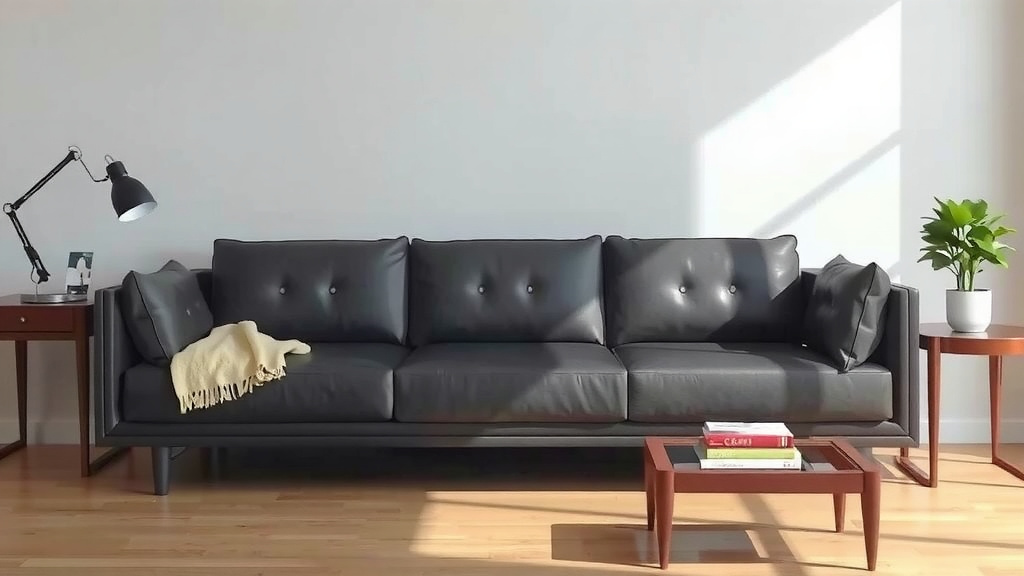
Quick-Reference Cleaning Checklist
Pin this list to your fridge or save it on your phone:
- ✅ Vacuum with a soft brush attachment
- ✅ Mix warm water with a drop or two of dish soap
- ✅ Wring your cloth until it’s just damp
- ✅ Wipe in small sections with gentle circles
- ✅ Dry each section right away with a clean towel
- ✅ Condition every 2–3 months to keep it flexible
When Simple Cleaning Isn’t Enough
Sometimes the surface is already cracked, peeling, or stained beyond rescue. If the top coating is flaking off, cleaning won’t fix it — that’s material breakdown, not dirt.
You have options, though. A faux leather repair kit can fill small cracks. For widespread peeling, reupholstering or replacing may honestly cost less than endless patching. Many experts suggest comparing repair quotes against the price of a new sofa before deciding.
And if the smell is the problem — say, lingering odors from pets or spills — sprinkle baking soda lightly on the cushions, let it sit a few hours, then vacuum it off. It’s cheap, gentle, and surprisingly effective.
Your sofa doesn’t need a spa day every week. It needs fifteen minutes of kind attention and a soft cloth. Do that, and it’ll keep looking sharp long past its warranty.
Conclusion
Keeping a faux leather sofa in great shape comes down to one thing: gentle, consistent care. Vacuum weekly, wipe with mild soapy water, dry each section right away, and condition every couple of months. Skip the harsh chemicals, soaking, and abrasive scrubbers — that’s what causes peeling and cracking in the first place. We researched the common mistakes, and honestly, most damage is preventable with a soft cloth and a few minutes of attention. So here’s your next step: grab a microfiber cloth and some dish soap, and give your sofa that quick wipe-down today. Fifteen minutes now means years of a sofa that still looks fresh.
Frequently Asked Questions
Can I use baby wipes to clean my faux leather sofa?
We’d say skip them. Many baby wipes contain oils or moisturizing agents that can leave a residue and dry out the coating over time. A damp microfiber cloth with a drop of mild dish soap is safer and works just as well.
Why is my fake leather sofa peeling, and can cleaning fix it?
Peeling happens when the top coating breaks down from age, heat, moisture, or harsh cleaners. Cleaning can’t restore a peeling surface — it’s material failure, not dirt. A repair kit can help with small spots, but widespread peeling usually means it’s time to repair professionally or replace.
Is coconut oil or olive oil good for conditioning faux leather?
No, and we’d strongly advise against it. Kitchen oils can turn rancid, stain the surface, and attract dust. Stick with a conditioner made for faux or vegan leather — they’re inexpensive and formulated to keep the material flexible without residue.
Can I use disinfecting wipes or Lysol on a pleather couch?
Use them sparingly, if at all. Many disinfecting wipes contain alcohol and other chemicals that can dry out or discolor faux leather with repeated use. If you need to sanitize, test on a hidden spot first, wipe gently, and follow up with a dry cloth.
How do I get a musty or pet smell out of my faux leather sofa?
Sprinkle a light layer of baking soda over the cushions and let it sit for a few hours, then vacuum it off with a soft brush attachment. Wipe the surface down afterward with your usual soapy water routine. For stubborn odors, repeat the process once more.
Does faux leather last as long as real leather?
Honest answer: usually not. Real leather can last decades, while faux leather typically holds up for several years with good care. But if you keep it clean, conditioned, and away from sunlight and heat, you can stretch its lifespan considerably — often well past what most people expect. Our guide to how long faux leather lasts breaks down the factors that stretch or shorten its years.