How to Check If a Sofa Will Fit Through Your Door
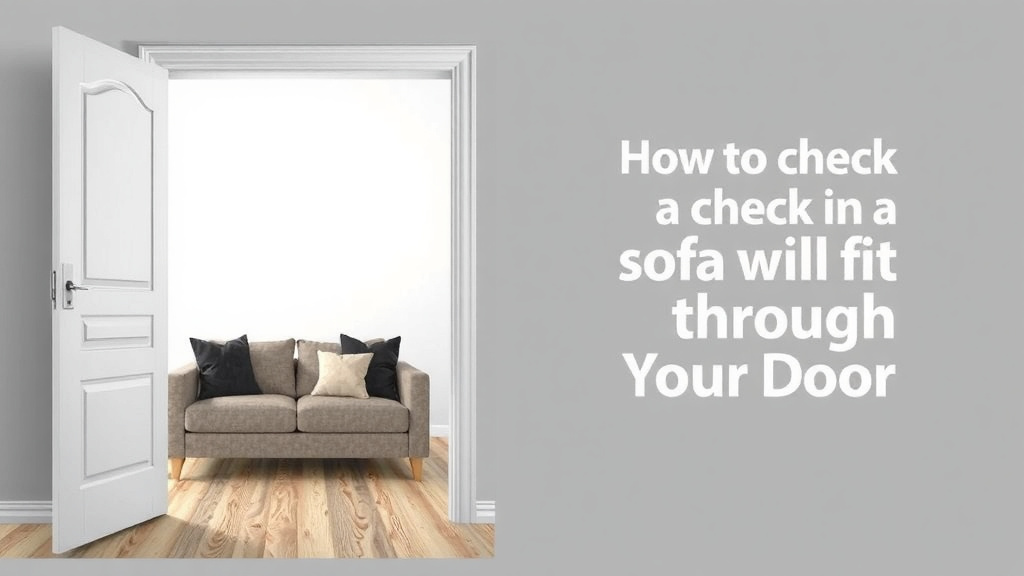
The easiest way to check if a sofa will fit through your door is to measure everything: the sofa’s width, height, and depth, plus the door opening itself. If the sofa is bigger than the doorway, it won’t fit — no matter how hard you push. Sounds simple, but this one step saves you from the classic “couch stuck sideways in the hallway” disaster. Our companion guide to getting a sofa through a tight doorway covers the tilt, turn, and disassembly tricks in detail.
Here’s the thing, though. You also need to think about hallway width, tight corners, and whether your delivery path includes stairs or an elevator. We researched common moving mistakes and found that most sofa-fit problems come from skipping the diagonal measurement, not the width alone. And don’t forget your old sofa might need to come out the same day the new one goes in.
- Measure your door’s height and width, including the frame.
- Measure the sofa’s height, width, depth, and diagonal.
- Check hallways, corners, and stairwells along the delivery path.
- Remove door hinges or legs if things are tight.
- When in doubt, order a free swatch and a tape measure before checkout, not after.
Below, we break down everything you need to know, step by step, so your new sofa goes straight to the living room instead of living on your porch. Grab a tape measure — we’ll handle the rest.
Measuring Your Sofa the Right Way
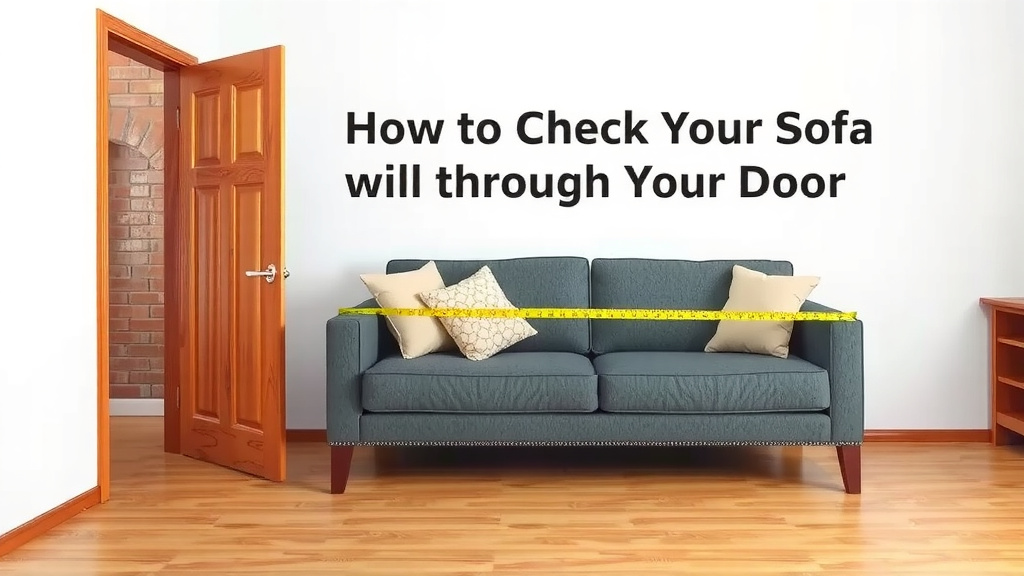
Grab a tape measure and write down four numbers: width, height, depth, and the diagonal of the sofa’s back. The diagonal is the one most people skip, and it’s usually the one that decides everything.
Why? Because when you tilt a sofa to get it through a door, it travels on its diagonal, not its width. Think of it like turning a long pizza sideways to fit it in the oven. The diagonal matters more than any single side.
How to Measure Each Dimension
Measure the sofa standing up, not from a product photo. Photos lie. Product pages round numbers down more often than you’d think.
- Width: longest horizontal side, arm to arm.
- Height: floor to the tallest point, usually the back or feet.
- Depth: front of the seat to the back of the sofa.
- Diagonal: corner to corner across the back, like measuring a picture frame.
Add an inch or two to every number. Sofas have piping, buttons, and lumpy cushions that don’t show up on a spec sheet.
Don’t Forget Removable Parts
Check if the legs screw off. Many can. We found that removing four legs often shaves 3 to 6 inches off a sofa’s height, which turns a “no fit” into a “yes, come on in.”
Cushions can come out too. So can armrests on some modular models. Every inch you can subtract is an inch you don’t have to argue with.
Measuring Your Doorway and Delivery Path
Measure the actual opening, not the door itself. Open the door and measure from the edge of the frame to the door stop. Then measure the height from the floor to the top of the frame.
A standard interior door in the US is usually about 28 to 32 inches wide. But your hallway, corners, and stairs decide the real limit, not just the door.
Mapping the Full Route
Walk the path your sofa will travel, literally. Front door, hallway, turns, final doorway. Measure every tight spot.
- Width of each hallway at its narrowest point.
- Width and height of every doorway on the route.
- Corner-to-corner space at each turn.
- Ceiling height if you plan to tilt the sofa upright.
One tight corner can be worse than the door itself. We found that “hallway pinch points” cause more returned sofas than front doors do.
Stairs and Elevators
Stairs add a new problem: the landing. Measure the width, depth, and ceiling height of each landing. A sofa that fits the steps can still fail on the turn.
For elevators, measure the cab’s interior height, width, and depth, plus the hallway door. Property managers often let you reserve the freight elevator. Ask. It beats watching your delivery driver give up on floor six.
The Math: Will It Actually Fit?
Here’s the simple rule. Your sofa’s smallest dimension needs to be smaller than the door opening’s width, and its diagonal needs to clear the height and depth of the opening when tilted. If either number fails, you have a problem.
| Measurement | Sofa Must Be | Compare Against |
|---|---|---|
| Height | Smaller | Door opening height (or hallway ceiling if upright) |
| Width | Smaller | Door opening width |
| Depth | Smaller | Hallway width and door depth |
| Diagonal | Smaller | Door height × width space when tilted |
Many moving guides suggest allowing at least an inch of wiggle room on every side. That’s not paranoia. It’s the difference between a smooth slide and a scraped door frame.
Common Sofa Types and What to Expect
Not all sofas are equal trouble. Some are known door-squeezers.
- Loveseats: usually the easiest, often under 60 inches wide.
- Standard three-seaters: 72 to 90 inches wide, need the diagonal trick.
- Sectionals: come in pieces, so measure each piece separately.
- Sleeper sofas: heavier and boxier, check the folded metal frame height. Our breakdown of full-size sleeper sofa dimensions explains the folded frame numbers to check.
Tricks When the Numbers Are Tight
Take the Door Off Its Hinges
Removing an interior door gains you 1 to 2 inches of width and the thickness of the door itself. A screwdriver and five minutes. That’s the whole job.
Tilt, Rotate, and Go Vertical
Turn the sofa on its side, or stand it straight up on end. This works when the sofa’s height is smaller than the doorway. Watch ceiling lights and low door frames on the way through.
Try a Different Entrance
Sliding patio doors, balcony doors, or a garage with a wide opening can beat the front door. We found that side entrances often have fewer turns, which matters just as much as width.
Your Pre-Delivery Checklist
Run through this list the day before delivery. It takes ten minutes and saves you an afternoon of heavy lifting regret.
- Sofa width, height, depth, and diagonal written down.
- All doorways measured, including frames and door stops.
- Hallways and corners measured at their narrowest points.
- Stair landings and elevator interiors measured.
- Removable legs and cushions noted on your spec sheet.
- Screwdriver packed and ready for hinge removal.
One last tip before the truck arrives: clear the path. Move rugs, side tables, and that one plant you keep tripping over. A clean runway makes every tight squeeze easier, and your delivery crew will thank you.
Conclusion
Checking whether your sofa fits through the door comes down to a few honest numbers. Measure the sofa’s width, height, depth, and diagonal. Then measure every doorway, hallway, and corner on the route. If the numbers are tight, pull off the legs, remove the door from its hinges, or try a different entrance. We found that ten minutes with a tape measure beats an hour of shoving a couch that was never going to fit. Before you hit that checkout button, grab your tape measure, write down your numbers, and compare them against the product specs. Your future self, standing in a scratch-free hallway, will be glad you did.
Frequently Asked Questions
What happens if my sofa doesn’t fit after I buy it?
Most retailers offer some form of return or exchange, but policies vary widely. Some charge restocking fees, and others won’t accept a sofa that failed to fit at all. Check the store’s delivery and return policy before you buy, and keep your measurements on hand in case you need to argue your case.
Will a delivery company move my sofa if it’s too big for the door?
Most delivery crews will try the standard tricks, like tilting the sofa or removing the door, but they won’t disassemble your sofa or hoist it through a window. If they can’t get it in, you’re usually looking at a failed delivery fee. Ask the retailer about their policy ahead of time so there are no surprises.
Can I hire someone to hoist a sofa through a window?
Yes, professional moving companies offer hoisting services using straps, pulleys, or small cranes. It’s not cheap, and it typically requires safe weather and a clear drop zone. If your doorway is a lost cause, get a quote first to see if hoisting costs less than choosing a different sofa.
Does furniture fabric shrink or compress to help it fit through a door?
Not in any way you can count on. Cushions may compress an inch or so when pressed, but the frame behind them won’t budge. Plan your measurements around the sofa at its full size, and treat any squeeze as a bonus rather than a strategy.
How do I measure for a sofa if I’m moving to a new apartment?
Ask the landlord or property manager for the doorway widths, hallway dimensions, and elevator sizes before moving day. Better yet, measure in person during your walkthrough and snap photos of tight spots. If you’re buying a new sofa for the space, bring those numbers with you when you shop.