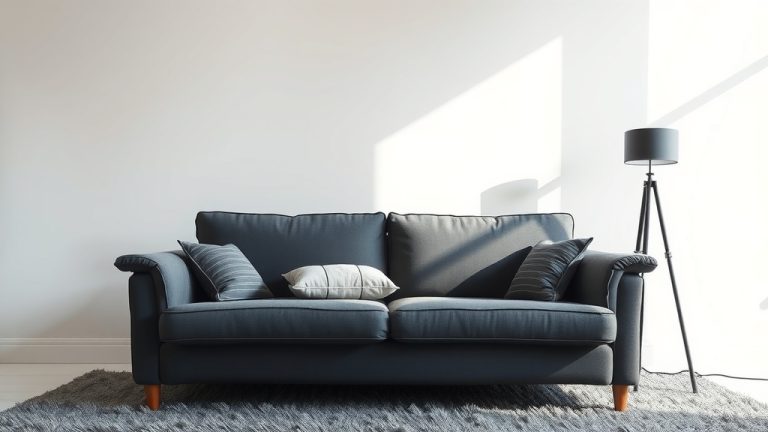
How to Choose a Quality Sofa: A Complete Buyer’s Guide
The fastest way to choose a good quality sofa is to check three things: the frame, the cushions, and the fabric. A solid hardwood frame, high-density foam, and tightly woven fabric will outlast almost anything else on the showroom floor. Get those right, and you’re already ahead of most shoppers.
Here’s the thing, though. We’ve researched dozens of guides and found that most people buy a sofa based on looks alone, then regret it within a year. A good quality sofa isn’t just about style. It’s about how it’s built, what’s inside it, and whether it fits your actual life. Got kids? Pets? A habit of eating dinner on the couch (no judgment)? All of that matters.
TL;DR — what makes a sofa worth your money:
- A solid wood or metal frame beats particleboard every time.
- High-density foam cushions hold their shape for years, not months.
- Tightly woven or leather fabric handles pets, kids, and real life better.
- Test the joinery: corners should be reinforced, not just glued or stapled.
- A warranty of 5 years or more is often a quiet sign of real quality.
Below, we break down everything you need to know to pick a sofa you’ll love for years, step by step. Let’s dig in.
Picking a Good Quality Sofa That Lasts
A good quality sofa comes down to four things: a strong frame, dense cushions, durable fabric, and honest construction. Get those right, and your couch will still look good long after the “new furniture smell” fades. Here’s how to check each one, step by step.
Start With the Frame
The frame is the skeleton. If it’s weak, nothing else matters. You can re-cover a cushion. You cannot fix a sagging, creaking frame without basically buying a new sofa.
Frame Materials That Hold Up
We found that the material list tells you most of what you need to know. Here’s the quick rundown:
- Kiln-dried hardwood (oak, ash, beech): the gold standard. It resists warping and cracking.
- Engineered wood (plywood): fine if it’s thick, multi-layer plywood. Skip thin stuff.
- Particleboard or MDF: the budget option. It sags and breaks faster. Many pressed-wood products can also release formaldehyde into your home, which the EPA warns about in indoor air (EPA).
- Plastic frames: just don’t. Your cousin jumping off the armrest will end it.
Many experts say solid hardwood is worth the extra cost if you plan to keep a sofa for 10 years or more. Think of it like buying shoes: cheap ones hurt more in the long run.
The Corner Test
Flip the sofa or check under it. Corners should be joined with wooden dowels, corner blocks, or metal brackets — ideally more than one method. Staples alone? That’s a shortcut. Glue alone? Run.
Also give it a shake. Lift one corner an inch or two. If the whole thing twists and creaks like an old ship, the frame isn’t tight.
Cushions: Comfort That Lasts
Here’s where showrooms fool people. Every sofa feels plush on day one. The real question is how it feels on day 1,000.
Foam Density, Made Simple
Foam density is measured in pounds per cubic foot. 1.8 density is the bare minimum for seat cushions. 2.0 to 2.5 is better for daily use. Higher numbers mean the foam bounces back instead of flattening into a pancake.
Ask the salesperson for the density number. If they can’t or won’t tell you, that silence speaks volumes. Springs matter too: eight-way hand-tied springs are the premium choice, while sinuous springs are fine for lighter use. Many experts say either can work — the key is that the seat doesn’t bottom out when you sit down.
Fabric Choices for Real Life
Fabric is where your lifestyle gets honest. A white linen sofa is gorgeous right up until a golden retriever disagrees.
Look for a high double rub count — that’s an industry test that simulates sitting down and standing up thousands of times. For home use, 15,000 double rubs is decent. Anything above 30,000 is built for heavy use.
Best Fabrics for Kids and Pets
We found that performance fabrics and leather consistently rank highest for busy households. Here’s a quick comparison:
| Fabric | Durability | Pet-Friendly? | Cleaning |
|---|---|---|---|
| Performance weave (Crypton, Sunbrella) | Excellent | Yes — resists claws and stains | Spot clean or bleach-safe |
| Top-grain leather | Very good | Mostly — fur wipes off, claws can scratch | Wipe down |
| Microfiber | Good | Yes — tight weave resists claws | Easy spot cleaning |
| Linen and velvet | So-so | Not really — snags and shows everything | Tricky |
One bonus tip: if anyone in your home has allergies, tightly woven fabrics and washable covers help. Soft furnishings trap dust and pet dander, which can aggravate symptoms, according to allergy researchers (AAFA).
Getting the Size and Fit Right
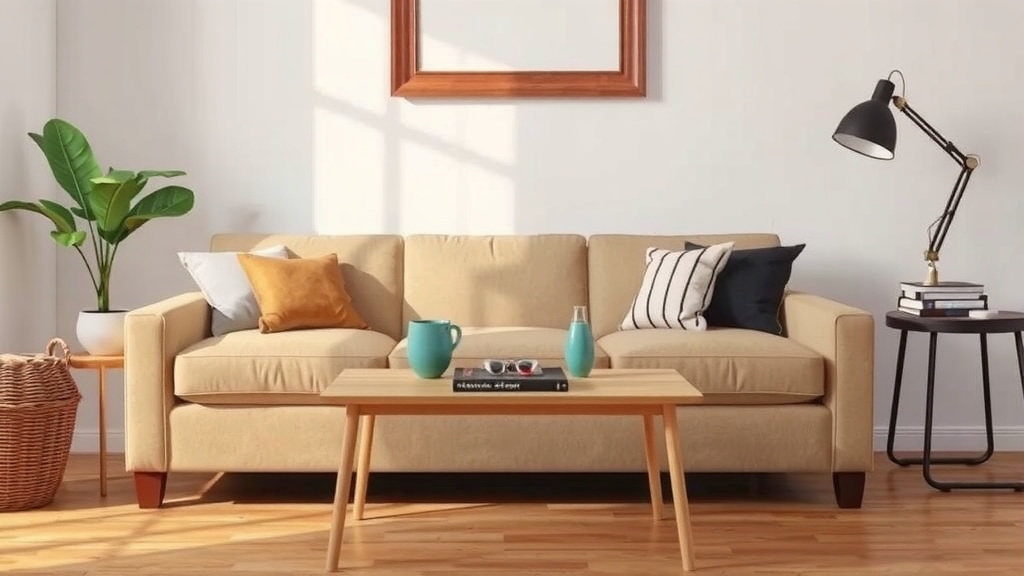
A beautiful sofa in the wrong room is just an expensive headache. Before you shop, measure three things: your doorways, your hallways, and the space where the sofa will live. Measure twice. Delivery-day horror stories are real.
Depth matters more than people think. If you’re shorter, a deep 40-inch seat means your feet dangle like a kid’s. Sit the way you actually sit — slouch, curl up, put your feet up. Ten minutes in the store saves ten years of regret.
Warranties and Test Drives
A warranty of 5 years or more on the frame and springs is a quiet vote of confidence from the maker. Some brands cover cushions for 1–2 years and frames for 10 or more. Read what’s actually covered — “limited lifetime” often isn’t.
And check the return policy. Some retailers offer 30-day or even 100-day trials. If you can only test a sofa online, order fabric swatches first. Colors lie on screens; swatches don’t.
Your Quick Sofa Shopping Checklist
Print this, save it, or screenshot it for the showroom:
- ✅ Frame is kiln-dried hardwood or thick plywood — no particleboard.
- ✅ Corners are reinforced with dowels, blocks, or brackets.
- ✅ Seat foam density is 1.8 or higher (2.0+ is better).
- ✅ Fabric has a high double rub count and suits your household.
- ✅ Warranty covers the frame for 5+ years.
- ✅ Your doorways, hallways, and room have all been measured.
That’s it. Six checks, and you’ll dodge the mistakes that trip up most buyers.
Conclusion
Here’s the honest truth: a good quality sofa isn’t luck. It’s six checks. A kiln-dried hardwood frame, reinforced corners, foam at 1.8 density or higher, fabric that survives your household, a 5-year warranty, and measurements taken before you click “buy.” We’ve researched enough guides to know that most regret comes from skipping one of these steps. You won’t make that mistake. Take your checklist to the showroom this weekend, sit the way you actually sit, and ask the questions a salesperson can’t dodge. The sofa you bring home will be one you’re still happy with a decade from now.
Frequently Asked Questions
How much should I spend on a quality sofa?
Most well-built sofas with solid frames and decent foam start around $1,000 and climb from there. Budget models under $500 usually cut corners on the frame and cushions, which is why they sag early. We suggest setting your budget by how long you want the sofa to last, not just what feels comfortable today.
Is it better to buy a sofa online or in a store?
Both can work, but they require different steps. In a store, you can test the frame, bounce on the cushions, and check the joinery yourself. Online, you’ll want to order swatches, read the specs for foam density and frame material, and confirm the return window before committing.
How long should a good sofa last?
A quality sofa should comfortably last 7 to 15 years with regular use. Frames made from kiln-dried hardwood often outlast the cushions, which is good news since cushions can be refilled or re-covered. If a sofa starts creaking or sagging within a couple of years, the frame was the weak link.
What questions should I ask a furniture salesperson?
Ask for the frame material, the foam density number, and the double rub count of the fabric. Then ask what the warranty covers and for how long. A salesperson who knows their products will answer quickly; vague answers usually mean the sofa won’t hold up.
Are expensive sofa brands always better quality?
Not always. We found that price often reflects branding and design as much as construction. Some mid-priced sofas use the same kiln-dried frames and high-density foam as designer models. Judge the build, not the label, and you’ll often save hundreds without sacrificing durability.