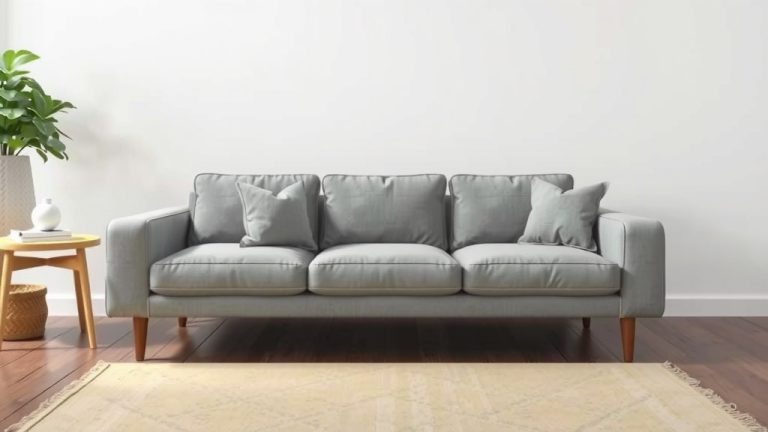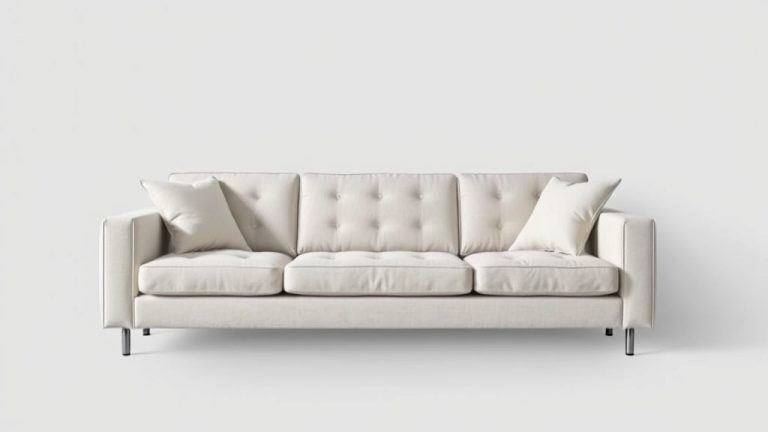
How to Choose Pillows for a Sofa: A Simple Buying Guide
Choosing pillows for a sofa comes down to three things: size, fill type, and firmness. Start by picking pillow sizes that fit your sofa — usually 18×18 to 22×22 inches for most standard couches. Then mix firm and soft pillows so they look good and stay comfy.
But there’s a bit more to it. You’ll also want to think about fabric choices, how many pillows to use, and how to layer different shapes and patterns. We researched what interior designers recommend and found that a few simple rules make mixing pillows much easier — no design degree required. Sound doable?
- Match pillow size to your sofa — 18×18 to 22×22 works for most couches.
- Pick a fill that fits your life: down for softness, polyester for easy care.
- Use an odd number of pillows, usually 3 to 5, so it looks balanced.
- Mix textures and patterns, but keep one color that ties them together.
- Choose washable covers — your future self will thank you.
Below, we break down everything you need to know about picking the perfect sofa pillows, step by step. Let’s dive in — your couch is about to get a serious glow-up.
Picking the Right Pillows for Your Sofa
The fastest way to get it right: match pillow size to your sofa size, then build from there. A standard sofa usually looks best with 18×18 or 20×20 inch pillows. Bigger sectionals can handle 22×22 or even a lumbar bar pillow.
Think of it like choosing shoes. The right pair depends on where you’re going — and how long you’ll be there.
How Sofa Size Changes Your Pillow Picks
Small loveseats get overwhelmed easily. Stick with two 18×18 pillows, one on each end. A full-size sofa can take three to five pillows. Sectionals? You can go bigger and bolder.
- Loveseat: two 18×18 pillows.
- Standard sofa: three to five pillows, mixing 18×18 and 20×20.
- Sectional: five to seven pillows, including a lumbar or oversized option.
- Deep-seated sofas: add a 24×24 in the back for extra depth.
Choosing the Best Fill for Your Lifestyle
Fill type decides how a pillow feels, holds its shape, and how much fuss it needs. There’s no single “best” — only what works for your home.
Down and Down-Alternative Fills
Down is the softest option and gives that “karate chop” look designers love. It’s pricey, though, and needs regular fluffing. Down-alternative gives you a similar feel for less money — and it’s a smart pick if anyone in your home has allergies. The Asthma and Allergy Foundation of America notes that washable bedding and covers help reduce allergen buildup, which applies to throw pillows too.
Polyester and Foam Fills
Polyester insert pillows are budget-friendly and hold their shape well. They can flatten over time, so expect to replace them every year or two. Foam inserts stay firm and structured — great for lumbar pillows and reading corners. If you like to lean on your pillows more than fluff them, foam is your friend. Curious about insert longevity? Our guide to how long sofa foam lasts explains what to expect.
| Fill Type | Feel | Care Level | Best For |
|---|---|---|---|
| Down/feather | Soft, slouchy | Fluff often, spot clean | Lived-in, cozy look |
| Down-alternative | Soft, springy | Easy, often washable | Allergy-friendly homes |
| Polyester | Firm-ish, even | Very easy | Kids, pets, budgets |
| Foam | Firm, structured | Easy | Lumbar support, reading |
Firmness: Why You Need a Mix
All-soft pillows slump. All-firm pillows feel stiff. The trick is to combine both. We found that designers almost always layer one soft, squishy pillow against one firmer one for contrast — both in look and comfort.
Rule of thumb: firmer pillows go in back, softer ones in front. Your back pillow keeps its shape all day. The front pillow is the one you hug during movie night.
How Many Pillows Is Too Many?
Here’s a question we get a lot: can you overdo it? Yes — and it happens fast. Most experts suggest an odd number, usually three to five for a standard sofa. Odd numbers look natural, like a still-life painting. Even numbers can feel stiff, like a waiting room.
One quick test: if guests have to move pillows just to sit down, you’ve crossed the line. Pillows should invite lounging, not block it.
A Simple Layering Formula
Not sure where to start? Use this easy pattern:
- Place one large pillow (20×20 or 22×22) at each end.
- Add one or two medium pillows (18×18) in front of them.
- Finish with a single lumbar pillow (12×20 or 14×22) in the center.
This “sandwich” style works on almost any sofa. It’s basically a cheat code.
Color, Pattern, and Texture That Actually Work
Picking colors is where people freeze up. Here’s the good news: you only need one unifying color. Everything else can vary around it.
The 60-30-10 Shortcut
Designers often use a 60-30-10 split for color: 60% dominant color, 30% secondary, 10% accent. Apply it to pillows by choosing mostly neutrals, a couple in your main color, and one bold pop. That bold pillow is the “cherry on top” — small but memorable.
Mixing Patterns Without Chaos
Pattern mixing sounds scary, but there’s a simple trick. Vary the scale. Pair a large floral with a small stripe or a subtle texture. If every pillow has a busy pattern of the same size, your sofa turns into visual noise.
- One solid, one pattern, one textured fabric — a safe trio.
- Stick to two or three colors total.
- Mix at least one texture: linen, velvet, chunky knit, or boucle.
- When in doubt, add a neutral to calm things down.

Fabric Choices for Real Life
Velvet looks dreamy and feels amazing. Linen breathes and reads casual. Cotton blends are durable and usually the easiest to clean. Ask yourself honestly: do kids, pets, or snack nights happen on this sofa? If yes, skip delicate fabrics like silk or fragile embellishments.
One anecdote we can’t help but share: a peanut-butter-covered toddler can undo a beautiful linen pillow in seconds. Choose accordingly.
Covers You Can Actually Wash
Here’s the feature people forget to check: removable covers. Zip-off covers let you toss them in the wash instead of spot-cleaning while holding your breath. Many experts recommend machine-washable covers for any sofa that gets daily use. It’s the difference between a five-minute fix and a dry-cleaning bill.
Bonus: extra covers let you swap your look seasonally. Same inserts, fresh vibe.
Your Quick Sofa Pillow Checklist
Ready to shop? Run through this list before you click “buy”:
- Measure your sofa depth and seat height first.
- Confirm inserts are included — or buy them separately.
- Check that covers unzip and are machine washable.
- Pick one unifying color before choosing patterns.
- Mix at least two firmness levels and two textures.
- Count your pillows — keep it odd, three to five.
Follow these steps and you’ll end up with a sofa that looks styled and stays comfortable. Not bad for a few pillows, right?
Conclusion
See? Choosing sofa pillows doesn’t have to be hard. Measure your sofa, match the size, and layer a mix of firmness levels. Stick to an odd number of pillows, pick one unifying color, and always check for washable covers. That’s it — those five moves cover 90% of the decisions you’ll face.
Remember, your sofa is the most-used seat in the house. It should look good and feel good. We found that people who follow a simple formula before shopping end up much happier with their final look — and spend less on returns.
Your next step: grab a tape measure, jot down your sofa’s dimensions, and start with one solid anchor pillow in your main color. Build from there. Happy styling!
Frequently Asked Questions
Should throw pillows on a sofa match the curtains or the wall color?
Not necessarily! Matching too closely can make a room feel flat. Instead, pull one color from your curtains, rug, or wall art and repeat it in a pillow or two. That creates a connected look without everything blending together.
Do sofa pillows need inserts included, or should I buy them separately?
You can go either way, but many designers we researched recommend buying covers and inserts separately. That way you can size the insert one inch larger than the cover (a 20×20 insert in an 18×18 cover) for a fuller, plumper look. Pre-packaged sets are convenient but often come understuffed.
How often should I replace my throw pillows?
Quality down or foam inserts can last several years with regular fluffing. Polyester inserts usually flatten out in one to two years. Covers, on the other hand, can last much longer — just wash them and swap them out seasonally.
What size lumbar pillow works best on a sofa?
For most standard sofas, a lumbar pillow around 12×20 or 14×22 inches hits the sweet spot. It’s wide enough to look intentional but low enough not to hide the pillows layered behind it. Measure your seat width first — the lumbar should span roughly a third of it. For extra comfort, our roundup of the best back support pillows for sofas is worth a look.
Can I mix different pillow brands on one sofa?
Absolutely, and it often looks better than a matched set. Mixing brands lets you combine different textures, sizes, and fills, which adds depth. Just keep your color palette consistent — two or three colors max — so everything feels like it belongs together.