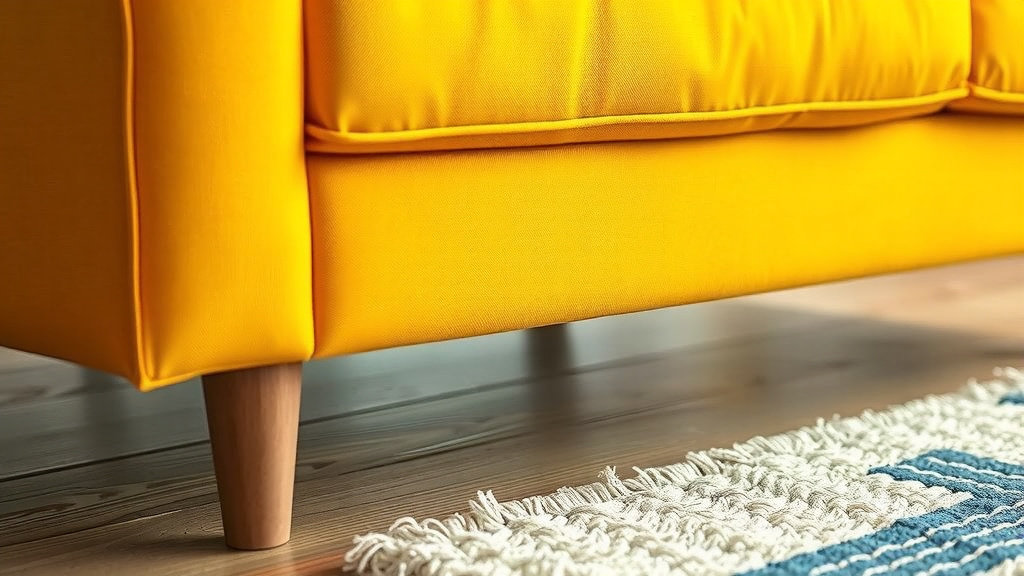
How to Choose Sofa Legs: Materials, Styles, and Fit Tips
The best way to choose sofa legs is to match them to your sofa’s weight, your floor type, and your room’s style. Wood legs suit most sofas and floors, metal legs handle heavier frames, and the right height keeps your seat comfortable. Pick wrong, and you’ll wobble every time you sit down (nobody wants that).
Legs might seem like a small detail, but they change how your sofa looks, feels, and lasts. The right set can make a dated couch feel modern, protect your hardwood floors, and even add extra storage space underneath. We researched what furniture makers and designers recommend, and it comes down to a handful of simple choices.
- Match the leg material to your sofa’s weight and your floor type.
- Pick the right height for comfort and style (usually 4 to 8 inches).
- Check the attachment type before buying replacements.
- Choose a shape and finish that fits your room’s look.
- Always check the weight rating for heavier sofas.
Below, we break down everything you need to know about choosing sofa legs, step by step, so you can pick with confidence.
Picking the Right Sofa Legs for Your Home
The right sofa legs depend on three things: what your sofa is made of, what your floors are made of, and how tall you want your seat to sit. Get those three right, and everything else falls into place.
Think of legs like shoes for your sofa. Sneakers work for running, boots work for snow, and loafers work for the office. Your sofa needs the right pair too.
Match the Material to Your Sofa’s Weight
Heavier sofas need stronger legs. It sounds obvious, but this is where most people go wrong when buying replacements.
- Hardwood legs (oak, maple, beech) handle most standard sofas just fine.
- Metal legs (steel, iron) are best for chunky sectionals and sleeper sofas.
- Plastic legs only work for lightweight loveseats and small accent chairs.
We found that many furniture makers rate their legs by weight capacity. Check the label or product page before you buy. A leg that holds 100 pounds per corner is plenty for most couches. A heavy sectional might need legs rated for 200 pounds or more.
Protect Your Floors With the Right Base
Your floor type matters just as much as your sofa’s weight.
Hardwood and Tile Floors
Bare metal legs can scratch hardwood like a fork on a nonstick pan. If you have wood or tile floors, look for legs with rubber or felt pads on the bottom. You can also buy stick-on furniture pads separately for a few dollars.
Carpeted Floors
Carpet is more forgiving, but skinny legs can sink in and make your sofa tilt. Wider bases or angled legs spread the weight better on plush carpet.
Get the Height Right for Comfort
Leg height changes how your body feels when you sit. Most sofa legs run between 4 and 8 inches tall.
Here’s a simple rule: your feet should rest flat on the floor when you sit, with your knees bent at about 90 degrees. Ergonomics researchers note that this position reduces strain on your hips and lower back (NIH). If your current seat feels too low or too high, swapping legs can fix it. For a fuller picture of sitting comfort, our guide to measuring sofa seat depth explains how depth shapes posture too.
| Leg Height | Best For | The Look |
|---|---|---|
| 2–4 inches | Low, cozy seating | Mid-century or grounded style |
| 4–6 inches | Most standard sofas | Classic and versatile |
| 6–8 inches | Rooms needing storage below | Airy, modern feel |
Taller legs also let your robot vacuum scoot underneath. That’s a real bonus if you hate moving furniture.
Checking How Legs Attach to Your Sofa
Before you order anything, flip your sofa over (or peek under the skirt) and look at how the legs connect. This one step saves you from a return shipment.
The Most Common Attachment Types
- Screw-in legs: They thread directly into a metal fitting inside the frame. Most common and easiest to swap.
- Bolt-on legs: A bolt passes through the leg into the frame. Sturdier for heavy sofas.
- Plate-mounted legs: The leg attaches to a flat plate with four screws. Very secure, slightly more work to install.
- Claw or glide feet: These push onto a metal pin. Quick to replace, but less common.
Measure the width of the screw thread if you’re replacing screw-in legs. Many experts say the 5/16-inch bolt is the most common size in US furniture, but older or imported sofas vary. When in doubt, take a photo and bring it to the store.
Choosing a Style That Fits Your Room
Legs are like eyebrows for your sofa. Small, but they set the whole mood.
Popular Leg Shapes and What They Say
Each shape sends a different message about your space.
- Tapered round legs: Mid-century modern. Warm, retro, and friendly.
- Square tapered legs: Clean and contemporary. Works with almost anything.
- Hairpin legs: Thin metal rods with an industrial, airy vibe.
- Bun feet: Rounded and traditional. Great for classic or farmhouse looks.
- Angled block legs: Sturdy and Scandinavian. Simple and calm.
Matching Finishes to Your Existing Decor
Pick a finish that talks to something else in the room. If your coffee table has walnut legs, match them. If your light fixtures are brushed brass, try brass or gold-toned legs. You don’t need an exact match — just a family resemblance.
Natural wood tones suit warm, cozy rooms. Black metal suits modern and industrial spaces. When you’re stuck, we found that designers often suggest matching your legs to your largest accent piece, not your smallest.

Your Sofa Leg Shopping Checklist
Before you click “buy,” run through this quick list:
- Weigh or estimate your sofa and check the leg’s weight rating.
- Identify your attachment type (screw-in, bolt-on, or plate).
- Measure the thread size on screw-in legs.
- Pick a height between 4 and 8 inches for comfortable sitting.
- Add felt or rubber pads if you have hard floors.
- Match the finish to furniture you already own.
Five minutes of checking beats a wobbly sofa every time. And hey, your future self — the one not crawling under the couch with a wrench — will thank you.
Conclusion
Choosing sofa legs comes down to a few smart checks. Match the material to your sofa’s weight, add pads for hard floors, and pick a height that keeps your feet flat when you sit. Then confirm the attachment type and thread size before ordering. Finally, choose a shape and finish that fits the room you already have.
It’s a small upgrade with a big payoff. A new set of legs can fix a wobbly frame, protect your floors, and give your couch a fresh look for less than the price of a new sofa.
Ready to start? Flip your sofa over, snap a photo of the attachment, and measure the thread. That photo is your shopping shortcut.
Frequently Asked Questions
Can I replace sofa legs myself, or should I hire a professional?
You can almost always do it yourself. Most screw-in legs swap out in minutes with a simple wrench or even your hands. Plate-mounted legs take a screwdriver and a bit of patience, but no special skills are needed.
Are all sofa legs the same size?
No, sizes vary between brands and styles. Heights typically range from 2 to 8 inches, and thread widths differ too. Always measure your current legs or check the manufacturer’s specs before buying replacements.
Why is my new sofa leg wobbly after installation?
A wobbly leg usually means a loose connection, a mismatched thread size, or an uneven floor. First, tighten the fitting fully. If it still rocks, check whether the leg threads match your sofa’s insert, and try shifting the sofa to a level spot.
Do taller legs make a sofa less stable?
They can, especially on plush carpet or with a heavy frame. Longer legs act like a longer lever, so any looseness becomes more noticeable. If you want extra height, choose thicker or metal legs and check the weight rating carefully.
How much weight can typical sofa legs hold?
Most quality legs hold 100 to 200 pounds per corner, though you should always verify the rating on the product page. A standard three-seat sofa spreads roughly 600 to 800 pounds across four legs. Sectionals and sleeper sofas need sturdier options.