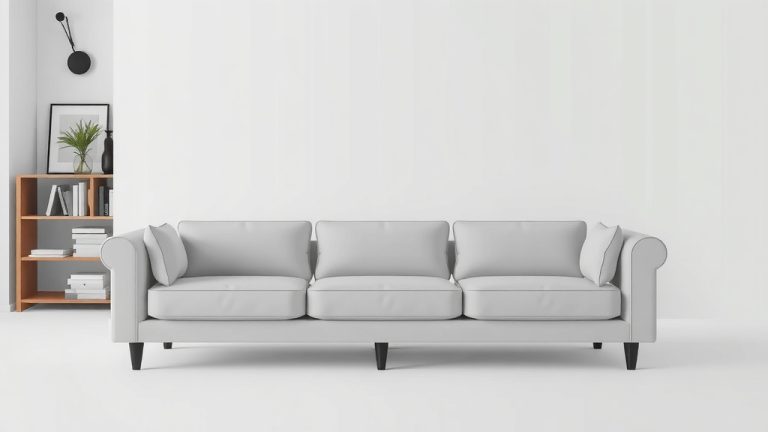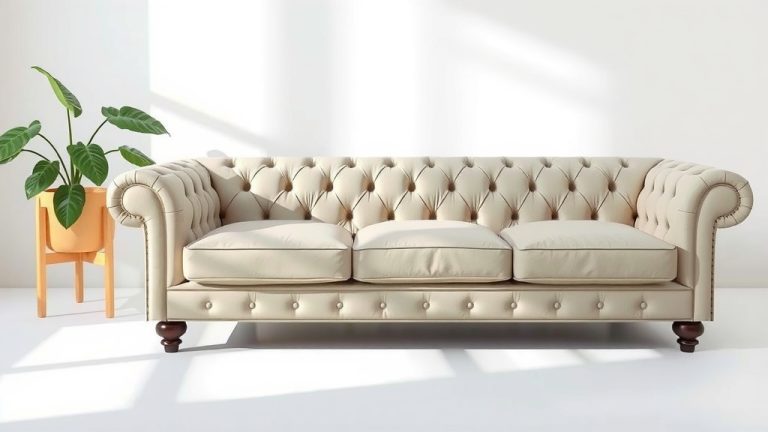
How to Choose Sofa Height: A Practical Guide for Any Room
Choosing sofa height comes down to seat height first: aim for 17 to 18 inches from the floor, which matches how most people sit down and stand up comfortably. Then, pick a back height between 30 and 36 inches depending on your style and support needs. Get those two numbers right, and your sofa will feel good every single day.
Why does it matter so much? Because the wrong height can leave you slouching, sinking, or struggling to get up, especially if you’re taller, shorter, or have achy knees. When we researched what furniture makers and interior designers recommend, we found a clear pattern: the best sofas fit the people who actually use them, not just the room.
- Seat height sweet spot: 17 to 18 inches for most adults.
- Standard back height runs 30 to 36 inches tall.
- Taller people (over 6 feet) need 18 to 19 inches of seat height.
- Lower seats (under 17 inches) look sleek but are harder to get out of.
- Always match sofa height to your tallest and shortest household members.
Below, we break down everything you need to know about choosing the right sofa height, step by step. Let’s find a sofa your back (and your knees) will thank you for.
Picking the Right Sofa Height for Your Home
Start with your body, not the room. The right sofa height is the one that lets your feet rest flat and your knees bend at about 90 degrees when you sit. Many ergonomics guides point to this posture as the gold standard for everyday sitting (Mayo Clinic).
Think of it like buying shoes. A gorgeous pair that pinches will live in your closet. A sofa that fights your knees will live in your guilt.
Why Seat Height Matters More Than Back Height
Seat height is where comfort lives or dies. It controls how easily you sit down and, more importantly, how easily you stand up. When researchers study chair design, seat height comes up again and again as the top factor in sitting comfort (NCBI).
Back height matters too, but it’s more forgiving. It shapes head and neck support and sets the visual mood of your room. You can live with a slightly low back. You cannot live with a seat that swallows you.
The Two-Measure Test
Before you shop, grab a tape measure and test your current seating. Sit on your kitchen chair and note where your knee crease falls from the floor. That number, usually 16 to 18 inches, is your personal target.
- Measure the distance from your knee crease to the floor.
- Look for a sofa seat within 1 inch of that number.
- Remember cushion sink: subtract 1 to 2 inches from the frame spec.
- Test in person whenever possible, ideally for 10 full minutes.
Standard Sofa Heights at a Glance
Most sofas cluster around a few common sizes. We found these ranges hold steady across major US retailers and furniture guides. Use the table as a starting point, not a rulebook.
| Sofa Style | Seat Height | Back Height | Best For |
|---|---|---|---|
| Standard sofa | 17 to 18 in | 30 to 36 in | Most adults and most rooms |
| Low-profile / mid-century | 15 to 16 in | 28 to 32 in | Flexible sitters, open spaces |
| High-back sofa | 18 to 19 in | 38 to 42 in | Tall people, nappers, lofts |
| Loveseat or apartment sofa | 17 to 18 in | 30 to 33 in | Small rooms and tight doorways |
| Lift or assisted-seat sofa | 19 to 21 in | 32 to 38 in | Anyone with knee or hip pain |
Matching Sofa Height to Your Body
Your height changes the math. A seat that feels cozy to a 5-foot-2 sitter can feel like a playground slide to someone 6-foot-4. Furniture experts often suggest buying for the household’s extremes, then adjusting with cushions.
If You’re Taller Than Average
Taller sitters should look for 18 to 19 inches of seat height. Anything lower forces your knees above your hips, which strains the lower back over time. Many physical therapy resources flag that hip-below-knee posture as a common back-pain trigger (Cleveland Clinic).
Also check seat depth while you’re at it. Tall bodies need 22 inches or more front to back. A tall person on a shallow, low sofa is a lanky pretzel. We’ve all seen it at a party. Maybe we’ve been that pretzel.
If You’re Shorter or Have Joint Pain
If you’re under 5-foot-4, aim for 16 to 17 inches of seat height. Your feet should touch the floor without dangling. Dangling feet cut off circulation and turn a movie night into a leg-swinging workout.
For anyone with arthritis or knee trouble, higher is kinder. The CDC notes that arthritis affects roughly one in four US adults, and low seats are one of the biggest daily hurdles they report. A firmer cushion and a seat at 18 inches or above can make standing up painless instead of a two-act drama.
How Your Room and Style Change the Height You Need
Comfort sets the floor of your decision. Style and space set the ceiling. Here’s where the two meet.
Low-Profile Sofas and Small Spaces
Low sofas (15 to 16 inches) make rooms feel open and airy. They suit casual loungers who sit cross-legged or sprawl. The trade-off is real, though: getting up takes more effort, especially from soft cushions.
If you love the low look but hate the struggle, pick a firm, high-resilience foam cushion. It sinks less, which keeps the effective seat height closer to the spec sheet.
High-Back Sofas and Statement Rooms
High backs (38 inches and up) offer full head and neck support, which many experts recommend for people who nap upright or deal with neck stiffness. They also anchor large rooms and tall ceilings beautifully.
One caution: a 42-inch sofa back can block sightlines in an open floor plan. Sketch the room, or even tape the footprint on the floor, before you commit.
Ceiling Height Plays a Role Too
In rooms with ceilings under 8 feet, oversized sofa backs can feel heavy. Designers we reviewed tend to balance a tall sofa with lower side tables or open-leg bases. Contrast keeps the space from feeling stuffy.
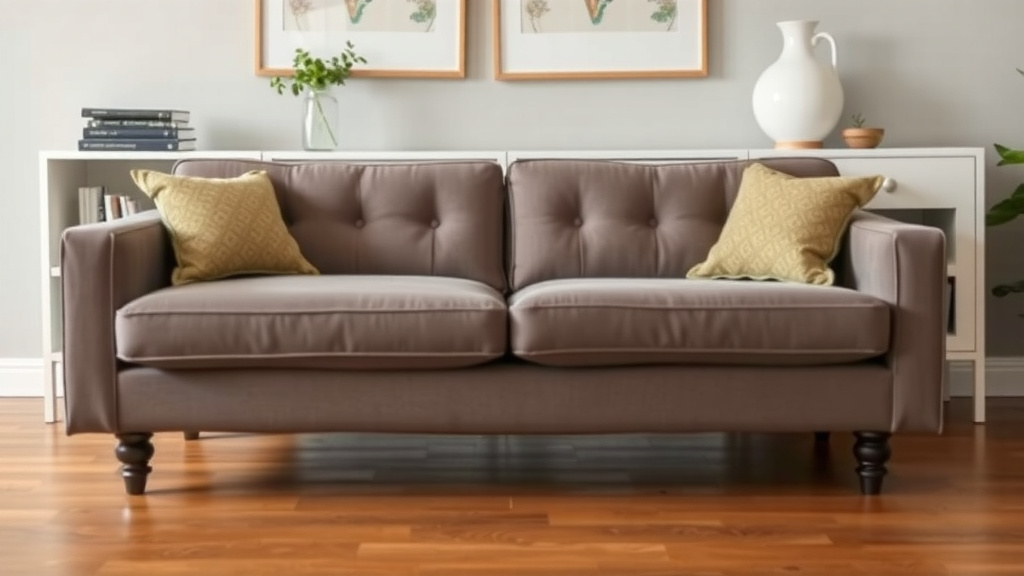
Your Sofa Height Checklist
Before you click buy, run through this quick list. It takes five minutes and saves months of regret.
- Measure your knee crease from the floor while seated on a comfortable chair.
- Check the spec sheet for seat height, then subtract 1 to 2 inches for cushion sink.
- Sit for 10 minutes in store, and stand up three times to test the exit.
- Buy for the shortest sitter in your home, then add a firm cushion for taller folks.
- Match back height to your habits: upright readers want support, loungers want low and slouchy.
- Measure doorways and hallways so your dream height actually makes it inside the house.
Conclusion
Choosing the right sofa height boils down to two numbers: a seat height of 17 to 18 inches and a back height of 30 to 36 inches for most households. Adjust those numbers for the tallest and shortest people in your home, and account for cushion sink before you commit. We found that people who test their seating for a full 10 minutes rarely regret their purchase. So here’s your next step: grab a tape measure, sit on a chair you love, and find your knee-crease number today. Bring it shopping with you, and you’ll never guess at sofa height again.
Frequently Asked Questions
Does sofa seat height include the cushions?
Usually not. Most manufacturers list the frame height without cushions compressed, so your real sitting height will be 1 to 2 inches lower. If the specs don’t clarify, ask the retailer directly before ordering.
What is a good sofa height for elderly family members?
Aim for a seat that sits at 19 to 21 inches when loaded. That extra lift takes pressure off knees and hips when standing up. Firm cushions and sturdy arms to push off from make a big difference too.
Can I raise or lower the seat height of a sofa I already own?
You can, within limits. Adding solid legs or a sturdy riser platform lifts a sofa by a few inches safely. Lowering one is trickier, and removing casters or swapping legs only buys you an inch or two. If your seat still lands too low, our guide to raising sofa height safely covers simple fixes.
Is a deeper seat better than a higher seat?
They solve different problems. Height helps you sit down and stand up with ease, while depth decides whether you can lounge or need to perch. Tall sitters often need both: extra depth and a slightly higher seat.
How do I know if a sofa seat is too high for me?
Sit down and check your feet. If your toes barely brush the floor or your legs dangle, the seat is too tall. Over time, that position strains the backs of your knees and makes long evenings uncomfortable.